How Language Is Changing Today

How Language Is Changing Today

Sorry, but lessons on The Blue Tree work only on a computer or a tablet.

Bardzo mi przykro, ale lekcje na platformie The Blue Tree działają jedynie na komputerze lub tablecie.

Do zobaczenia na większym ekranie 🙂

Zespół The Blue Tree

How Language Is Changing Today
Learn more words

THE BLUE TREE

Better
Communicator

CEF B1

CEFR B1

Intermediate

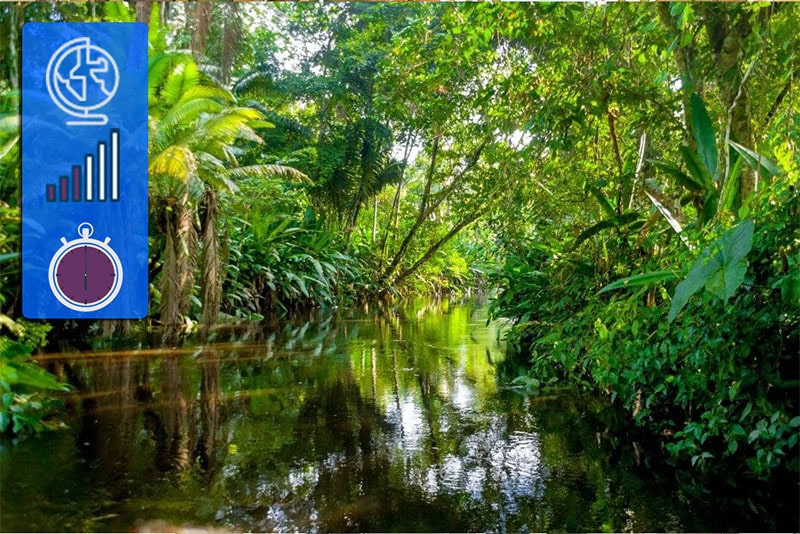
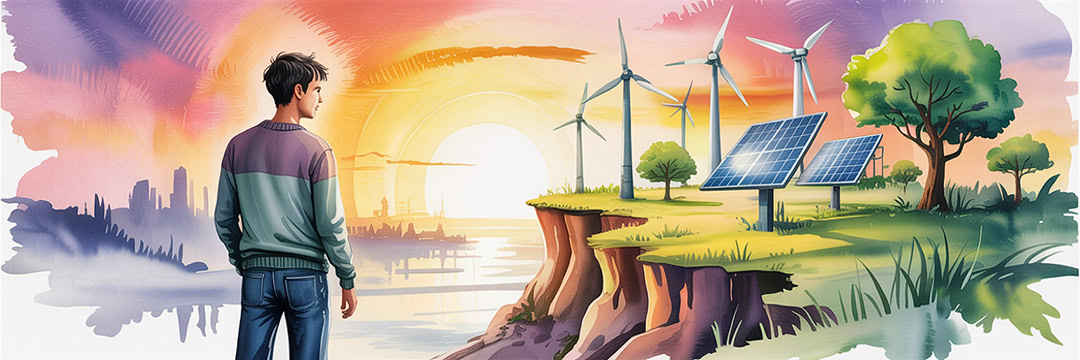
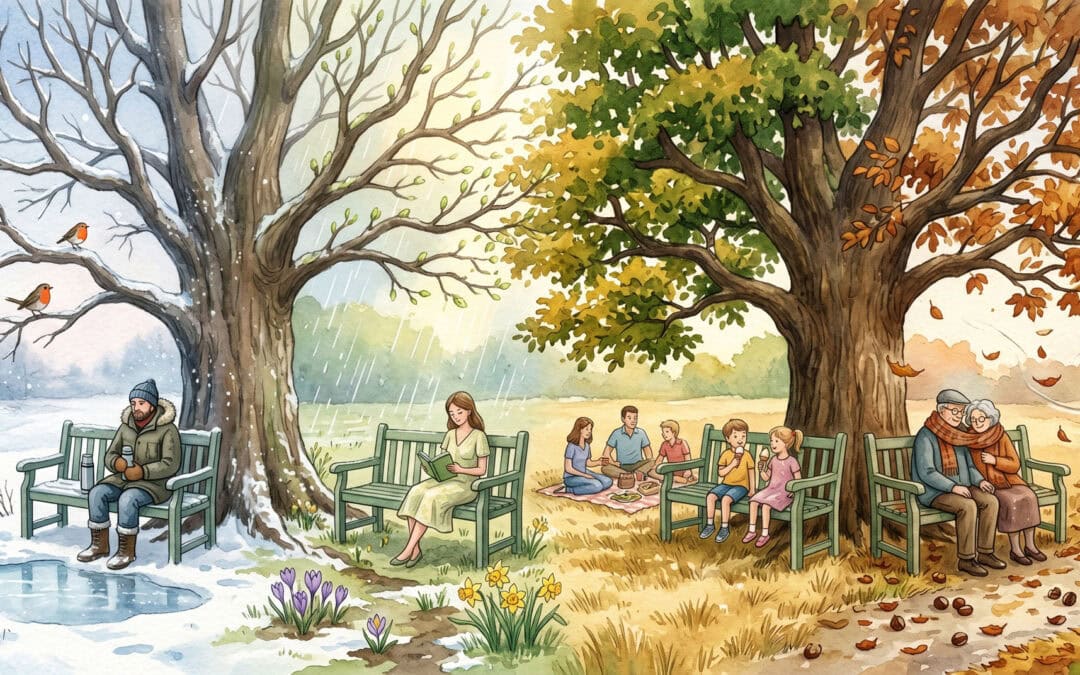
Practise speaking by describing this image

warm up

Answer the questions below. Listen to model answers and read the transcript to get some more practice in conversational English.

TRANSCRIPT

Language probably changes faster today because communication itself has changed. In the past, new words spread slowly through books or formal channels, but now a word can travel across the world in a single day. Social media, streaming, and global content seem to accelerate everything. From an analytical perspective, the more connected we are, the faster anything spreads — including expressions, jokes, and ways of speaking.

TRANSCRIPT

I find this fascinating, because young people often experiment with language in really creative ways. They shorten words, mix meanings, and turn jokes into expressions everyone starts using. Online culture gives them a huge platform — a single video can introduce a new word to millions overnight. I think it shows that language belongs to people who actually use it, not just to dictionaries or grammar books.

TRANSCRIPT

I think the words that survive usually fill a real gap in communication. If an expression captures something useful that older words don’t quite express, people keep using it naturally. Words that are too tied to a specific trend or moment tend to fade quickly because the context disappears with them. In a way, language has its own quiet selection process — the most useful expressions simply last longer.

part one

READING

Read an article about ten new words. How many of them did you know before?

🌍 How Language Is Changing Today

Language is never still. It moves, grows, and adapts to the world around us. In the past, new words came slowly, often from books, science, or formal communication. Today, things are different. Social media, music, and online culture create and spread new words almost overnight. Young people especially enjoy playing with language, shortening words, and giving old words new meanings. Some of these expressions may sound strange at first, but they quickly become part of everyday English. Let’s look at some popular modern words and see where they come from and how people use them.

Question: According to the introduction, how has the way new words appear and spread changed compared with the past?

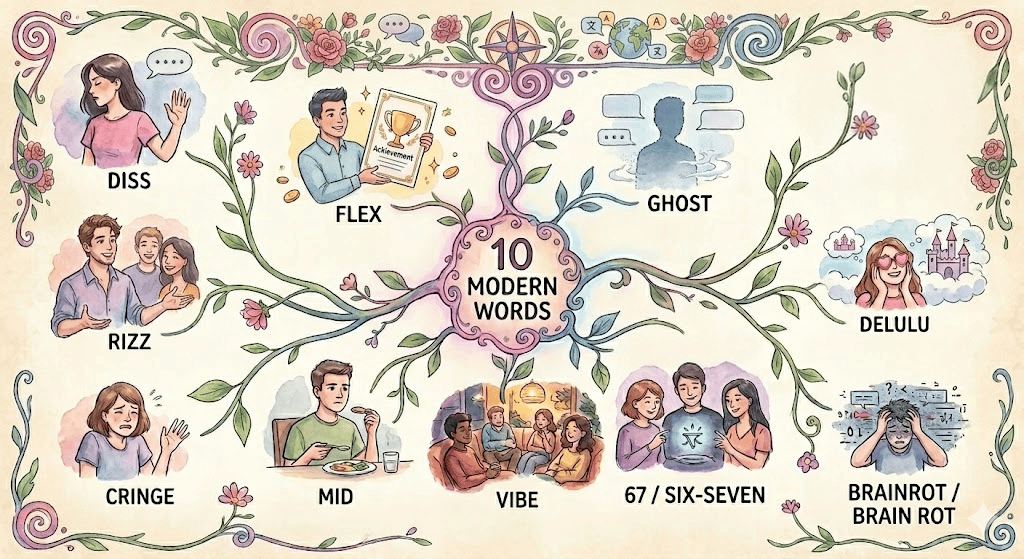
1. Diss

The word “diss” comes from “disrespect.” It started in African American communities and became popular through hip-hop culture in the 1980s and 1990s. In rap music, artists often “dissed” each other in songs to show dominance or express anger. Today, the word is used more generally.

Meaning: to insult someone or show a lack of respect

Dialogue:
– Did you hear what Tom said about your presentation?
– Yeah… I think he was trying to diss me in front of everyone.

Question: Where did the word “diss” originate, and how did it become widely known?

2. Rizz

The word “rizz” is a shortened form of “charisma.” It became popular thanks to internet personalities and streamers, especially young creators online. It spread quickly through platforms like TikTok.

Meaning: natural charm, especially in romantic situations

Dialogue:
– How did he get her number so easily?
– I don’t know, he’s just got rizz, I guess.

Question: Who helped make the word “rizz” popular, and on which platform did it spread most quickly?

3. Ghost

The word “ghost” is not new, but its modern meaning is. Traditionally, a ghost is a spirit. However, in digital communication, it took on a new sense.

Meaning: to suddenly stop replying to messages without explanation

Dialogue:
– Are you still talking to Anna?
– No, she just ghosted me last week.

Question: How has the meaning of “ghost” changed in the context of digital communication?

4. Flex

Originally, “flex” meant to bend a muscle. In hip-hop culture, it began to mean showing strength or success. Over time, the meaning changed again.

Meaning: to show off something, often in a proud or exaggerated way

Dialogue:
– Why did he post that photo with his new car?
– He’s just flexing, nothing more.

Question: How has the meaning of “flex” developed from its original sense to the way it is used today?

5. Cringe

The word “cringe” has existed for a long time and originally meant to move back in fear or embarrassment. Online culture gave it a stronger emotional meaning.

Meaning: something very embarrassing or awkward

Dialogue:
– Did you see his dance video?
– Yeah… it was kind of cringe, to be honest.

Question: How did online culture change the meaning of the word “cringe”?

6. Mid

The word “mid” comes from “middle.” It became popular online as a quick way to describe something that is neither good nor bad.

Meaning: average, not very interesting or impressive

Dialogue:
– What did you think of the movie?
– It was mid. Not terrible, but not great either.

Question: Where does the word “mid” come from, and what kind of opinion does it usually express?

7. Vibe

The word “vibe” comes from “vibration.” In the past, it was used in music and spiritual contexts. Today, it is very common in everyday English.

Meaning: the general feeling or atmosphere of a person, place, or situation

Dialogue:
– Do you like this café?
– Yeah, I love the vibe here. It’s really relaxed.

Question: Where was the word “vibe” originally used, and how has its use changed over time?

8. 67 / Six-seven

The expression “67” is usually pronounced “six-seven.” It became popular online in 2025, especially on TikTok and Instagram Reels. It is connected with the rap song “Doot Doot (6 7)” by Skrilla, and also with basketball videos, especially because LaMelo Ball is 6 feet 7 inches tall. Later, young people started repeating it as a joke, often with a hand gesture.

Meaning: this is the difficult part — 67 does not have one clear meaning. It can be used as a funny reaction, an inside joke, or a way of saying something is “so-so,” “random,” or hard to explain. More than meaning something precise, it shows that someone knows the meme and belongs to the online moment.

Dialogue:
– What did you think of that new advert?
– Honestly? It was kind of 67.
– You mean strange but funny?
– Exactly. I don’t even know if I liked it, but I’ll remember it.

Question: Where does the expression “67” come from, and why is its meaning hard to define?

9. Delulu

The word “delulu” comes from “delusional.” It became popular online, especially on TikTok, where people use it in a playful way. Originally, delusional is a serious word connected with believing things that are not true. However, delulu is usually softer, funnier, and less formal.

Meaning: to believe something unrealistic, often because it feels exciting, romantic, or comforting

Dialogue: – She liked one of his photos, and now he thinks they’re going to get married. – That’s a bit delulu, don’t you think? – Maybe, but at least he’s optimistic.

Question: How does the meaning of “delulu” differ from the original word “delusional”?

10. Brainrot / Brain rot

The expression “brainrot” combines the words “brain” and “rot.” It became popular in online culture as a humorous way to talk about spending too much time with low-quality internet content, especially short videos and memes. It suggests that too much scrolling can make someone’s mind feel tired, unfocused, or full of nonsense.

Meaning: a funny way to describe the negative effect of too much online content on attention, thinking, or taste

Dialogue: – I watched two hours of random videos about cats arguing with printers. – That sounds like pure brainrot. – I know, but I couldn’t stop watching.

Question: What does the word “brainrot” describe, and why has it become popular in online culture?

🌱 Final Thought

These words may seem informal or even strange at first, but they tell us something important. Language is not just a tool for communication—it reflects how people live, think, and connect with each other. When society changes, language changes with it. In a way, language is like the soul of society. It grows, adapts, and expresses the spirit of its time.

MODERN LANGUAGE IN USE

Read or role play this short dialogue. These people are using the words you have just learnt about.

– Did you see that influencer talking about climate change?
– Yeah, but honestly, it felt like he was just flexing his lifestyle, not really helping.

– Exactly. And when people disagreed, he kind of dissed them in the comments.
– That’s the problem. If you want people to listen, you need some rizz, not attitude.

– True. Also, I noticed he stopped replying after a while.
– Yeah, he basically ghosted the whole discussion.

– And the video itself?
– Hmm… the message was important, but the delivery was mid.

– I agree. Some parts were even a bit cringe.
– Yeah, especially that dramatic ending. It was almost delulu, like he thought one video would save the whole planet.

– And the comment section was full of brainrot. People were arguing with memes instead of facts.
– True. Someone even replied “67” under a serious comment, and nobody knew what it meant.

– Still, I think people care about the topic.
– Definitely. The vibe is changing. People want real action now.

DISCUSSION QUESTIONs

Discuss these questions.

1Many people believe that older generations resist new words while younger ones welcome them. Why might this difference between generations be so noticeable today?
2Slang often expresses complex ideas in a single short word. Does this make everyday communication clearer, or does something get lost along the way?
3Children today use words their parents have never heard before. Why does this kind of language gap appear so quickly within families?
4Some employers say slang has no place in professional communication, while others see it as a normal part of modern life. What’s best — keeping work language formal, or allowing it to evolve naturally?
5Advise a parent who feels confused or even excluded when their teenage children use slang at home.

part two

modern words quiz

Do this quiz.

Modern English Words - Instructions

This quiz has two parts.

On page 1, you will see short dialogues with one modern word missing — choose the word that best fits each gap.

On page 2, the dialogues are complete, and your task is to choose the option that best explains the meaning of the highlighted word. In every item, one answer is correct, one is clearly absurd, and two are possible but wrong. Read carefully and use the context to decide.

LEADERBOARD

LEADERBOARD CHART

Check your score on the leaderboard below. 

LEADERBOARD GRAPH

Have a look at the leaderboard graph below.

COMMENTS

Share your views and experience here.

How to talk about weather

How to talk about weather

Learn more words

HOW TO SAY IT

BOOK I

CEF B1

CEFR B1

Intermediate

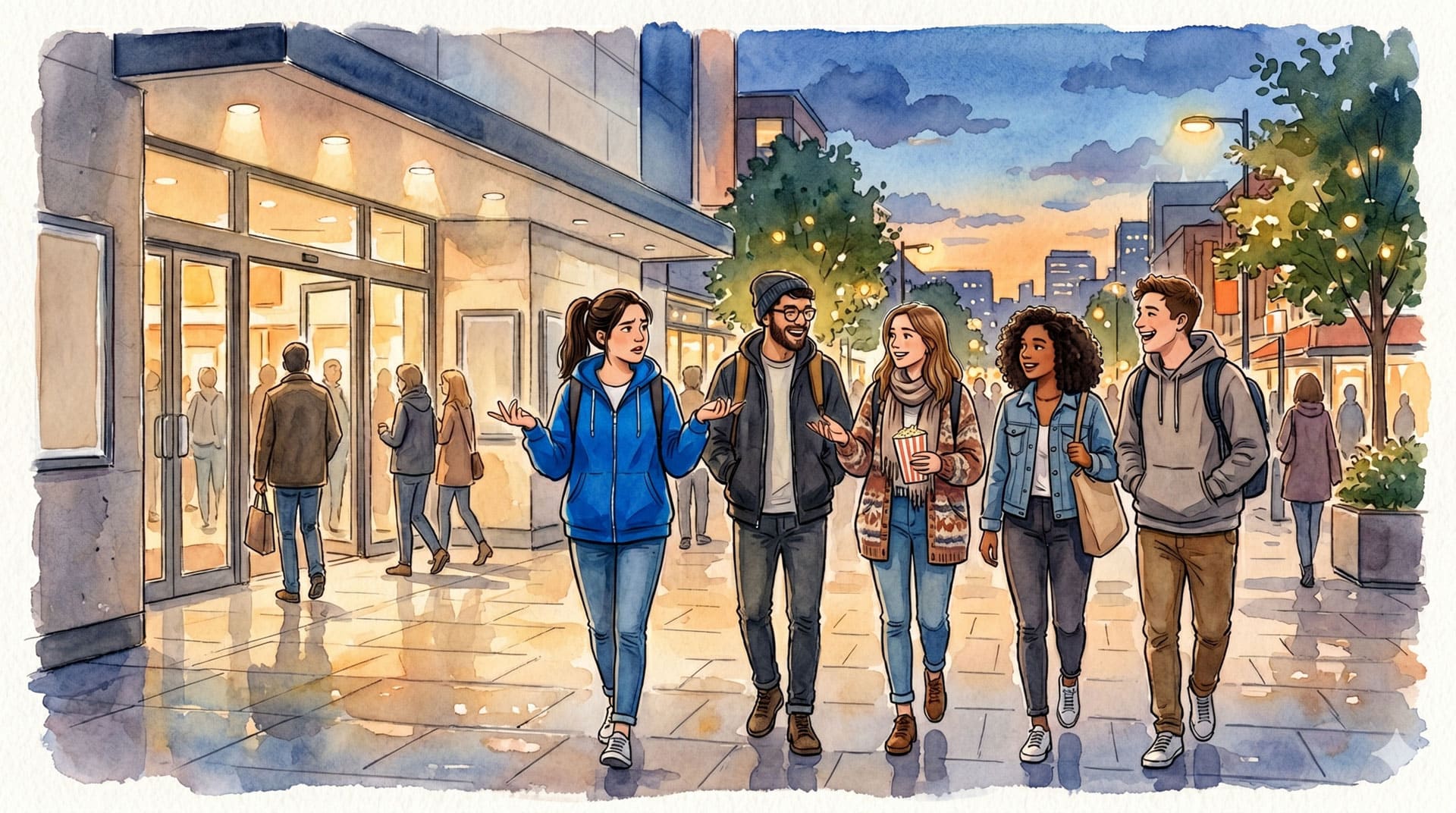
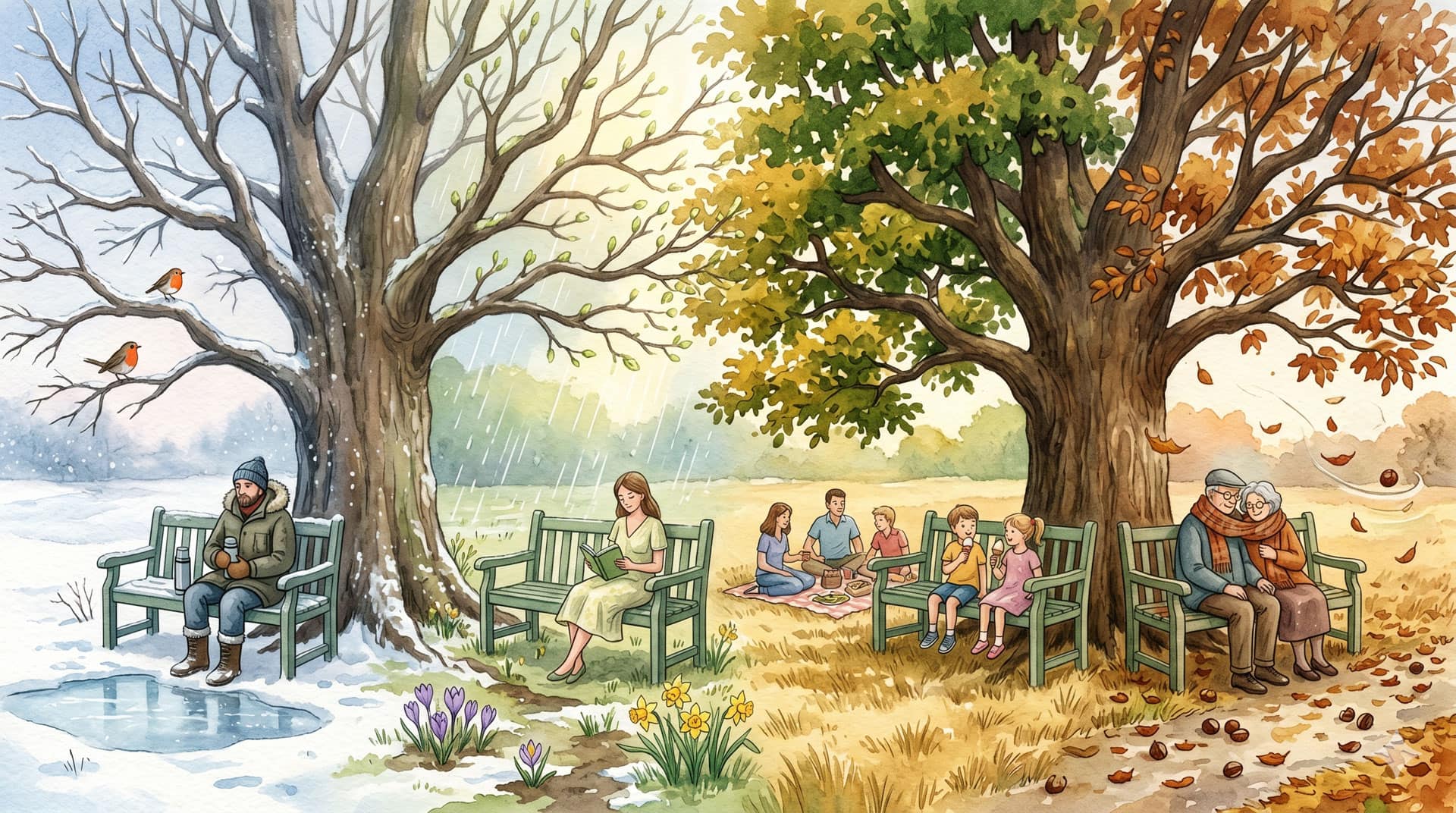
Practise English by describing this image

warm up

Answer the questions below. Listen to some model answers. Read the transcript.

TRANSCRIPT

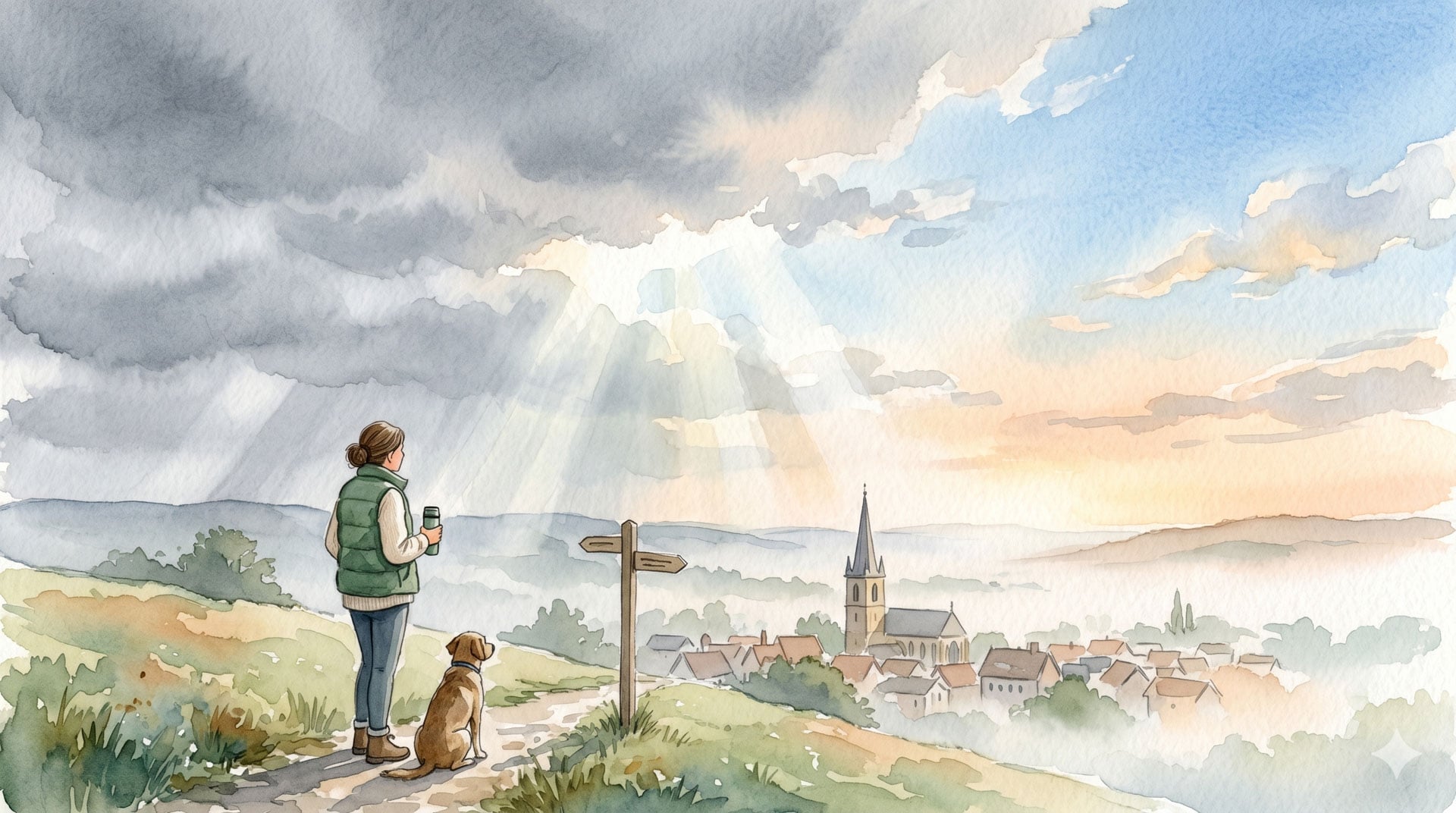
I’ve always found it fascinating how much the weather can change my mood. On a bright, sunny morning I feel so much more motivated and creative. But when it’s grey and dull for days, I really notice my energy dropping. I think it’s partly biological — something about sunlight and the way our brains work. Personally, I need at least a bit of sunshine to feel like myself. A long spell of bad weather honestly makes everything feel harder.

The Earth offers a variety of different climate zones. Which one do you prefer and why?
TRANSCRIPT

I grew up in Sweden, so I’m used to long, cold winters and short summers. But if I could choose, I think I’d prefer a Mediterranean climate — warm and dry in summer, mild in winter. Not scorching, just pleasant. What I really struggle with is muggy, humid weather. I’d rather have a crisp, cold morning than a sticky afternoon where you can’t breathe. I think the climate you grow up in shapes what feels comfortable to you.

Do you believe people will learn to accurately forecast or even control the weather in the future?
TRANSCRIPT

Forecasting has already improved enormously — a five-day outlook today is more accurate than a one-day forecast was thirty years ago. But controlling the weather? That’s a completely different question. Nature is incredibly complex, and I think there are good reasons to be cautious about trying to control systems we don’t fully understand. Sometimes the wisest approach is to learn to adapt rather than to control. We could probably do with a bit more humility when it comes to nature.

part one

MIND-MAP

Study the language on the mind-map.

part two

Sarah’s weekend update

Read (and listen to) this short comment about the weather. Move your mouse to check the meaning of some words and expressions.

So the wedding is on Saturday, and I’ve been checking the forecast obsessively all week. 1. The outlook isn’t great, to be honest. They’re saying it’ll be 2. overcast in the morning with a chance of intermittent showers, but apparently it should 3. brighten up by early afternoon. I really hope so, because the ceremony is outside and there’s no backup plan. The good news is it won’t be too cold — they’re saying 4. mild for the time of year, around fifteen degrees. But knowing our luck, it’ll probably start 5. bucketing down right in the middle of the vows. I’ve packed a nice dress and a waterproof jacket, just in case. We 6. could really do with some sun for once. Fingers crossed it 7. clears up in time.

prognoza / perspektywa pogodowa

2. całkowite zachmurzenie

3. przejaśniać się / rozchmurzać się

4. łagodny (o temperaturze)

5. lać jak z cebra (potocznie)

6. bardzo przydałoby nam się trochę słońca

7. wypogadza się / przejaśnia się

Tom’s holiday story

Do the same with this story.

You won’t believe the weather we had on this cycling trip. The first two days out of Salzburg were absolutely 8. glorious9. clear skies, not a cloud in sight. But then, crossing the Alps, it suddenly 10. took a turn for the worse. We got caught in a massive 11. downpour coming down from the pass — I was completely 12. soaking wet within minutes. We had to stop at a mountain hut and wait for it to 13. let up. Then the last three days into Grado were just perfect — 14. scorching sun, 15. dry heat, proper Mediterranean weather. Honestly, by the time we reached the coast I was 16. drenched in sweat every day by noon. But I’d take that over cycling in the rain any time.

8. wspaniały / zachwycający

9. czyste / bezchmurne niebo

10. pogorszyć się (o pogodzie)

11. ulewa

12. przemoczony do suchej nitki

13. zelżeć / ustąpić (o deszczu)

14. skwarny / upalny

15. suche gorąco

16. zlany potem

Weather report

Now read and listen to this weather report. Notice all the weather words and expressions.

Good evening. If you’re planning to head outdoors this weekend, you may want to think again. A 17. severe weather warning has been issued for most of the south-east, with 18. gale-force winds and 19. torrential rain expected from Friday night through to Sunday morning. Temperatures are set to drop sharply — forecasters are warning of a 20. cold snap, with 21. sub-zero temperatures overnight and a significant 22. wind chill making it feel even colder. There’s also a risk of 23. flash flooding in low-lying areas, so residents are strongly advised to 24. take shelter and avoid unnecessary travel. The 25. unsettled weather should clear up by Monday, with a 26. spell of much calmer conditions on the way. We’ll keep you updated as the situation develops. Stay safe out there.

17. ostrzeżenie przed groźnymi warunkami

18. wiatry o sile wichury

19. ulewny deszcz

20. nagłe ochłodzenie

21. temperatury poniżej zera

22. temperatura odczuwalna (z wiatrem)

23. nagła powódź

24. schronić się, ukryć się (w schronie)

25. nieprzewidywalna pogoda

26. okres (dobrej/złej pogody)

TRUE/FALSE

Decide if the statements below are TRUE or FALSE according to these three texts.

True or False? ✅❌

Read each statement carefully and decide — is it true or false? The answers are hiding in the three texts you've just read. Pay close attention to the weather expressions — they hold the key!

1. Sarah says the weather forecast for the wedding looks promising.
2. According to Sarah, the weather is expected to improve in the afternoon.
3. Sarah is worried it might snow during the ceremony.

4. Tom had bad weather for the first part of his trip out of Salzburg.
5. Tom says the rain stopped quickly enough for them to continue cycling.
6. Tom found the heat near the Italian coast more bearable than the rain in the mountains.

7. The weather warning applies to the entire country.
8. The report suggests that the actual temperature will feel even lower because of the wind.
9. Forecasters expect the bad weather to continue well into the following week.

part three

LISTENING

Listen to some people commenting on weather. What are the missing words?
Check the HINT if you need a little help. 

How to Talk about Weather — Listening & Gap-Fill 🎧

You'll hear 12 short sentences about the weather. In each one, some words are missing — between one and three gaps per sentence.

Listen carefully and fill in the missing words with the collocations, expressions, and idioms you've learned from the mind-map. You might need to listen more than once — that's fine!

Tip: think about what sounds natural, not just what fits grammatically. Weather English loves its fixed phrases.

Ready? Press play when you're set. ☁️

1.


It was absolutely when we left the cinema, so by the time we reached the car park we were completely .

2.


The forecast promised in the afternoon, but instead we got an unexpected  that ruined the company picnic.

3.
4


It feels very today, doesn't it? I wouldn't be surprised if we get a before the evening.

5.


Sarah called in sick again — she's been feeling a bit  for the past few days, apparently.

6.
7.


I'm sorry I can't come out tonight — I'm completely  with work and I still have three reports to finish.

8.


Well done! You're almost there!

11.


The argument about the office coffee machine turned out to be just a  — nobody even mentioned it by Friday.

LEADERBOARD

Check how your score compares with other players.

RankUserCorrect Score
1None66
2None41
3None0

PART FOUR

HOW TO TALK ABOUT WEATHER

Complete one more quiz on the topic of weather. 

How to Talk about Weather — B2 Quiz 🌦️

Twenty short conversations, one gap in each, four options to choose from. Sounds easy? Not quite.

All four options are real weather words — but only one sounds natural in the situation. You're not hunting for "any weather word." You're hunting for the right one.

Read the whole conversation, trust your ear, and if you've heard it used before — it's probably your answer.

Good luck!

1.

Anna: How was your holiday in Spain?
Beata: Amazing, but the heat was something else. It was absolutely _________ — we couldn't even leave the hotel before six in the evening.

2.

Tom: Fancy a walk along the coast?
Sam: In this weather? It's _________ a gale out there — I'd rather stay in.

3.

Kate: Did you manage to finish the garden party?
Paul: No way. We got caught in a proper _________ — everyone was soaked within seconds.

4.

Marta: I haven't seen Eva in the office all week.
Luke: She's been feeling a bit _________ the weather, apparently. Some kind of flu.

5.

Helen: I'm putting aside fifty pounds a month from now on.
Jack: Good idea. You should always save for a _________ day.

6.

Mike: Sorry I can't come to lunch today.
Clara: Let me guess — _________ under again?

7.

Ola: Losing that contract was a disaster.
Mark: Maybe, but every cloud has a _________ lining — it freed us up for the bigger project.

8.

Ben: Shall we sit outside?
Jen: Let's not — it feels really _________ today. I think a storm's coming.

9.

Forecaster: Tomorrow we can expect _________ weather, with rain, wind, and occasional sunshine throughout the day.
Viewer (to partner): Great. So basically anything could happen.

10.

Zoe: You look lost in thought.
Dan: Sorry, I had my _________ in the clouds for a moment. What did you say?

11.

Chris: Did it snow where you are?
Eve: It did, but it was too warm for it to _________ — all gone by lunchtime.

12.

Lisa: Honestly, the argument about the logo was ridiculous.
Greg: I know. A complete storm in a _________ if you ask me.

13.

Grandad: Put a hat on before you go out!
Grandson: I'm fine, really.
Grandad: Don't be silly — _________ up warm, it's freezing.

14.

Tim: Is Mark coming to help us move house?
Jo: Of course not. He's a _________ friend — only around when things are easy.

15.

News reader: The Met Office has issued a _________ weather warning for the entire south coast.
Viewer: Right, I'm cancelling my train tickets.

16.

Eva: How was your week at work?
Pat: Terrible. First my laptop broke, then I lost my phone, and now my car won't start. It never rains but it _________.

17.

Hiker 1: The weather's really turning.
Hiker 2: Yeah, we should _________ shelter before the lightning gets closer.


Well done! You're almost there!

18.

Marek: How's your mum after the operation?
Ewa: Much better, thanks. She's as right as _________ now.

19.

Forecaster: After a cloudy morning, we should see some _________ spells developing in the afternoon.
Listener: Finally — I might actually hang out the washing.

20.

Ania: The temperature dropped ten degrees overnight!
Kuba: I know — nobody was expecting such a sudden _________ snap this early in autumn.

LEADERBOARD

Check how your score compares with other players.

PART FOUR

PRODUCTION

Select one or more of the questions below and write your answer to it. Use the language from this lesson. 

Submit your answers in the comments.

1Think about the best holiday you’ve ever had. What was the weather like, and how did it affect your experience?
2Describe the worst weather you’ve ever been caught in. What happened, and what did you do?
3What is a typical autumn or winter day like where you live? Describe it as if you were explaining it to someone who has never visited your country.
4Have you ever had an important event — a wedding, a concert, a trip — ruined or saved by the weather? Tell the story.
5If you could live anywhere in the world based purely on the climate, where would you choose and why?

COMMENTS

Share with us what your worse mistake was and what led to it. What did you learn from it?

Naśladuj najlepszych — ćwicz wymowę z ElevenLabs

Naśladuj najlepszych — ćwicz wymowę z ElevenLabs

Naśladuj najlepszych — ćwicz wymowę z ElevenLabs

Nowe fiszki na TBT mówią ludzkim głosem. Ćwicz wymowę, naśladuj najlepszych i poczuj język, zamiast tylko się go uczyć.

TBT - Naśladuj najlepszych - ćwicz wymowę z ElevenLabs

Są takie momenty w nauce języka, kiedy coś nagle „kliknie”.
Nie dlatego, że poznaliśmy nowe słowo.
Tylko dlatego, że usłyszeliśmy je dobrze.

Tak, żeby naprawdę je poczuć.

Dlatego bardzo się cieszę z nowej funkcji na The Blue Tree.
Fiszki dostały głos. I to nie byle jaki.

To już nie jest ten charakterystyczny, lekko metaliczny ton, który wielu z nas kojarzy się z dawnymi syntezatorami mowy — trochę jak głos Stephen Hawking.
Dziś brzmi to zupełnie inaczej.

Bardziej naturalnie.
Bardziej ludzko.

Słowa, wyrażenia, idiomy… ożywają.
Zaczynają funkcjonować tak, jak powinny — w rytmie prawdziwego języka.

Ostatnio czytałem o kobiecie, która została poliglotką z bardzo prostego powodu: kochała słuchać ludzkiego głosu.

Zatrzymałem się przy tej myśli.

Bo coś w tym jest.

Język to nie tylko struktura.
Nie tylko zasady.
To dźwięk. Melodia. Intonacja. Pauza.

To wszystko, czego nie zobaczymy w tekście.

I może właśnie dlatego tak dużo pracy włożyłem w to, żeby na TBT pojawił się głos, który nie będzie tylko dodatkiem, ale realnym wsparciem w nauce.

Jak z tego korzystać?

Zrób lekcję.
Wejdź w fiszki.
Kliknij i… posłuchaj.

A potem spróbuj powtórzyć.

Not perfectly.
But consciously.

Naśladuj.
Zwróć uwagę na akcent.
Na rytm zdania.
Na to, gdzie pojawia się pauza.

To mały krok.
Ale bardzo konkretny.

Mam nadzieję, że ta funkcja zrobi coś więcej niż tylko „ułatwi naukę”.

Że pomoże polubić brzmienie języka angielskiego.
A może nawet — trochę się w nim zakochać.

Bo kiedy zaczynamy lubić to, co słyszymy…
dużo łatwiej jest wracać do nauki.

I robić kolejny krok.

Już trochę pewniej.
Już trochę naturalniej.

Obudź w sobie wojownika – o rywalizacji w nauce języka

Obudź w sobie wojownika – o rywalizacji w nauce języka

Obudź w sobie wojownika – o rywalizacji w nauce języka

Zbieranie certyfikatów to nie tylko miły dodatek — to mechanizm, który naprawdę zwiększa zaangażowanie w naukę. Sprawdź, jak działa rywalizacja na TBT i dlaczego warto grać o swoje postępy.

Obudź w sobie wojownika - o rywalizacji w nauce języka

Rywalizacja w nauce? Brzmi trochę jak szkolny wyścig, ale w praktyce… może działać zaskakująco dobrze.

Na The Blue Tree dorzuciliśmy właśnie coś, co to pokazuje bardzo konkretnie. Testy i quizy, które — jeśli zdasz na co najmniej 60% — nagradzają Cię certyfikatem. Takim jak ten powyżej. Mała rzecz. A jednak nie do końca mała.

Bo nagle coś się zmienia.

Nie robisz już tylko lekcji. Zbierasz dowody. Trofea. Małe „I did it”, które zostają z Tobą na dłużej. I które — trochę niepostrzeżenie — budują coś ważniejszego: wewnętrzną pamięć sprawczości.

Zresztą, to nie jest nowy pomysł.

W Europejskim Paszporcie Językowym jest specjalna sekcja: dossier. Miejsce na certyfikaty, dyplomy, potwierdzenia postępów. Ktoś już dawno zauważył, że lubimy widzieć efekty swojej pracy. I że takie „ślady drogi” mają znaczenie.

Na TBT dokładamy do tego jeszcze jeden element: lekką rywalizację.

Leaderboard. Wyniki. Chęć, żeby następnym razem było trochę lepiej. Może szybciej. Może dokładniej. Może o kilka procent więcej.

I to jest ten moment, w którym nauka przestaje być obowiązkiem, a zaczyna być… grą.

Nie o wszystko. Nie za wszelką cenę.
Ale na tyle, żeby chciało się wrócić jutro i spróbować jeszcze raz.
Zrób lekcję.
Zdaj test.
Zbierz certyfikat.

A potem zerknij na swoją historię nauki w dashboardzie.

I zobacz, jak rośnie.

Twoja historia nauki – pisz ją sam

Twoja historia nauki – pisz ją sam

Historia Nauki – piszą ją sam

Systematyczność nie musi być skomplikowana. Nowa funkcja historii nauki w The Blue Tree pozwala śledzić swoje postępy dzień po dniu — a to pierwszy krok do zbudowania trwałego nawyku uczenia się.

The Blue Tree - Blog - Four secrets of language learning

Od dziś na The Blue Tree pojawia się coś, co na pierwszy rzut oka wygląda niepozornie, ale może naprawdę dużo zmienić w sposobie, w jaki się uczysz.

Możesz zapisywać swoje lekcje w historii nauki.

Jak to działa? Bardzo prosto. Robisz lekcję. Dodajesz ją do zrobionych lekcji. A potem wchodzisz do swojego dashboardu i widzisz swoją historię — dzień po dniu. Najedziesz myszką na obrazek i od razu widzisz, jaką lekcję zrobiłeś. Niby drobiazg, ale właśnie takie drobiazgi zaczynają budować większą całość.

Bo nagle nauka przestaje być czymś „gdzieś tam w tle”, a zaczyna zostawiać ślad.

I tu wchodzi w grę coś, o czym pisze James Clear. W Atomic Habits pojawia się prosta, ale bardzo mocna idea: track what you do. Śledź swoje działania, bo to, co widzisz, zaczyna wpływać na to, co robisz dalej.

Kiedy widzisz kilka dni z rzędu — rośnie satysfakcja.
Kiedy pojawia się luka — pojawia się też lekka potrzeba, żeby do tego wrócić.

Bez presji. Bez wielkich deklaracji. Raczej spokojne: ok, wracam jutro.

Właśnie w ten sposób buduje się systematyczność. Nie przez zryw, tylko przez powtarzalność. Nie przez motywację, która przychodzi i znika, ale przez małe, widoczne kroki.

Ta nowa funkcjonalność jest trochę jak lustro. Pokazuje Ci nie to, co planujesz zrobić, tylko to, co naprawdę robisz. A to często jest najcenniejsza informacja.

Po kilku tygodniach możesz spojrzeć na swoją historię i zobaczyć coś więcej niż pojedyncze lekcje. Zobaczyć proces. Zobaczyć ciągłość. Zobaczyć siebie w działaniu.

I może wtedy pojawi się myśl, która jest dużo ważniejsza niż jakikolwiek pojedynczy dzień:

to już nie jest przypadek.
to jest nawyk.

A nawyki — jak wiemy — piszą nasze historie.