
What’s behind the Ozempic fad

What’s behind the Ozempic fad

Sorry, but lessons on The Blue Tree work only on a computer or a tablet.

Bardzo mi przykro, ale lekcje na platformie The Blue Tree działają jedynie na komputerze lub tablecie.

Do zobaczenia na większym ekranie 🙂

Zespół The Blue Tree

What’s behind the Ozempic fad
Learn more words

THE BLUE TREE

Health & Fitness

CEF B1

CEFR B2

Upper
Intermediate

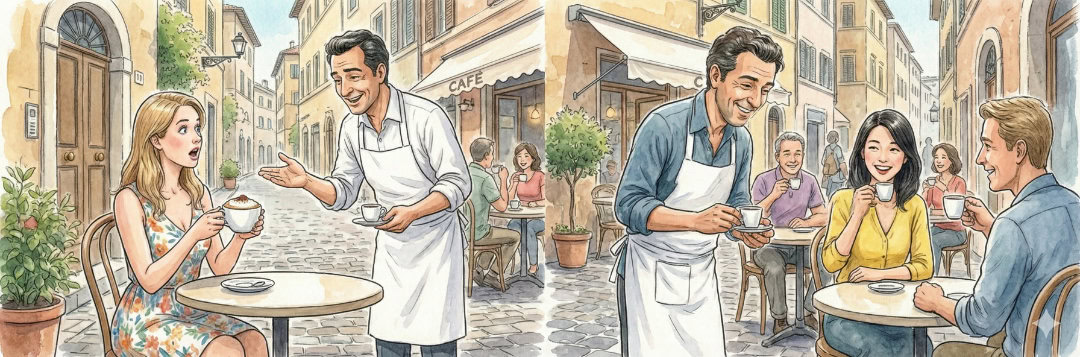
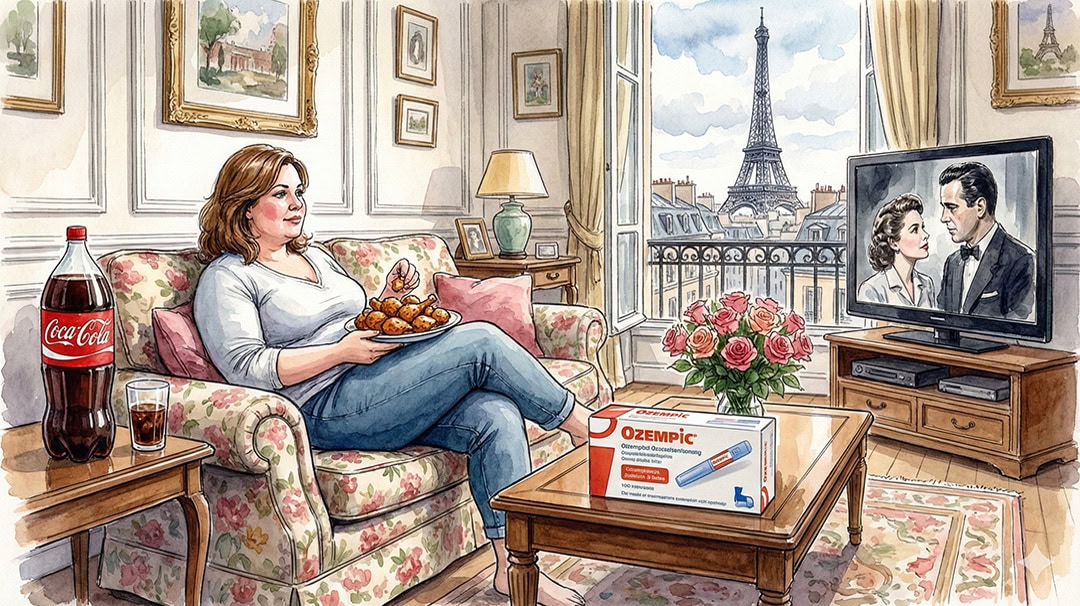
Practise speaking by describing this picture

warm up

Answer these questions. Listen to some model answers. Report back what you heard or report it back to your teacher.

TRANSCRIPT

Yes, I think so. When something becomes a craze, people often forget to look at the risks. We should take these trends with a grain of salt because we don’t always know the knock-on effects. For me, new treatments can be a double-edged sword — they might help, but they can also cause problems we don’t see at first.

TRANSCRIPT

A bit, yes. Sometimes the risks are intricate and not easy to understand. If a product leads to inadequate nutrition or people buy it from sketchy websites, that’s a real danger. I think we should wait for more proof about the real efficacy of such things before we trust them completely.

Do you think people focus too much on quick solutions instead of healthy habits?
TRANSCRIPT

Definitely. Quick fixes often look attractive because they promise fast perks, but they can affect important parts of our health, like the GI tract or even the retina. And when there’s a big boom in popularity, people sometimes follow the trend without thinking. I prefer slow, steady habits, not changes that might snowball into bigger issues.

part one

KEY LANGUAGE

Go through the flashcards below. Make sure you understand all the words and expressions.

VIDEO

Watch the first part of the video.

COMPREHENSION

Answer these questions. Refer to the information from the video.

  • ⌚0:07 Under what brand names is semaglutide sold?
  • ⌚0:26 What are the main uses people give Ozempic (semaglutide)?
  • ⌚0:46 Why does the video describe semaglutide as a “double-edged sword”?
  • ⌚ 1:13 To which drug class does semaglutide belong?
  • ⌚1:37 How did Gila monsters help scientists create the drug semaglutide?
  • ⌚2:08 What hidden “knock-on” effects (beyond glucose control) does semaglutide have on the body?

part two

KEY LANGUAGE

Go through the flashcards before you watch the next part.

VIDEO

Watch the second part of the video.

COMPREHENSION

Answer these questions. Refer to the information from the video.

  • ⌚2:54 What substances does the video call “directing traffic,” and what does that mean?
  • ⌚3:19 What is semaglutide supposed to do?
  • ⌚3:50 How can semaglutide be especially useful for people with diabetes?
  • ⌚4:50 Why is constant medical supervision especially important for someone using semaglutide alongside other glucose-lowering drugs?

part three

KEY LANGUAGE

Go through the flashcards below. Make sure you understand all the words and expressions.

VIDEO

Watch the third part of the video.

COMPREHENSION

Answer these questions. Refer to the information from the video.

  • ⌚5:20 Which digestive organs are most affected by semaglutide?
  • ⌚5:45 What side effects do diabetics get more often?
  • ⌚6:21 Why should someone tell their doctor about semaglutide use before undergoing surgery?
  • ⌚6:34 What does the video mean by “Ozempic babies”?
  • ⌚6:56 How does semaglutide interact with other drugs, and can it affect their effectiveness?

part four

KEY LANGUAGE

Go through the flashcards below. Make sure you understand all the words and expressions.

VIDEO

Watch the fourth part of the video.

COMPREHENSION

Answer these questions. Refer to the information from the video.

  • ⌚7:56 What serious health problems can semaglutide help prevent?
  • ⌚8:42 How might semaglutide protect the body beyond lowering blood sugar and helping with weight?
  • ⌚9:28 What possible benefits could semaglutide have for the brain?

part five

KEY LANGUAGE

Go through the flashcards below. Make sure you understand all the words and expressions.

VIDEO

Watch the fifth part of the video.

COMPREHENSION

Answer these questions. Refer to the information from the video.

  • ⌚10:18 Is it proven that semaglutide causes permanent blindness?
  • ⌚10:32 What is the name of the eye disease that can affect the retina?
  • ⌚10:55 What should someone do before deciding to take semaglutide?

part six

KEY LANGUAGE

Go through the flashcards below. Make sure you understand all the words and expressions.

VIDEO

Watch the last part of the video.

COMPREHENSION

Answer these questions. Refer to the information from the video.

  • ⌚11:18 How might semaglutide affect bones?
  • ⌚11:38 What can people do to keep their bones healthy while using semaglutide?
  • ⌚12:17 How can someone reduce the risks and get the most benefits from semaglutide?

POLL

Cast your vote in the poll.
1. Do you think the boom in popularity of drugs like Ozempic is mostly positive or mostly risky?
2. Should people without medical problems use Ozempic for cosmetic reasons?
3. Do you trust the long-term safety of these new weight-loss medications?
1 vote

×
w

DISCUSSION

Talking about food and diet

Alita and Pete are talking during their lunch break. They’ve just watched a video about Ozempic and want to share their thoughts on weight-loss medications and their possible risks.

Alita: You know, Pete, this Ozempic thing is getting a huge boom in popularity. Everyone seems to be talking about it.

Pete: Yeah, I noticed. But I think it’s a double-edged sword. It helps people lose weight, but we don’t know all the knock-on effects yet.

Alita: True. And some people take it only for cosmetic reasons, which sounds risky to me.

Pete: Exactly. I read that some users had problems because they didn’t use it under supervision. Others even bought it from sketchy websites.

Alita: Wow. And I guess that’s when small issues can snowball into something bigger.

Pete: Right. Plus, if the body doesn’t get enough nutrients, you can end up with inadequate nutrition or even a gaunt appearance.

Alita: So, it’s really a mixed bag, isn’t it? Helpful for some, dangerous for others.

Pete: I agree. Maybe the smart thing is to take all the hype with a grain of salt and focus on long-term healthy habits.

Alita: Yes. Let’s say it’s useful, but only when people are careful and well-informed.

OVER TO YOU

Discuss these questions.

BulletHave you ever seen a health trend snowball into something very popular? What happened?
Bullet

Do you think using strong medication for cosmetic reasons is acceptable? Why or why not?

BulletWhich risk factors would make you hesitate before trying a new treatment?
BulletDo you believe online advice about health, or do you take it with a grain of salt?
BulletWhy do you think some people fall for sketchy websites when buying health products?

DIVE DEEPER

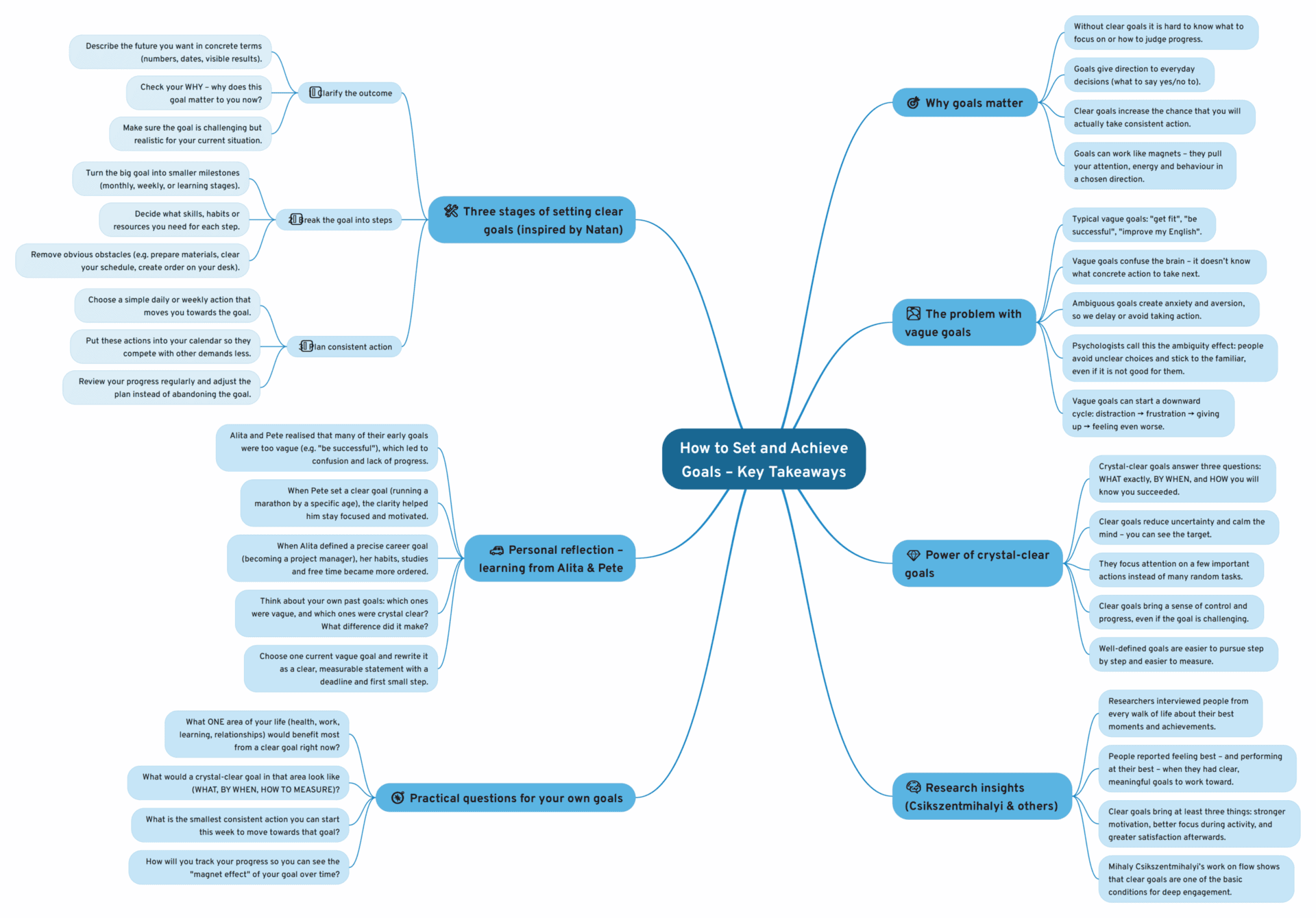
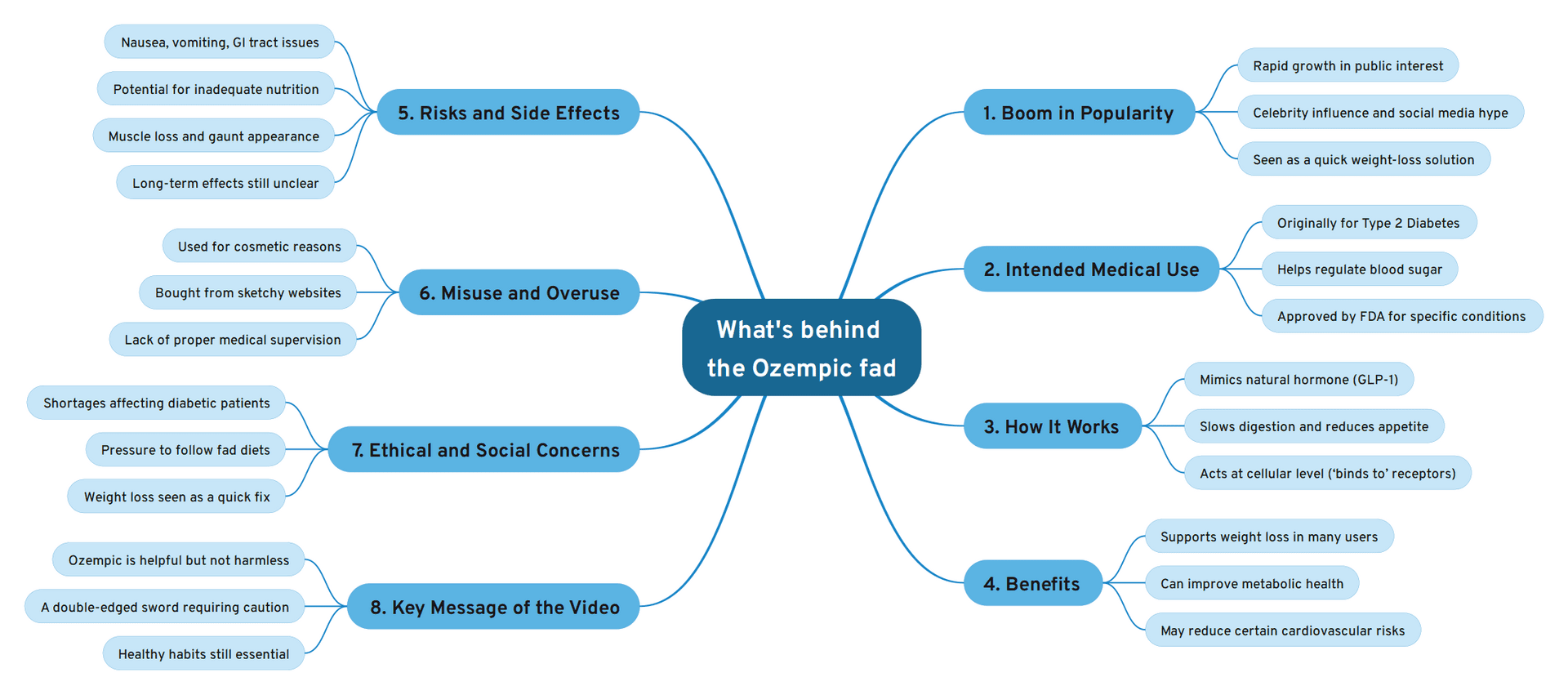
Use the mind-map below to remember the key points from this lesson or to discuss this subject further.

lesson glossary

Go through the language from this lesson to remember it well.

COMMENTS

Share your views and experience here.

Toys vs screens

Toys vs screens

Sorry, but lessons on The Blue Tree work only on a computer or a tablet.

Bardzo mi przykro, ale lekcje na platformie The Blue Tree działają jedynie na komputerze lub tablecie.

Do zobaczenia na większym ekranie 🙂

Zespół The Blue Tree

Learn more words

THE BLUE TREE

Opinions

CEF B1

CEFR B2

Upper
Intermediate

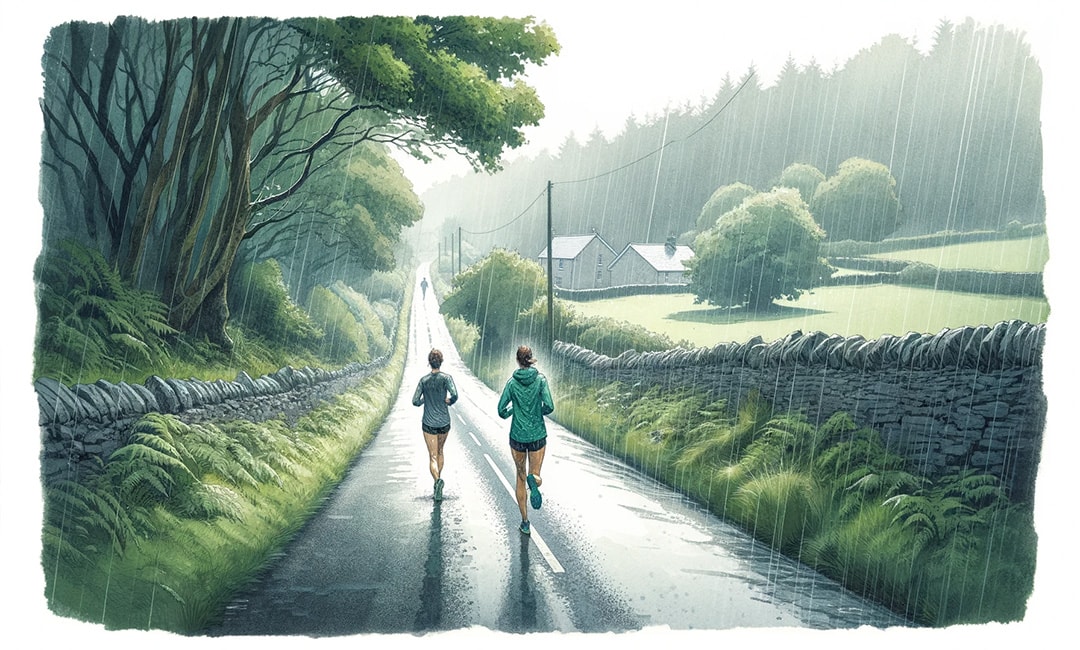
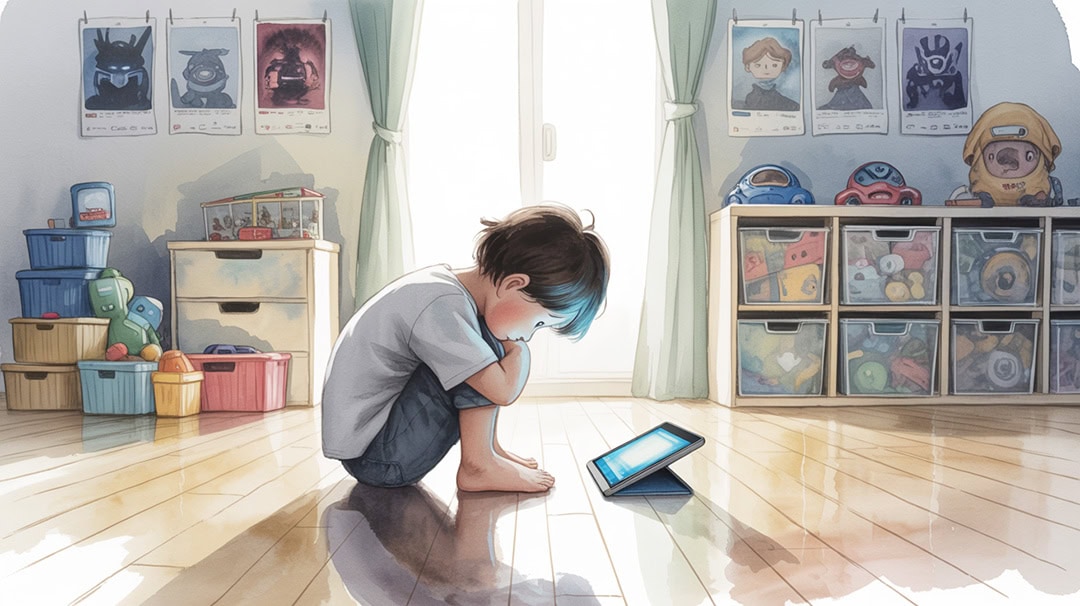
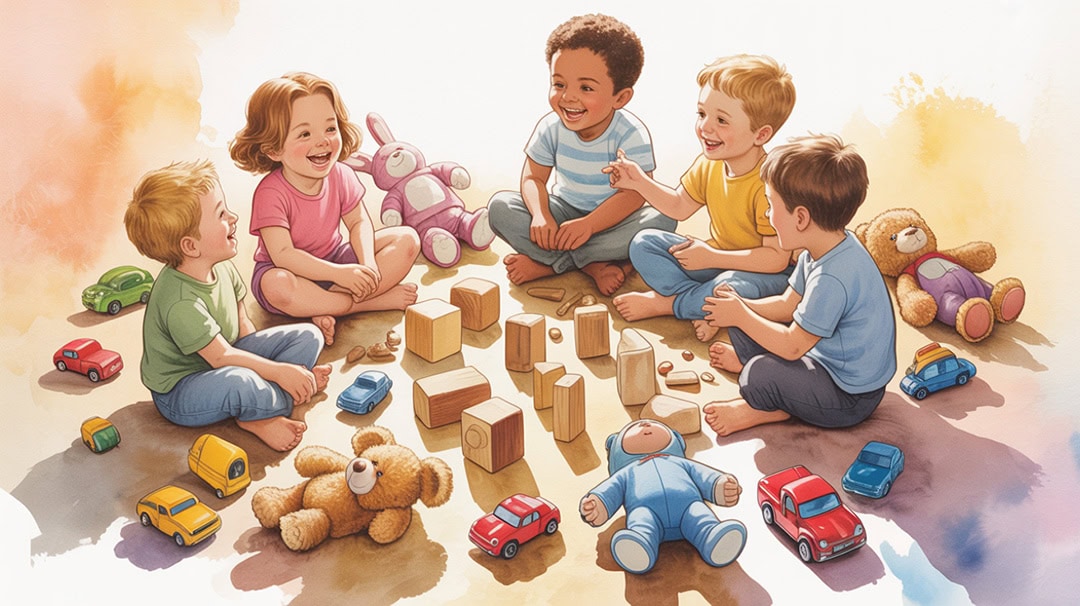
Practise speaking by describing this image

warm up

WARMUP QUESTIONS

Answer these questions. Listen to model answers. Read the transcript to check any new language.

Do you remember what your favourite toy or game was when you were a child?
TRANSCRIPT

Yes, I do. My favourite toy was a simple set of Lego bricks. I could build anything I imagined, from small houses to strange animals, and it kept me busy for hours. It didn’t tell me how to play — I had to invent everything myself. I think that freedom really boosted my creativity and made play feel exciting and meaningful.

TRANSCRIPT

I think screentime can be helpful, but only in moderation. It gives young people access to knowledge, creativity tools, and communication. However, too much of it can make them distracted, less active, and even anxious. The real issue is balance. If young people learn to set healthy limits and mix screen use with real-life activities, the impact can actually be quite positive.

What role does imagination and playfulness play in the development of a young person?
TRANSCRIPT

Imagination and playfulness are essential. Through play, young people learn to experiment, solve problems, and think creatively. Pretending, building, and inventing games also develop social skills, because they have to negotiate rules and cooperate. Play gives them space to express emotions safely and build confidence. Without it, their development could become too rigid and overly dependent on external stimulation.

part one

TOY STORY 5 TEASER

Watch a teaser fot Toy Story 5. How do the toys feel?

TALKING ABOUT WORRY AND FEAR

Go through these flashcards with language of worry and fear.

part two

In Defence of Toys

Read a short composition on defence of toys. Answer the questions that follow.

In an era when screens dominate almost every corner of children’s lives, traditional toys still offer something irreplaceable.

First, toys nurture imaginative thinking in a way that digital entertainment rarely does. When a child picks up a set of blocks or a soft toy, they create a world from scratch, rather than consuming one that has been pre-designed for them. This freedom to invent stories, experiment, and modify rules develops creativity and cognitive flexibility.

Second, toys foster hands-on learning. They encourage children to manipulate real objects, improving fine motor skills, spatial awareness, and problem-solving. A puzzle or construction set quietly teaches patience, spatial awareness, and problem-solving. A puzzle or construction set quietly teaches patience, perseverance, and delayed gratification — qualities that fast-paced digital content often undermine.

Third, toys strengthen social and emotional skills. They naturally invite cooperation: children learn to share resources, negotiate roles, and manage small conflicts. A game played in the living room teaches more about empathy and teamwork than hours spent alone with a tablet.

While screens have undeniable benefits, toys remain essential. They keep children grounded in the physical world, offer meaningful opportunities for interpersonal connection, and build life skills that no digital platform can fully replace.

niezastąpione

rozwijają / pielęgnują (w sensie wspierania rozwoju)

od zera

poznawcza / poznawcze

wspierają / sprzyjają

zachęcają / pobudzają

przestrzenna / przestrzenne (np. „świadomość przestrzenna”)

wytrwałość

odroczona gratyfikacja

dynamiczny (o treściach cyfrowych)

osłabiają / podważają (wpływ na rozwój, wartości)

niezaprzeczalne

osadzone w rzeczywistości

In Defence of Screens

Now read a composition which presents three suporting arguments for screens.

Although toys have a long and valuable history, screens deserve a balanced defence.

First, screens provide access to a vast range of educational resources. Interactive apps, documentaries, and digital textbooks allow children to delve deeper into subjects such as science, art, or geography. Properly selected digital content stimulates curiosity and gives learners immediate feedback, which can
accelerate progress.

Second, screens prepare young people for a world where digital competence is non-negotiable.
From coding basics to online research, screens teach skills that will shape future careers. Being able to navigate information, assess credibility, and use technology confidently is now as fundamental as mastering traditional literacy.

Third, screens can support meaningful social interaction. Video calls connect families separated by distance; collaborative online games teach strategy and teamwork; creative platforms help children share drawings, music, or short films with others. Rather than isolating users, screens often bring people together.

When used wisely and in moderation, screens are not a threat but a powerful tool. They expand
learning opportunities, build essential competencies, and broaden children’s horizons far beyond what a physical toy box can offer.

wyważona / zrównoważona

szeroki zakres / ogromny wybór

materiały edukacyjne

zgłębiać temat / wchodzić głębiej w zagadnienie

pobudza / stymuluje

przyspieszyć

niepodważalna / bezdyskusyjna konieczność

oceniać wiarygodność

umiejętność czytania i pisania / kompetencje językowe

wartościowa / znacząca

współpracujące / oparte na współpracy

mądrze / rozsądnie

zagrożenie

poszerzają / rozszerzają

poszerzają / rozbudowują

OVER TO YOU

What is your position on this issue? Use the language from these flashcards to prepare your own answer.

w

DISCUSSION

TOYS VS SCREENS

Read or role-play this dialogue between two parents talking about their approach to toys and screentime for their children.

Parent 1:
Hi! Nice day today, isn’t it?

Parent 2:
Yes, perfect for the kids to run around. Is that your daughter on the slide?

Parent 1:
Yes, that’s Maya. She loves climbing and playing with anything she can touch. At home she’s always building something with her blocks.

Parent 2:
That’s great. My son, Leo, is more into screens these days. If I let him, he would play on his tablet all afternoon.

Parent 1:
Oh, I know what you mean. We try to keep screentime limited — maybe one hour a day. I prefer when Maya uses her imagination with real toys.

Parent 2:
I agree. I think screens can be useful, but sometimes Leo gets too absorbed. He forgets to move, play, or even talk to us.

Parent 1:
Exactly. Toys feel more… real. Kids can create their own stories. But of course, it’s hard to avoid screens completely.

Parent 2:
True. We’re trying to find a balance — some screentime, but also outdoor play and board games in the evenings.

Parent 1:
Sounds like a good approach. In the end, we just want them to grow up healthy and curious.

Parent 2:
Yes, absolutely. Oh look — they’re playing together now! That’s a good sign.

OVER TO YOU

Now discuss these questions.

Bullet

How do you think children’s play has changed compared to when you were growing up? Do you see it as a positive or negative shift?

BulletIn your opinion, what kinds of toys or games support a child’s development the most? Why?
BulletWhere should we draw the line when it comes to screentime, and who should be responsible for setting those boundaries?
BulletDo you think traditional toys will survive in a world full of digital entertainment? What might keep them relevant?
BulletHow does play — whether with toys or screens — shape a child’s creativity, social skills, and emotional wellbeing?

COMMENTS

Share your composition here.

How to criticise people

How to criticise people

Sorry, but lessons on The Blue Tree work only on a computer or a tablet.

Bardzo mi przykro, ale lekcje na platformie The Blue Tree działają jedynie na komputerze lub tablecie.

Do zobaczenia na większym ekranie 🙂

Zespół The Blue Tree

How to criticise people
Learn more words

THE BLUE TREE

Everyday English

CEF B1

CEFR B2

Upper
Intermediate

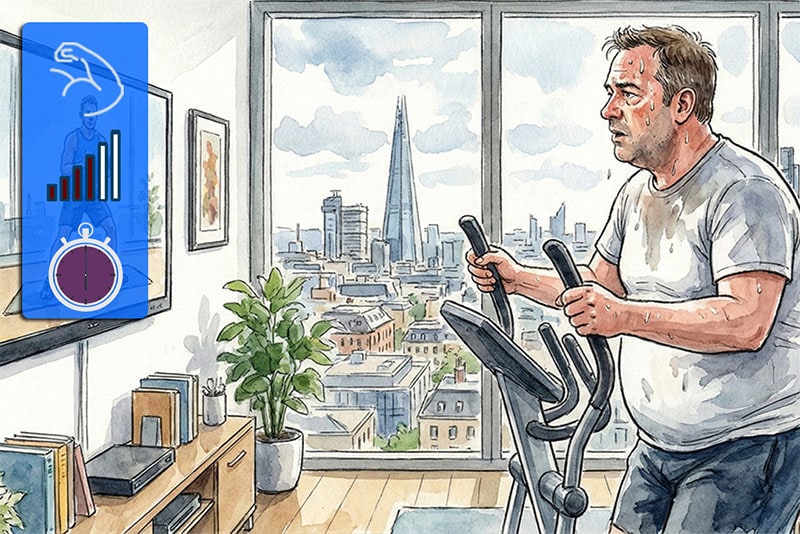
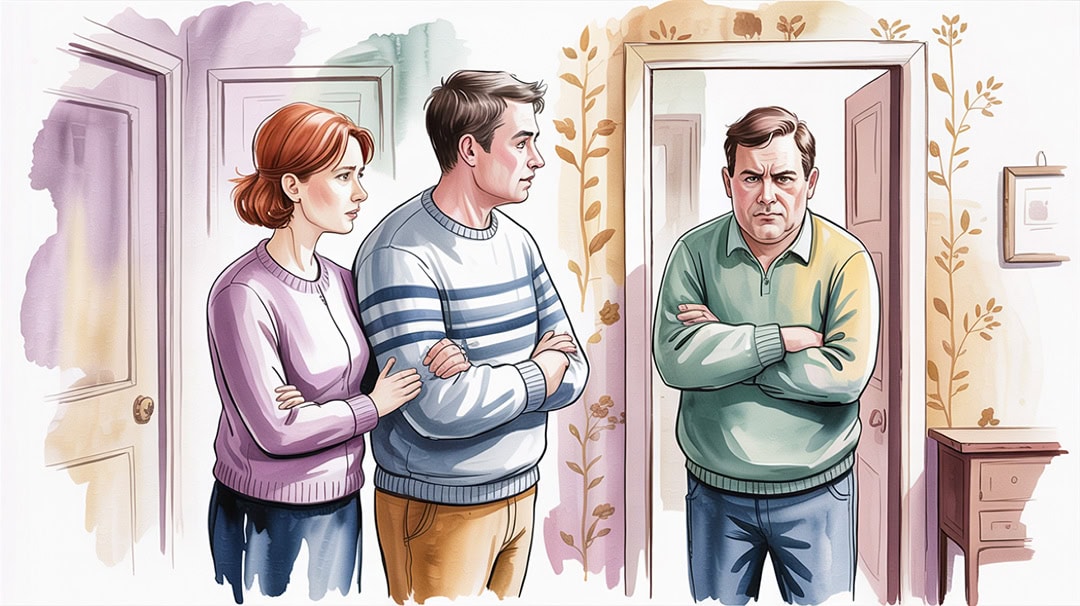
Practise English by describing this image

warm up

Answer these questions. Listen to some model answers. Read the transcript or report back what you heard.

TRANSCRIPT

At work, I really dislike colleagues who constantly shirk their responsibilities and then expect others to cover for them. There’s one person in particular who often tries to poison the atmosphere with negative comments about every project. Sometimes she even attempts to pick a fight over small issues. It’s frustrating, because such behaviour distracts the whole team and makes cooperation much harder than it should be.

TRANSCRIPT

Yes, I had a schoolmate who was a real slippery customer. He often played a dirty trick on others, like hiding their things or spreading rumours. On top of that, he was bone idle in class, never doing any homework and copying from everyone else. People lost patience with him quickly, and most of us held him in contempt for the way he treated others.

TRANSCRIPT

I’ve learned not to react immediately when someone tries to pick a fight. My strategy is to stay calm and avoid letting anger cloud my judgement. If I lose control, it’s easy to make a glaring error that I’ll regret later. Instead, I try to listen carefully, and if the conversation becomes too heated, I walk away. This helps me keep my dignity and avoid unnecessary conflicts.

part one

KEY LANGUAGE

Go through the flashcards in this set. How many of the expressions for criticising people do you know already?

DIVE DEEPER

Go through the flashcards and the notes below to learn more about the language of criticising people.

DIVE EVEN DEEPER

Read the notes on the new or most interesting expressions below.

From the lecturer/student complaints

bone idle
If someone is “bone idle,” it means they are extremely lazy — so lazy it’s as if the laziness goes right down to their bones! It’s stronger than simply saying “lazy.” You might hear this in Britain to describe someone who avoids work at all costs, like the colleague who never lifts a finger but still gets paid.

have an attitude problem
To “have an attitude problem” is to behave in a rude, negative, or uncooperative way. Think of someone rolling their eyes at the teacher or boss, or snapping back whenever corrected. The phrase became popular in schools and workplaces to describe people who don’t respect authority and make life harder for everyone around them.

slippery customer
A “slippery customer” is someone who is tricky and untrustworthy — like trying to hold a slippery fish, they always wriggle away. It’s often used in Britain to describe people who dodge responsibility, avoid direct answers, or twist situations to their advantage. You never quite know what they’re up to.

mindless violence
“Mindless violence” refers to aggression that has no reason or purpose. The word “mindless” shows that it’s done without thinking, like hooligans smashing things for fun. It paints a picture of violence that is both senseless and shocking, often used by newspapers reporting on riots or street fights.

pick a fight
To “pick a fight” means to deliberately try to start an argument or confrontation. The image is of someone choosing trouble the way you might pick fruit — actively looking for it. You might hear it if someone keeps making provocative remarks just to get a reaction.

have no respect (for authority)
If someone “has no respect for authority,” they ignore rules, laws, or those in charge. Picture a teenager rolling through red lights on their bike, or an employee constantly ignoring their manager’s instructions. It’s a critical way to highlight rebellious, disrespectful behaviour.

hold (someone) in contempt
To “hold someone in contempt” is to despise or strongly disrespect them. It sounds very formal, often legal (“held in contempt of court”), but it can also describe everyday situations where you secretly or openly look down on someone. It carries a very strong sense of disapproval.

take the flak
“Flak” originally comes from anti-aircraft fire in World War II. To “take the flak” now means to receive heavy criticism or blame. If a project fails, the manager often “takes the flak” from the board, even if it wasn’t all their fault. It paints a picture of standing in the line of fire.

disruptive influence
A “disruptive influence” is someone who disturbs the peace and causes trouble in a group. Teachers often use it about students who distract others in class. The word “influence” suggests they don’t just misbehave themselves, but encourage others to do the same — poisoning the group dynamic.

poisons the atmosphere
If someone “poisons the atmosphere,” they make a situation tense or unpleasant for everyone. The phrase creates a vivid picture — as if the air itself has been made toxic. It’s often used at work when one person’s constant negativity drags down the whole team.

the blame rests (with someone)
When “the blame rests with someone,” it means that person is responsible for what went wrong. The expression feels formal, like something you’d hear in an investigation or official report. It emphasises that responsibility ultimately belongs to one person or group.

shirk their responsibilities
To “shirk responsibilities” means to deliberately avoid duties. “Shirk” is quite an old-fashioned verb, but still common in this phrase. It suggests someone slipping away quietly instead of doing what they should — like the colleague who always disappears when there’s extra work to do.


From critical exclamations

stoop to that level
If someone “stoops to that level,” it means they lower their standards and behave as badly as someone else. The verb “stoop” literally means to bend down, so it paints a picture of lowering yourself morally. You might hear it in arguments: “I won’t stoop to that level!”

dirty trick (to play)
A “dirty trick” is an unfair or dishonest action, often designed to embarrass or harm someone. It can be used in sport, politics, or daily life. The phrase paints the idea of “playing” a trick — but not in a fun way, in a nasty, sneaky way.

nasty piece of work
Calling someone a “nasty piece of work” is a very British way of saying they are an unpleasant or mean person. It’s not about their work, but their character. The phrase sounds almost casual, but it’s a very strong criticism of someone’s personality.

totally out of order
If something is “totally out of order,” it means it’s completely unacceptable. It comes from the idea of a machine being “out of order” when broken, but in this sense it applies to behaviour. You might hear it in British English when someone is shocked by rudeness: “That comment was totally out of order!”

downright disgrace
A “downright disgrace” is something completely shameful. “Downright” adds emphasis, making the judgement stronger. It’s often used in angry speeches, newspaper articles, or by authority figures who want to express strong disapproval.

wouldn’t trust (someone) an inch
If you “wouldn’t trust someone an inch,” it means you don’t trust them at all. The image is of giving them not even a tiny bit of trust — not even an inch. It’s a very vivid way to show total distrust.


Other collocations relating to criticising people

betrayed my trust
If someone “betrayed your trust,” they broke your confidence in them. “Betray” is a strong word, often used in history about traitors, but here it’s personal — a friend sharing your secret, for example. It highlights the pain of having your faith in someone destroyed.

belittle his achievements
To “belittle” someone’s achievements is to make them sound smaller or less important than they are. The word “belittle” itself was first used by Thomas Jefferson in the 18th century! Today, it’s often used for people who can’t celebrate others’ success.

cloud your judgement
When something “clouds your judgement,” it makes it harder to think clearly. The image is of a cloud covering the sun — your mind can’t see clearly. Strong emotions like anger or love are often said to “cloud your judgement.”

minor niggles
“Minor niggles” are small complaints or problems. “Niggle” is a very British word, often used for little irritations that aren’t serious but still annoying. For example, a shoe that doesn’t quite fit, or a small bug in a computer program.

glaring error
A “glaring error” is an obvious mistake that stands out clearly. The word “glaring” comes from “to glare,” meaning to shine very brightly or to stare. So it suggests a mistake so big that it almost shines in your face.

constant nagging
“Constant nagging” describes repeated complaining or reminding, usually in a negative way. The word “nagging” comes from the sound of a horse’s repetitive movements, so it carries that sense of something happening again and again until it becomes irritating.

part two

Dialogue 1: at work

First, complete these dialogues with the missing words.

Second, read or role-play this dialogue with your classmate or your teacher.

AT THE OFFICE

Hannah: Did you hear what Liam did in yesterday’s presentation?

Ben: Oh, yes. He completely forgot to thank the team and then tried to blame the intern. What a glaring 1. .

Hannah: Exactly. And afterwards, he 2.  everyone’s achievements just to make himself look clever.

Ben: He’s turning into a real disruptive 3. . You can almost feel how he poisons the 4.  the moment he walks into a meeting.

Hannah: I know! And when someone finally calls him out, he acts as if he’s the victim. Honestly, I’ve lost all 5. for him.

Ben: Same here. He’s betrayed everyone’s 6.  too many times. At this point, even the boss has stopped defending him.

DIALOGUE 2: AT THE CINEMA

Now do the same with this dialogue.

AT THE CINEMA

Laura: I can’t believe that couple behind us! They’ve been talking through the whole film.

James: I know — and throwing popcorn! Honestly, it’s a downright 1. .

Laura: One of them even kicked my seat. When I turned round, she gave me the dirtiest look. I wouldn’t trust her an 2.

James: People like that always think the rules don’t apply to them. They’ve clearly got no 3. for others.

Laura: Exactly. I was going to say something, but I didn’t want to stoop to their 4. .

James: Good call. It’s not worth it. Let them make a glaring 5.  in public — everyone can see how childish they are.

DIALOGUE 3: AT THE RESTAURANT

Read or role play another dialogue. This time it is set in a restaurant.

AT THE RESTAURANT

Clara: Can you believe that man over there? He’s being so rude to the waiter.

Emma: Yes, I saw. He has such an attitude 1. . Honestly, his behaviour is totally out of 2. .

Clara: Exactly. He even tried to 3.  a fight when the waiter explained the menu.

Emma: And now he’s shouting across the room—it’s a downright 4. .

Clara: People like him always try to 5.  their responsibilities. If something goes wrong, he’ll say it’s everyone else’s fault.

Emma: True. No wonder other guests are starting to look 6. on him.

OVER TO YOU

Write your own dialogue that uses the language from the lesson. Role play it with the teacher or another student.

part three

READING

Read a humorous article on how to deal with anoying people in the office.

How to Deal with Difficult Colleagues (The Totally Wrong Way)

Every office has one: the slippery customer who smiles sweetly at the boss while secretly trying to shirk all responsibilities. Or the colleague with a permanent attitude problem, who loves to pick a fight about the colour of the stapler. What should you do? Here are some absolutely not-to-be-taken-seriously strategies.

First, when your colleague is clearly trying to poison the atmosphere, why not fight fire with fire? Bring in a fog machine, switch it on during the team meeting, and explain that you are just “setting the mood.” If nothing else, they will be too confused to argue.

Second, if someone plays a dirty trick on you, such as taking credit for your report, respond with an even dirtier one. Put their office chair on roller skates. When they sit down, they’ll glide gracefully across the room. Problem solved.

Third, when a colleague makes a glaring error, don’t correct them politely. Instead, print their mistake in size 72 font and hang it in the canteen under the title: “Today’s Special.” Subtle, yet effective.

Finally, when somebody behaves in a totally out of order way, such as stealing your lunch, don’t complain. Simply replace your sandwich with a slice of raw onion and wait for them to learn the hard way.

Of course, none of these methods will make you Employee of the Year. But hey, at least you’ll have stories to tell—unless your boss decides to take the flak for your creative problem-solving.

OVER TO YOU

Discuss the questions below.

BulletWhy do you think some people at work try to shirk their responsibilities? What excuses might they use?
BulletImagine you join a new team and someone is poisoning the atmosphere with constant complaints. What strategies could you use to stay positive?
BulletWhy do some people enjoy picking a fight even over small issues? Is it ever useful to pick a fight on purpose?
BulletIf you had to describe a politician, a celebrity, or even a character from a film as a “slippery customer,” who would it be and why?
BulletIn your opinion, should managers always take the flak when something goes wrong, or should the blame rest with individual employees?

FINAL CHALLENGE

Do the test below.

Multiple Choice Quiz: Criticising People

Read each question carefully and choose the best answer a, b, c, or d.
Only one answer is correct.
Some options may sound funny or almost right — pay attention to the collocation (the natural combination of words in English).
When you finish, check your answers and see how many you got right.

👉 Tip: If two answers look possible, choose the one that sounds most natural in everyday English.

1. What does it mean if someone tries to “pick a fight”?
2. If a colleague is called a “slippery customer”, what does that suggest?
3. What does it mean to “shirk responsibilities”?
4. What does it mean if someone “poisons the atmosphere” at work?
5. If behaviour is “totally out of order”, how would you describe it?
6. If a boss “takes the flak”, what is happening?
7. What does it mean to “look down on someone”?
8. If someone is “bone idle”, what are they like?
9. A “nasty piece of work” refers to…
10. To “belittle someone’s achievements” means…

11. If you “betray someone’s trust”, what happens?
12. A “glaring error” is…
13. “Constant nagging” refers to…
14. If someone has “an attitude problem”, what does that mean?
15. A “dirty trick” means…
16. What does it mean if “the blame rests with” someone?
17. To “cloud your judgement” means…


Well done! You're almost there!

18. If someone has a reputation as a “disruptive influence”…
19. A “downright disgrace” describes…
20. What are “minor niggles”?

Check how your score compares with other players.

OVER TO YOU

Discuss these questions.

Bullet1. Can disappointment ever be a good thing? Why or why not?
Bullet2. Do you think it’s better to expect a lot and risk disappointment or expect little and avoid it?
Bullet3. How do you usually react when something doesn’t meet your expectations?
Bullet4. Is it possible to prepare yourself for disappointment? If yes, how?
Bullet5. Can disappointment in a person change a relationship forever? Why do you think so?

COMMENTS

Share your writing task below.