Magic Words by Jonah Berger

Magic Words by Jonah Berger

Sorry, but lessons on The Blue Tree work only on a computer or a tablet.

Bardzo mi przykro, ale lekcje na platformie The Blue Tree działają jedynie na komputerze lub tablecie.

Do zobaczenia na większym ekranie 🙂

Zespół The Blue Tree

Magic Words by Jonah Berger
Learn more words

THE BLUE TREE

Better
Communicator

CEF B1

CEFR B2

Upper
Intermediate

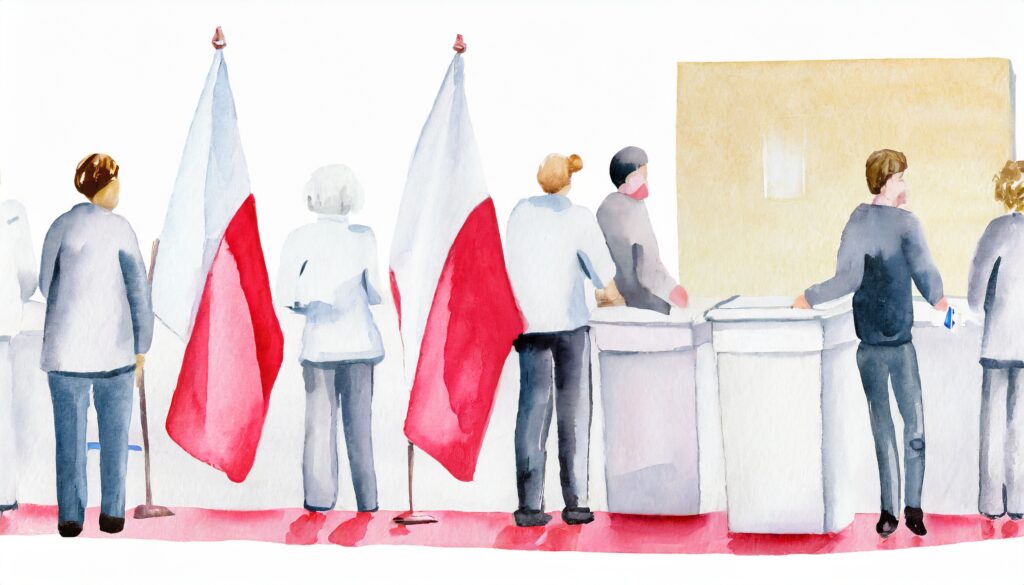
Practise speaking by describing this image

warm up

In this lesson we will review the book “Magic Words” by Jonah Berger. Have a look at some discussion questions below. Answer them using your own experience. Listen to some model answers and relate back what you have heard.

The Power of Words: Can you recall a time when someone’s words had a significant impact on your feelings or decisions, either positively or negatively? How did that make you feel, and why do you think those particular words had such an effect on you?
TRANSCRIPT

Yes, I remember a time when a colleague said, ‘I believe in your ability to handle this project.’ Those words had a huge impact on me. I felt more confident and capable because they trusted me, and that trust made me push myself harder. It’s amazing how a few positive words can completely change how we perceive ourselves and what we’re capable of.

Self-Persuasion: Have you ever used specific words or phrases to motivate or discourage yourself from doing something? For instance, telling yourself ‘I can’t’ versus ‘I don’t’ when faced with a temptation or challenge?
TRANSCRIPT

Definitely. I’ve used ‘I don’t’ instead of ‘I can’t’ when trying to cut out bad habits, like saying ‘I don’t eat junk food’ rather than ‘I can’t.’ It’s a subtle shift, but it makes me feel like I’m in control, rather than being restricted by some outside force. It’s a great way to frame things positively and stay motivated.

Influence on Others: Have you noticed how different words or approaches can change people’s reactions or decisions? For example, how asking someone ‘Could you help me?’ might have a different response compared to ‘Would you mind helping me?’ Why do you think that is?
TRANSCRIPT

I’ve noticed that subtle differences in phrasing can make a big impact. For example, when I ask someone ‘Could you help me?’ it feels like I’m asking for their input or collaboration, and they’re more likely to say yes. But if I say ‘Would you mind helping me?’ it can sound like a burden. The way we phrase things really changes how people perceive the request and react to it.

part one

KEY LANGUAGE

Study the words below. Make sure you understand them well.

Listen to the recording to learn how to pronounce them.

to double the chancespodwajać szanseWinning the lottery would double the chances of him going on a world tour.
enormousogromnyThe elephant has an enormous size compared to the mouse.
banishwypędzanie, usuwanieShe is banishing the negative thoughts from her mind.
nervesnerwyI always get nerves before speaking in public.
performancewystęp, wykonanieHer performance in the play was outstanding.
dramaticallydramatycznieHis health improved dramatically after changing his diet.

VIDEO

Watch the first part of the video.

COMPREHENSION

Answer these questions. Refer to the information from the video.

  • ⌚ 0:19 How powerful are words?
  • ⌚ 0:21 What will the first word help you with?
  • ⌚ 0:22 What will the second word help you with?
  • ⌚ 0:23 What’s the power of this category of words we will learn later in this lesson?

part two

KEY LANGUAGE

Study the words below. Make sure you understand them well.

enhancedwzmocniony, podkreślonyThe spices enhanced the flavor of the dish.
temptedkuszonyShe was tempted to eat the last piece of cake.
substitutionsubstytucjaAlmond milk is a common substitution for dairy milk in vegan recipes.
autonomyautonomiaAchieving autonomy in decision-making is crucial for personal growth.
locus of controlośrodek kontroliBelieving in fate means having an external locus of control.
heightenspodnosi, wzmacniaThe suspense heightens as the story progresses.
extinguishesgasi, tłumiThe rain extinguishes the campfire.
non-negotiableniepodlegający negocjacjomThe terms of the contract were non-negotiable.
leveragewykorzystaćShe wants to leverage her skills in the new job.
prioritizepriorytetyzowaćIt’s essential to prioritize your tasks to be productive.
directivedyrektywa, polecenieThe manager gave a clear directive to the team.
persuasiveprzekonywującyHis argument was so persuasive that everyone agreed.
pronepodatnySome plants are prone to certain pests.
resistanceopórThere was a lot of resistance to the new policy.

VIDEO

Watch the second part of the video.

COMPREHENSION

Answer these questions. Refer to the information from the video.

  • ⌚ 0:45 What were the first group of participants told to do?
  • ⌚ 0:50 What were the second group supposed to say to themselves?
  • ⌚ 1:07 What effect did this have in the end?
  • ⌚ 1:27 How does saying “I can’t” make us feel?
  • ⌚ 1:34 What happens when we say “I don’t”?
  • ⌚ 1:51 What are other benefits of using “I don’t”?
  • ⌚ 2:05 How can we leverage the power of “I don’t”?
  • ⌚ 2:25 Which of the three examples resonates with you the most?
  • ⌚ 2:38 Why is it important to use “because” and “choose to”?

part three

KEY LANGUAGE

Study the words below. Make sure you understand them well.

nerve-wrackingdenerwującyPreparing for the exam was a nerve-wracking experience.
self-talkrozmowa z sobąSelf-talk can be a useful tool for motivation and reflection.
intensifieswzmacnia, potęgujeThe music intensifies as the movie reaches its climax.
qualificationskwalifikacjeHis qualifications make him suitable for the job.
cortisolkortyzolStress can increase the levels of cortisol in the body.
promptspobudza, skłaniaThe bright colors prompted her to buy the dress.
supportivewspierającyHe has always been a supportive friend.
declarationsdeklaracjeShe made several bold declarations during the meeting.
procrastinatingzwlekanieStop procrastinating and start working on your project.
dissatisfyingniesatysfakcjonującyThe food at that restaurant was quite dissatisfying.

VIDEO

Watch the third part of the video.

COMPREHENSION

Answer these questions. Refer to the information from the video.

  • ⌚ 3:09 How do many people self-talk? Which pronouns do they use?
  • ⌚ 3:32 What should we replace the “I” pronoun with?
  • ⌚ 3:49 How did the presenters who used the second person self-talk perform on a presentation?
  • ⌚ 4:02 What is the benefit of seeing the situation from a supportive coach perspective?
  • ⌚ 4:13 What words can boost your confidence even further?

part four

KEY LANGUAGE

Study the words below. Make sure you understand them well.

strivingdążenieShe is striving to achieve excellence in her studies.
boostzwiększyć, podnieśćThe advert gave a significant boost to sales.
lecturingwykładanie, pouczanieHe’s been lecturing at the university for years.
eliteelitaShe belongs to the elite group of athletes in the country.
upholdpodtrzymywać, przestrzegaćIt’s important to uphold the traditions of our ancestors.
turnoutfrekwencjaThe turnout for the event was much higher than expected.
cheateroszustNobody likes a cheater in a game.
concisezwięzłyHer writing style is clear and concise.

VIDEO

Watch the fourth part of the video.

COMPREHENSION

Answer these questions. Refer to the information from the video.

  • ⌚ 4:39 How can you help a person who got stuck?
  • ⌚ 5:07 What do “could” questions help people to focus on?
  • ⌚ 5:23 What do good coaches know and what do they say to their clients as a result?
  • ⌚ 5:42 When people don’t do what we expect them to do, what shouldn’t we do?
  • ⌚ 5:42 What should we do instead?
  • ⌚ 6:06 What examples illustrate the power of building identity?
  • ⌚ 6:20 Why is turning actions into identities effective?

POLL

Cast your vote in the poll below.

Which of the lessons from the book "Magic Words" by Jonah Berger appeals to you the most

×

PRACTICE

Let’s revise the vocabulary from this lesson.

Play this Multidecker flashcard game.

COMMENTS

Share your views and experience here.

Will she dump him

Will she dump him

Sorry, but lessons on The Blue Tree work only on a computer or a tablet.

Bardzo mi przykro, ale lekcje na platformie The Blue Tree działają jedynie na komputerze lub tablecie.

Do zobaczenia na większym ekranie 🙂

Zespół The Blue Tree

Will she dump him
Learn more words

THE BLUE TREE

Everyday English

CEF B1

CEFR B1

Intermediate

Practise English by describing this image

warm up

Answer the questions below

  • How do you feel about keeping a secret?
  • If you knew about something your friend should know, but were asked not to reveal it, would you tell them?
  • What are some of the reasons couples break up?

key language

Check some of the language you will learn in this lesson. 

There are many colloquial, everyday expressions to talk about relationships.

part one

Meet Maz, Ben and their friends Rob and Kat. This story is about Maz and Ben. Is there future in this relationship?

Read the first dialogue. Maz meets Kat for a coffee. Here’s their conversation.

Kat: Hey Maz, how’s everything with Ben?

Maz: It’s okay, I guess. He’s so sweet, but sometimes, I feel like we’re just not on the same page.

Kat: Why? What happened?

Maz: Well, I’ve been thinking that maybe we don’t have that much in common. You know how ambitious I am, and he’s so… laid-back.

Kat: Yeah, I noticed that. But opposites attract, right?

Maz: Maybe. But sometimes I feel like he doesn’t really know me. Like, truly understand what I want.

Kat: What makes you say that?

Maz: It’s just this vibe I get. And the other day, I overheard him talking about planning a big surprise for me.

Kat: A surprise? That sounds exciting!

Maz: Normally, yes. But he was talking about booking a two-week holiday on a Greek island. He thinks I’ll love it because it’s sunny, but he never even asked if I wanted to go there.

Kat: Oh! Well, maybe he just wanted to do something special for you. You know, be romantic and all.

Maz: I appreciate the gesture, Kat. But what if I had other plans? Or what if that’s not the place I’d want to go? A surprise like that is a huge commitment.

Kat: I understand where you’re coming from. It is a bit risky on his part.

Maz: Exactly! And it just proves my point that maybe he doesn’t know me as well as he thinks he does.

Kat: Maybe you should talk to him, Maz. Before he goes ahead and books the trip.

Maz: I should, shouldn’t I? I just don’t want to hurt his feelings.

Kat: It’s better to be honest now than regret it later. Just explain to him how you feel. He’ll understand.

Maz: You’re right, Kat. Thanks for being there. I’ll talk to him.

Kat: Anytime, Maz. Communication is key. Good luck!

w

DISCUSSION

Discuss the questions below.

  • Do you think it’s always a good idea to plan big surprises in a relationship, like the holiday Ben has in mind for Maz? Why or why not?

  • How important is it for couples to like the same things? Can being different be a good thing in a relationship?

  • How can people make sure they really know what their partner wants or likes? How can they talk to each other better to avoid confusion?

part two

Kat meets Rob, Ben’s best friend. Listen to their conversation.

w

DISCUSSION

Discuss the questions below.

  • Why do you think Maz might be thinking of ending things with Ben, even though he seems unaware of the issues?

  • How important is it for friends to keep secrets, like the conversation about Ben and Maz? Would you have shared the information or kept it to yourself?

  • Do you believe that having a lot in common is crucial for a successful relationship? Why or why not?

part three

Now Ben meets Rob. Listen to their conversation.

w

DISCUSSION

Discuss the questions below.

  • Do you think Ben is making the right decision by planning a surprise holiday without consulting Maz first? Why or why not?

  • Why do you think Ben is so confident that Maz will love his surprise, despite her having strong opinions?

  • How does the conversation highlight the differences in understanding and approach towards romance between the two friends?

  • What could be the potential problems or misunderstandings that might arise from Ben’s decision to surprise Maz?

  • How important is it to consider a partner’s schedule and commitments when planning surprises?

part four

Language of relationships

Study the list of 15 expressions used to discuss relationships. 

How many did you know before?

IdiomTranslationExample
1. Fancy someonePodkochiwać się w kimś“Do you fancy him?”
2. Go steadyChodzić ze sobą“Are they going steady now?”
3. Pop the questionOświadczyć się“He finally popped the question on their holiday.”
4. Tied the knotWziąć ślub“They tied the knot last summer.”
5. On the rocksW kryzysie“I’ve heard their relationship is on the rocks.”
6. Puppy loveMłodzieńcze zauroczenie“It’s just puppy love; she’ll get over it.”
7. SnogCałować sięI saw them snogging in the park.”
8. Get hitchedWziąć ślub“When are you two getting hitched?”
9. Ditch someoneRzucić kogoś“He got ditched by his girlfriend.”
10. Play the fieldNie związywać się z nikim na stałe“He’s not ready to settle down; he’s still playing the field.”
11. Have a flingMieć przelotny romans“She had a fling while she was on holiday.”
12. Made for each otherStworzeni dla siebie“Look at them, they’re just made for each other.”
13. Fall head over heelsZakochać się po uszy“She fell head over heels for him after their first date.”
14. Old flameDawna miłość“I saw him with his old flame at the cafe.”
15. Chat someone upPodrywać kogoś“He tried to chat her up at the bar.”
Alita Pete and Kat are having a conversation

Will she dump him

Now, when you know Maz and Ben, do you think they are going to split up?

Create a dialogue where the story finds a resolution. Decide if you want them to stay together or split up.

COMMENTS

Submit your views and opinions below.

Helios. The Democratic Organisation

Helios. The Democratic Organisation

Learn more words

THE BLUE TREE

Business English

CEF B1

CEFR B2

Upper
Intermediate

Practise speaking by describing this image

warm up

Answer the questions below. Listen to sample answers. Report back what you heard.

How would you describe the company culture of the firm you work for?
TRANSCRIPT

The company I work for has a collaborative and supportive culture. Teamwork is highly valued, and there’s a strong emphasis on innovation and continuous learning. People are approachable, and it’s easy to share ideas or concerns. It feels like an environment where personal growth and professional goals align.

Do you think companies should be run tightly or rather more liberally?
TRANSCRIPT

I think it depends on the nature of the business. Tight management works well in industries where precision and consistency are essential, like manufacturing or healthcare. On the other hand, a more liberal approach fosters creativity and innovation, especially in fields like tech or marketing. Balance is key.

Can the rules of democracy be implemented in the business setting?
TRANSCRIPT

Implementing the rules of democracy in business could work to an extent, like allowing employees to have a voice in major decisions. But businesses also need leadership that can act decisively. A fully democratic model might slow down processes, but a mix of consultation and leadership could be effective.

part one

KEY LANGUAGE

Go through the flashcards below. Make sure you understand all the words and expressions.

VIDEO

Watch the video. It’s a fragment of a series “For All Mankind” from Apple TV. A woman comes to an office of Helios. She talks to the boss of this company. They discuss a candidate for a job. Later a decision is made. 

When you watch this video, focus on how the office looks like and what the decision making process is like.

COMPREHENSION

Answer these questions. Refer to the information from the video.

  • ⌚ 0:19 Has Karen been in this office before?
  • ⌚ 0:32 What are some of the things Karen is surprised about?
  • ⌚ 0:43 Why does Karen begin with the question: “Is this your office?”?
  • ⌚ 0:54 How did Dev describe the work culture at Helios?
  • ⌚ 1:26 What drink does Dev offer Karen?
  • ⌚ 2:25 Who did Karen recommend for the position of Mars expedition leader?
  • ⌚ 2:35 Why doesn’t Ed want to work for NASA anymore?
  • ⌚ 2:55 What happens when Dev says: “Hey, everybody, bring it in.”
  • ⌚ 3:23 How do people react to the idea of Ed Baldwin becoming the leader of their expedition?
  • ⌚ 4:04 How is the decision finally made?

part two

When talking about company culture you can use many different adjectives. Go through this poll. Listen to and read the short description of each pair of adjectives. Check any new language if necessary.

Use your answers to create a description of company culture of your current or former employer.

1. Supportive - Unsupportive

In a supportive company, people feel they are not on their own. Managers listen, give feedback, and help employees grow. When someone struggles, the focus is on solving the problem, not blaming the person. This creates trust and makes people more willing to speak up.

In an unsupportive culture, help is hard to find. Feedback is rare or unclear, and problems are often ignored. Employees may feel stressed, undervalued, or left to figure things out alone, which slowly kills motivation.

Supportive
Unsupportive
2. Competitive - Collaborative


A competitive company pushes people to perform better than others. Targets, rankings, and results matter a lot. This can be motivating for some, but it may also create tension and reduce trust between colleagues.

A collaborative company focuses on working together. People share ideas, help each other, and succeed as a team. Individual results matter, but teamwork comes first, which usually creates a calmer and more positive atmosphere.

Competitive
Collaborative
3. Innovative - Traditional


An innovative culture encourages new ideas and experimentation. Employees are allowed to question old ways and try new solutions. Mistakes are treated as part of learning, not failure.

A traditional culture values proven methods. People follow established rules and processes that have worked for years. This brings stability and predictability, but change usually happens slowly and carefully.

Innovative
Traditional
4. Hierarchical - Flat


In a hierarchical company, roles are clearly defined and decisions come from the top. Employees know who is in charge and what is expected of them, but decisions can take time.

In a flat company, there are fewer levels of authority. People have easier access to leaders and more say in decisions. This can speed things up, though responsibilities may sometimes feel less clear.

Hierarchical
Flat
5. Flexible - Rigid


A flexible culture adapts easily to change. Rules are treated as guidelines, not strict laws. Employees often have freedom in how they work, which increases autonomy and creativity.

A rigid culture follows rules very closely. Processes are fixed and deviations are discouraged. This ensures consistency, but it can feel restrictive and slow when quick changes are needed.

Flexible
Rigid
6. Progressive - Conservative


A progressive company looks ahead and embraces change. New tools, ideas, and approaches are welcomed, and the company reacts quickly to trends and challenges.

A conservative company prefers stability and tradition. Changes are carefully considered and introduced slowly. This reduces risk but can make the organization less responsive to new opportunities.

Progressive
Conservative
7. Risk-taking - Risk-averse


A risk-taking culture accepts uncertainty. Employees are encouraged to try bold ideas, even if they might fail. This can lead to big successes, but also occasional setbacks.

A risk-averse culture avoids uncertainty. Decisions are made carefully, with a strong focus on safety and predictability. Growth is steadier, but innovation may be limited.

Risk-taking
Risk-averse
8. Empowering - Micromanaging


An empowering company trusts its people. Employees can make decisions and take responsibility for their work. This usually increases confidence and engagement.

A micromanaging culture controls every detail. Managers closely supervise how tasks are done, which can make employees feel mistrusted and less motivated to think independently.

Empowering
Micromanaging
9. Individualistic - Team-oriented


An individualistic culture highlights personal achievement. Employees are rewarded for their own results and independence.

A team-oriented culture values cooperation. Success is shared, and people support each other to reach common goals, even if individual effort is less visible.

Individualistic
Team-oriented
10. Sustainable - Short-term focused


A sustainable company thinks long-term. Decisions consider future employees, customers, and the environment. Growth may be slower, but it is more stable.

A short-term focused company aims for quick results. Immediate profits matter most, sometimes at the cost of long-term trust, people, or stability.

Sustainable
Short-term focused
w

DISCUSSION

Discuss these questions. Refer to the video fragment you have just seen and your own experience.

  • What do you think of the open office plan of modern offices?
  • How would you feel working for Helios?
  • Should companies take care of employees wellbeeing?
  • What do you think of Dev sitting together with everybody else?
  • What do you think of the democratic decision making process shown in this clip?
  • What are the pros and cons of adopting democracy in a business context?

COMMENTS

Share your views and opinions here.

What if we stopped making so much stuff?

What if we stopped making so much stuff?

Learn more words

THE BLUE TREE

Business English

CEF B1

CEFR B2

Upper
Intermediate

Practise speaking by describing this image

warm up

Answer the questions below. Listen to sample answers. Report back what you heard.

How has the quality of life changed in your neighborhood in the recent decade?
TRANSCRIPT

In my neighborhood, the quality of life has improved in some ways, like better infrastructure and more green spaces, but at the cost of increased commercialization. The rising cost of living and over-development are worrying, making it harder for families to afford homes or enjoy the slower pace we used to have.

Do you think it is fair for our generation to use up Earth resources without considering future generations?
TRANSCRIPT

No, it’s not fair for our generation to deplete resources without considering future generations. We benefit from what previous generations preserved for us, so we have a responsibility to do the same. Sustainable practices and long-term thinking should guide our choices to leave the planet in better shape.

“Our happiness does not depend on how much stuff we accumulate” – agree or disagree.
TRANSCRIPT

I completely agree. True happiness comes from relationships, experiences, and purpose, not the amount of material things we own. Accumulating possessions often leads to short-term satisfaction, but lasting happiness is found in meaningful connections and a balanced, fulfilling life.

part one

key language

watch the video

Comprehension

  • ⌚ 0:15 How much stuff do you have?
  • ⌚ 022 What are the benefits of having a lot of possessions?
  • ⌚ 0:29 What is the actual price of having so much stuff?
  • ⌚ 0:34 What is the effect of consumerism on the planet?
  • ⌚ 0:43 What is the big question the film tries to answer?
  • ⌚ 0:51 What do many people believe we should do to prevent a catastrophe?
  • ⌚ 1:01 What is ‘degrowth’ in a nutshell?

part two

key language

watch the video

Comprehension

  • ⌚ 1:11 How are countries judged?
  • ⌚ 1:27 What are some things GDP counts?
  • ⌚ 1:42 What are some things it does not account for?
  • ⌚ 2:07 What does Kai Heron think about countries focusing on increasing their GDP?
  • ⌚ 2:37 Who coined the term ‘degrowth’? When?
  • ⌚ 2:52 What did the report on ‘degrowth’ predict?
  • ⌚ 3:01 How was the report initially perceived?
  • ⌚ 3:17 How did Nature change its view on ‘degrowth’? 

part three

key language

key language

Comprehension

  • ⌚ 3:34 What is ‘decoupling’?
  • ⌚ 4:18 What are some of the countries which succeeded in decoupling?
  • ⌚ 4:22 Why is decoupling not enough to solve the problem?
  • ⌚ 4:38 What other crises should we also try to solve?
  • ⌚ 4:58 Why doesn’t Julia Schor like the term ‘degrowth’?
  • ⌚ 5:15 Why does ‘degrowth’ sound scary?
  • ⌚ 5:35 What are the main points of ‘degrowth’?
  • ⌚ 5:54 What are some examples of industries that benefit the entire society?
  • ⌚ 6:01 How may implementing ‘degrowth’ affect our working week?

part four

key language

key language

Comprehension

  • ⌚ 6:28 What is a milder form of ‘degrowth’ called?
  • ⌚ 6:44 How does Doughnut Economy model work?
  • ⌚ 7:28 Why do people worry that slowing GDP may be bad for us?
  • ⌚ 7:32 Has ‘degrowth’ been implemented anywhere in the world?
  • ⌚ 7:58 What does Zeke Hausefather think about the likelihood of politicians embracing ‘degrowth’? 

part five

key language

key language

Comprehension

  • ⌚8:19 How could we help even the playing field for other countries to catch up?
  • ⌚ 8:46 What do the Global South urgently need?
  • ⌚ 9:09 How could ‘degrowth’ benefit people worldwide?
  • ⌚ 9:22 How many Earths would we need if everybody consumed as much as a person in the USA?
  • ⌚ 9:42 How do many view increasing GDP?
  • ⌚ 10:12 What is the Human Development Index and how is it different from the GDP?
  • ⌚ 11:02 What policies did Jacinda Ardern implement when she was the Prime Minister of New Zealand?
  • ⌚ 11:29 What do the advocates of ‘degrowth’ want us to imagine?
w

DISCUSSION

Alita has attended a conference on ‘degrowth’. Listen to the talk. Read Alita’s notes and then discuss the questions below.

Keynote Speech

Listen to Professor Marcus delivering a key note speech on the topic of Doughnut Economics and the degrowth movement.

Alita’s notes

Go through Alita’s notes from this talk.

Doughnut Economics: A groundbreaking model by Kate Raworth. Defines a “safe and just” space for humanity.
Inner Circle: Represents essential human needs such as health, education, and clean water.
Outer Circle: Denotes the planet’s ecological boundaries like climate stability and biodiversity.
Goal: Operate within the doughnut’s space where basic needs are met without surpassing the planet’s boundaries.

Current Reality:
– Pursuit of continuous GDP growth has often led to overshooting ecological limits and neglecting essential human needs.

Degrowth Movement:
– Not about regression but *conscious evolution*.
– Prioritizes well-being, equity, and sustainability over mere economic growth.
– Focus on *better*, not necessarily *more*.

Redefining Success:
– Success can be more than financial growth—consider well-being, community health, and environmental sustainability.
– Young professionals have the power and responsibility to reshape industries and redefine professional success metrics.

Global Shifts:
– Notable changes worldwide: Cities emphasizing green spaces, businesses focusing on sustainability, and communities practicing shared economies.

Action Points:
1. Educate and Engage : Immerse in these ideas and promote meaningful discussions.
2. Embed in Practice : Integrate sustainability and equity principles into your profession.
3. Empower Others : Influence and inspire change within your professional and personal networks.

Closing Thought:
– In our pursuit of growth, we must remain clear on the direction and purpose of our growth—aim for a balanced, thriving world.

DISCUSSION QUESTIONS

Discuss the questions below. Use the information from the lesson and your own experience.

  • Defining Success: What does “success” mean to you, and does it always have to involve making more money or having more things?

  • Nature and Us: Can you think of a time when you felt that taking care of nature was important? Why?

  • Quality over Quantity: Do you believe it’s better to have fewer, high-quality things rather than many things that might not last as long? Why or why not?

  • Local Changes: Have you noticed any changes in your town or city that seem to be good for the environment or the community?

  • Imagining the Future: How do you imagine a perfect city or country? What would be different from the way we live now?

LESSON GLOSSARY

COMMENTS

What do you think of Polish chances of becoming a major European superpower?

Share your views and opinions here.

An ER doctor on triaging your “crazy busy” life by Darria Long

An ER doctor on triaging your “crazy busy” life by Darria Long

An ER doctor on triaging your “crazy busy” life by Darria Long
Learn more words

THE BLUE TREE

Man & Society

CEF B1

CEFR B2

Upper
Intermediate

Practise speaking by describing this image

warm up

Answer the questions. Listen to the sample answers. 

What are some common signs or indicators that suggest you may be experiencing burnout from a hectic lifestyle?
TRANSCRIPT

For me, one of the biggest warning signs is when you’re tired all the time, even after a good night’s sleep. You might also become impatient with people or find it hard to concentrate on simple things. Another sign is that things you normally enjoy start to feel like another job. I think that’s when you need to stop and ask yourself whether you’re simply busy or actually running yourself into the ground.

In your opinion, what are the key challenges in balancing work, personal life, and self-care in today’s fast-paced world?
TRANSCRIPT

I think the biggest problem is that everything seems important at the same time. You’ve got work deadlines, family, friends, exercise, housework, and all those little things you need to deal with. Something usually has to give, and quite often it’s rest or time for yourself. Another problem is your phone. Even when you’re technically off work, messages and notifications can make you feel like you should still be available.

Have you tried any time management techniques or strategies in the past? If so, how effective were they in helping you regain control over your busy schedule?
TRANSCRIPT

Yeah, I’ve tried making daily to-do lists and deciding on my three most important tasks for the day. That actually works quite well because a huge list can make me feel overwhelmed before I’ve even started. The problem is sticking to the plan when something unexpected comes up. I’m getting better at leaving some space in my schedule instead of filling every minute. That seems to make busy days much easier to handle.

part one

KEY LANGUAGE

Go through the flashcards below. Make sure you understand all the words and expressions.

Er Doctor Tbt Flashcards Set 1
0 / 0
0 / 0

VIDEO

Watch the first part of the video.

COMPREHENSION

Answer these questions. Refer to the information from the video.

10:20Would you have risen your hand to the question: "Have you ever used the phrase "Crazy Busy""?Yes, I probably would. "Crazy busy" is a common way to describe a day or week when you feel overwhelmed and have too much to do.
20:34Does Darria use this word in the ER?No. She says that "crazy busy" is a phrase you will never hear her use, even though she works in a very busy emergency room.
31:11How does the Crazy Mode diminish our capability of handling the ‘busy’?Our stress hormones rise, while the brain’s executive function declines. As a result, our memory, judgment and impulse control get worse, and the areas linked to anger and anxiety become more active.
41:37What does the research show about our ability to react to a stressful situation?Research shows that although our brains process stress in similar basic ways, the way we react to stress can be changed and trained.
51:48What does Darria contrast the "Crazy Mode’ with?She contrasts Crazy Mode with what she calls "Ready Mode," the state emergency-room staff use to deal with whatever comes through the doors.
62:19What does being in the "Ready Mode" mean in general?It means feeling prepared and confident that you can handle whatever happens, rather than becoming overwhelmed by the situation.

part two

KEY LANGUAGE

Go through the flashcards below. Make sure you understand all the words and expressions.

Er Doctor Tbt Flashcards Set 2
0 / 0
0 / 0

VIDEO

Watch the second part of the video.

COMPREHENSION

Answer these questions. Refer to the information from the video.

12:35What is the first step to go from Crazy Mode to Ready Mode?The first step is to relentlessly triage — to stop treating every task or problem as equally urgent.
22:50What does it mean to triage?It means prioritizing things according to how urgent they are, so you deal with the most important ones first.
32:58What does the work of Dr. Robert Sapolsky show?It shows that people who cannot tell the difference between a real threat and a non-threat, and react to everything in the same way, have about twice the level of stress hormones.
43:15What are the colours of triage? What do they mean?Red means immediately life-threatening, yellow means serious but not immediately life-threatening, and green means minor. The reds get attention first.
53:34What is part of the problem with Crazy Mode?Part of the problem is that we react to everything as if it were red — as if every task or problem were an emergency.
64:11How does noise make triaging more difficult?Noise can make something seem more urgent than it really is. The loudest problem is not always the most important one, so we have to look beyond the noise and identify the real reds.

part three

KEY LANGUAGE

Go through the flashcards below. Make sure you understand all the words and expressions.

Er Doctor Tbt Flashcards Set 3
0 / 0
0 / 0

VIDEO

Watch the third part of the video.

COMPREHENSION

Answer these questions. Refer to the information from the video.

15:19How does Darria approach the green tasks?She treats green tasks as minor and reminds herself that they do not have to be perfect. Sometimes it helps to think, “That’s a green task. No one’s going to die.”
25:34What does the black colour mean in triage?Black is used for patients for whom nothing more can be done. In those situations, medical staff have to stop and move on to people they can still help.
35:51What are black tasks in our lives?They are tasks we need to remove from our list because we simply cannot do everything. Darria’s example was stepping down from the school fundraiser so she could focus on her real priorities.
46:12What is the next step in moving from Crazy Mode to Ready Mode?The second step is to expect and design for crazy. We should prepare in advance and organize things so that important tasks are easier to do when life gets busy.
56:28What does science tell us about the relationship between a number of choices and our decisions?The more options we have, the longer each decision takes. And the more decisions we make, the more tired our brain becomes, which makes it harder to make good decisions.
66:40What is the second step about?It is about finding practical ways to reduce the number of decisions we have to make every day.
77:39How does planning, autonomating, collocating, and decreasing temptations help with designing?They make good choices easier and reduce unnecessary decisions. Planning removes last-minute choices, automating handles recurring tasks, colocating keeps what we need together, and reducing temptations means we rely less on willpower.

part four

KEY LANGUAGE

Go through the flashcards below. Make sure you understand all the words and expressions.

Er Doctor Tbt Flashcards Set 4
0 / 0
0 / 0

VIDEO

Watch the fourth part of the video.

COMPREHENSION

Answer these questions. Refer to the information from the video.

18:09What is the third step of getting from Crazy Mode to Ready Mode?The third step is to get out of your head. Instead of getting trapped in your own fear and thoughts, you need to shift your attention outward.
28:44What matters when we get scared?Being scared is not the main problem. What matters is what we do next — whether we stay focused and act effectively or let fear take control.
38:59How can being scared derail us?Fear can start a negative internal monologue. We may catastrophize, develop tunnel vision and become unable to see the situation clearly or solve problems effectively.
49:18How does Darria get our of her head?She deliberately focuses on someone else. She looks at the person in front of her and asks what they need, what they fear and how she can help.
59:42What effect does compassion have on tunnel vision and negative internal monologue?Compassion interrupts tunnel vision and the negative internal monologue. It widens our perception, helping the brain take in more information, see more possibilities and make better decisions.

part five

KEY LANGUAGE

Go through the flashcards below. Make sure you understand all the words and expressions.

Er Doctor Tbt Flashcards Set 5
0 / 0
0 / 0

VIDEO

Watch the fifth part of the video.

COMPREHENSION

Answer these questions. Refer to the information from the video.

111:04How did the other patients react when Darria helped deliver a baby?They came together to root for the baby. Despite having their own problems, they gathered nearby and shared in the joy when the baby was born safely.
211:13What happens when you go from Crazy Mode into Ready Mode?Other people notice the change. They may want the same sense of calm and control, and sometimes all they need is someone to show them what Ready Mode looks like.
311:29What does Darria encourage us to do?She encourages us to own the busy but stop calling it crazy. We already have the ability to handle demanding situations; we just need to use the right strategies and be ready.

POLL

Cast your vote in the poll below. How does your answer compare with the other respondents?

1️⃣ When life gets really busy, what helps you most to stay in control?
2️⃣ Which of Darria Long’s “Ready Mode” ideas would be most useful in your everyday life?
3️⃣ What is most likely to push you into “Crazy Mode”?
1 vote

×

DISCUSSION

Answer the questions below. Try to throw some newly learned words and phrases.

BulletHave you ever been in “crazy busy mode”? How did it affect you at work or at home?
BulletCan you think of a time when prioritizing tasks better would have helped you?
BulletHow do you manage daily decisions, and where could you simplify things?
BulletWhen could focusing on others instead of yourself help you make better choices?
BulletHow could you use “ready mode” in your life to face busy times with more confidence?

lesson glossary

COMMENTS

Have you got your own strategies for dealing with Crazy Mode?

Share your views and experience here.