Can e-bikes transform our cities?

Can e-bikes transform our cities?

Sorry, but lessons on The Blue Tree work only on a computer or a tablet.

Bardzo mi przykro, ale lekcje na platformie The Blue Tree działają jedynie na komputerze lub tablecie.

Do zobaczenia na większym ekranie 🙂

Zespół The Blue Tree

Can e-bikes transform our cities?
Learn more words

THE BLUE TREE

Travel & Nature

CEF B1

CEFR B1

Intermediate

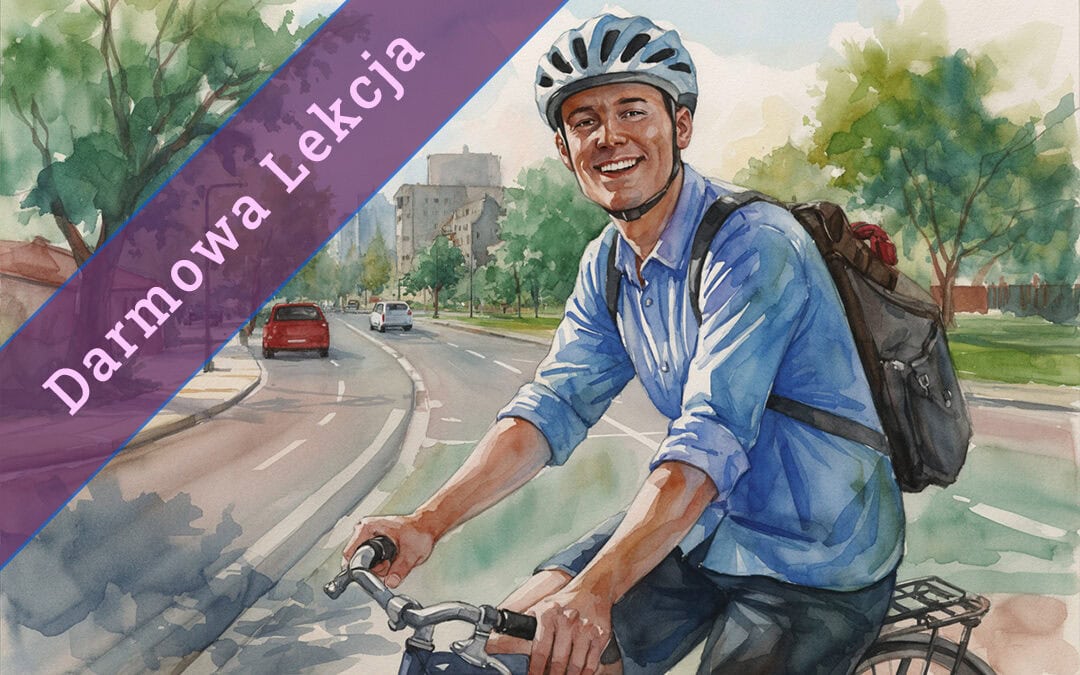
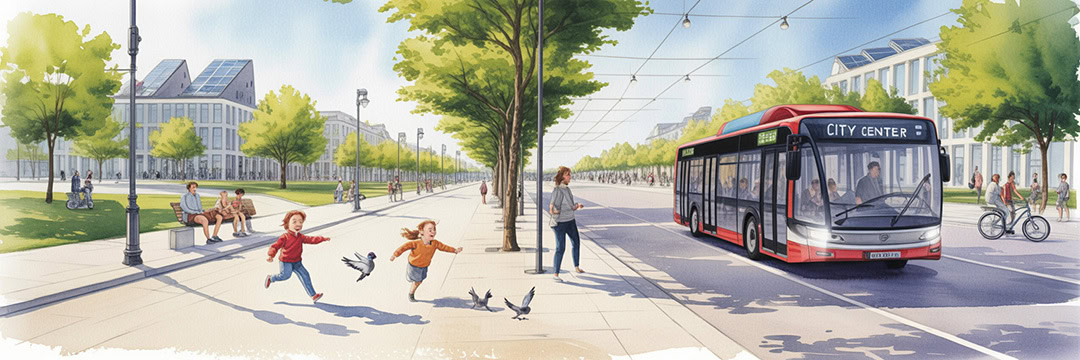
Practise speaking by describing this image

warm up

Answer the questions below.

TRANSCRIPT

I usually ride my bike to work because it’s fast, cheap, and good for my health. I enjoy the freedom it gives me—I don’t have to sit in traffic or look for parking. On warmer days, it’s actually the best part of my routine. Of course, when the weather is bad or I have to carry something heavy, I take public transport. But in general, the bike is my favorite way to commute.

Do you think there should be more infrastructure for bikes and pedestrians in your city?
TRANSCRIPT

Definitely. In my city, cars still dominate, and there aren’t enough bike lanes or wide pavements for pedestrians. I often feel unsafe when cycling, especially near busy roads. I think if the city built more cycling infrastructure—like protected bike paths and proper bike parking—more people would leave their cars at home. It would also improve air quality and reduce traffic jams. Investing in pedestrian-friendly streets would make daily life easier and healthier for everyone.

TRANSCRIPT

I think cities in the future will be designed for people, not cars. There will be more green areas, fewer private vehicles, and cleaner air. I believe e-bikes and electric buses will become the main way of getting around. Shopping and deliveries might be done by robots or drones. Also, streets could be quieter and safer, with more public spaces where people can walk, meet, and relax. Technology will help cities become more efficient and more human-friendly.
part one

KEY LANGUAGE

Go through the flashcards below. Make sure you understand all the words and expressions.

VIDEO

Watch the first part of the video.

COMPREHENSION

Answer these questions. Refer to the information from the video.

  • ⌚ 00:16 How popular are e-bikes these days?
  • ⌚ 00:22 How big is the European market for e-bikes?
  • ⌚ 00:54 How much has the sales of e-bikes risen since last year?
  • ⌚ 01:04 Who is buying e-bikes?
  • ⌚ 01:18 How expensive are e-bikes?
  • ⌚ 01:38 What is Bosch famous for?
  • ⌚ 02:04 What innovations sped the trend for electric bikes?
  • ⌚ 02:16 What’s the possible range on an e-bike these days?

part two

KEY LANGUAGE

Go through the flashcards below. Make sure you understand all the words and expressions.

VIDEO

Watch the second part of the video.

COMPREHENSION

Answer these questions. Refer to the information from the video.

  • ⌚ 2:57 How many Germans own an e-bike?
  • ⌚ 3:15 What makes a city of Vechta special?
  • ⌚ 3:40 How are e-bikes changing the city infrastructure?
  • ⌚ 3:52 What is Bremen famous for?
  • ⌚ 4:17 What is Bremen building to make cycling safer?
  • ⌚ 4:32 What caused an increase in the use of e-bikes in London?
  • ⌚ 4:47 What is transforming the way people do their shopping?
  • ⌚ 5:21 How are e-bikes replacing vans on the road?

part three

KEY LANGUAGE

Go through the flashcards below. Make sure you understand all the words and expressions.

VIDEO

Watch the third part of the video.

COMPREHENSION

Answer these questions. Refer to the information from the video.

  • ⌚ 5:44 How are delivery companies like FedEx taking advantage of e-bikes?
  • ⌚ 5:59 What are the advantages of these vehicles?
  • ⌚ 6:31 What have architects realized in the last decade?
  • ⌚ 6:38 How popular were bikes in 1949?
  • ⌚ 6:46 How did the situation change by 1974?
  • ⌚ 7:04 How are cities around the world changing accoring to Peter Murray?
  • ⌚ 7:11 How has the position of e-bikes changes as a mode of transport?

POLL

Cast your vote in the poll.

Which mode of transport do you think will dominate the cities of the future?

×
w

DISCUSSION

DIALOGUE

Alita and Pete are having coffee after work, chatting about how their city has changed lately.

Read or role-play their dialogue.

Alita: Have you noticed how many people are riding e-bikes these days?

Pete: Yeah, it’s hard to miss. I read that e-bike ownership has quadrupled in just a few years. It’s crazy!

Alita: It’s actually exciting. They’re perfect for a city like ours—with so much congestion, we really need a better way to get around.

Pete: True. I used to drive every day, but now I’ve started a trial period with an e-bike rental scheme. It’s cheaper, and it really helps me blend into the city traffic better.

Alita: That’s great! I think e-bikes really cater for people who want flexibility. Like, you can still ride without sweating too much and accelerate easily at lights.

Pete: Exactly. And I like that they don’t take up much space. Cars occupy so much of the road. If more people used e-bikes, I bet we’d see the roads shrink in car traffic.

Alita: Not to mention the broad range of people using them. From students to gig workers, they’re everywhere. It feels like e-bikes are finally going mainstream.

Pete: I think this is just the beginning. With the advent of better batteries and more bike lanes, they’ll soon outstrip cars for short city trips.

Alita: Totally agree. It’s a small shift, but it gives me hope. I just hope the city continues to tap into this trend and improves infrastructure.

Pete: Me too. If we want cleaner air and healthier lives, embracing e-bikes is a great step.

Alita: Let’s both stick with it. Maybe next week we ride to work together?

Pete: Deal! Let’s make it a habit.

OVER TO YOU

Discuss these questions. Refer to the topic of the lesson and your own experience.

BulletWhat do you think accounts for the rising popularity of e-bikes in cities?
BulletIn your opinion, will e-bikes ever outstrip cars for daily transport? Why or why not?
BulletHow does congestion in your city affect your daily routine or travel choices?
BulletDo you think e-bikes should be made more accessible to cater for different types of users? What should cities do?
BulletHow has the advent of new technology like e-bikes or scooters changed the way people blend into urban environments?

lesson glossary

COMMENTS

How do you feel about e-bikes? Do you think they will be the future of personal transport in cities?

Share your thoughts and ideas below.

Managing up

Managing up

Learn more words

THE BLUE TREE

Business English

CEF B1

CEFR B1

Intermediate

Practise speaking by describing this image

warm up

Answer the questions below. Listen to some people answering these questions. Report back or read the transcript to practise speaking.

Think about a really good boss you have had. Why was he or she so good?
TRANSCRIPT

I once had a boss named Joanna, and she was amazing. She always listened to our ideas and made us feel like we were part of the team. She was also very clear about what she expected, so we never felt lost or confused. I think what made her so good was that she trusted us, but she was also there when we needed help. She gave feedback in a kind way and really cared about our growth.

Is it easy to manage people? What is the biggest challenge in managing other employees, in your opinion?
TRANSCRIPT

No, I don’t think it’s easy to manage people. In my opinion, the biggest challenge is that everyone is different. Some people need more support, others like to work on their own. As a manager, you have to understand how each person works best. Also, if there is a problem or conflict in the team, it’s the manager who has to deal with it. That can be stressful.

Would you like to be responsible for the work of other employees? What would you like the most and least about this position of authority?
TRANSCRIPT

Yes, I would like that one day. I enjoy helping others and I think I’m good at organizing tasks. What I would like the most is seeing the team succeed and knowing I helped make that happen. But what I wouldn’t like is having to give negative feedback. I don’t enjoy telling people they made a mistake—it feels uncomfortable. Still, I think it’s part of growing as a leader.

part one

KEY LANGUAGE

Go through the flashcards below. Make sure you understand all the words and expressions.

VIDEO

Watch the first part of the video.

COMPREHENSION

Answer these questions. Refer to the information from the video.

  • 1. What’s the first rule of “Managing Up”?
  • 2. What should we learn about our bosses as regards: communication?
  • 3. What should we learn about our bosses as regards: amount of information?
  • 4. What should we learn about our bosses as regards: personality?
  • 5. What is the value of learning the answers to these questions?

part two

KEY LANGUAGE

Go through the flashcards below. Make sure you understand all the words and expressions.

VIDEO

Watch the second part of the video.

COMPREHENSION

Answer these questions. Refer to the information from the video.

  • 1. Why isn’t the office a place to be modest?
  • 2. Is it about being arrogant?
  • 3. Why should others know about your accomplishments?
  • 4. What’s an “Accomplishments File”?
  • 5. When should you send it to your boss?
  • 6. Why shouldn’t you call those accomplishments but completions?

POLL

How well do you know your boss? How many questions can you answer in this poll?

How can knowing the answers to these questions help you manage up your boss?

1. Is your boss?
introvert
extrovert
2. How do they prefer to communicate?
Written (email, messages)
Spoken (calls, meetings)
3. How much information do they want?
Just the key points
All the details
4. When you bring a problem, do they prefer...?
You to offer a solution
To solve it themselves
5. How quickly do they make decisions?
Slow and careful
Fast and confident
6. What’s their style of leadership?
Hands-off (lets you decide)
Hands-on (likes to be involved)
7. How do they give feedback?
Private and gentle
Direct and open
8. What motivates them more?
Results and goals
Teamwork and relationships
9. How do they respond to new ideas?
Cautious and skeptical
Open and enthusiastic
10. What’s their time management style?
Flexible with deadlines
Strict with deadlines
11. How often do they want updates?
Only when necessary
Regular and detailed
12. Do they prefer to work?
Alone and quietly
With others and collaboratively
w

DISCUSSION

MANAGING UP

Follow the conversation between three colleagues. They are talking about the idea on “managing up”.

Read (role play) their dialogue.

Alita Pete and Kat are having a conversation

Anna: So… our new boss is starting next week. Are you two ready?

Mike: Not really. It feels strange not knowing anything about them.

Julia: I know what you mean. But I’ve been thinking about that video our English teacher showed us—Managing Up. I think we can use some of those tips.

Anna: Yeah, like the idea of learning about your boss. It sounds simple, but it’s actually smart.

Mike: Right. I wrote down some of the questions from the video. Like: What style of communication does my boss prefer? Do they like emails, calls, or face-to-face?

Julia: Good one. My last manager hated long emails. He always said, “Just give me the main point.”

Anna: That’s another question: How much information does my boss want from me? Should we prepare a lot of details, or just a short summary?

Mike: We’ll probably need to test and observe. Some managers want to be involved in every step, others just want results.

Julia: Also: Do they want me to bring a solution, or do they prefer to decide? It’s good to know if we should share ideas or just explain the problem.

Anna: Exactly. If we bring too much or too little, it can be a problem. We have to learn their style.

Mike: Another idea from the video was toot your own horn. I used to think it was a bad thing, but now I see it differently.

Julia: Same here. It’s not about showing off. It’s just letting your boss know what you and your team are doing well.

Anna: Yeah, like saying: “The report I worked on helped the client a lot,” or “The team finished the task early.”

Mike: I think we should also keep a list of our achievements. Then it’s easier to talk about them during meetings or reviews.

Julia: And we can send short updates, like once a week. It helps the boss know what’s going on and shows we’re reliable.

Anna: We can even ask the new boss directly: “Would you like weekly updates from us?” That way we don’t have to guess.

Mike: I like that. It shows respect and makes everything clear.

Julia: So we’re all agreed—we’ll try to manage up. Ask smart questions, learn how they work, and gently share our wins.

Anna: Yes! A new boss is a chance to grow. Let’s make the most of it.

DISCUSSION QUESTIONS

Discuss the questions below. Refer to the information from the video and your own life experience.

BulletWhy do you think managing your relationship with your boss is important for your success at work?
BulletWhat are some effective ways to understand your manager’s communication and decision-making style?
BulletCan you think of a time when you or someone you know successfully “managed up”? What did they do, and what was the result?
BulletWhat challenges might people face when trying to share their accomplishments with their boss without sounding arrogant?
BulletHow can keeping your boss informed about your work help build trust and improve teamwork?

LESSON GLOSSARY

Check out the language from this lesson.

FREE PRACTICE

Describe the best boss you have ever had. 

Write your answer in the comments below or send it to your teacher.

COMMENTS

Share your views and opinions here.

40 rules for life

40 rules for life

Sorry, but lessons on The Blue Tree work only on a computer or a tablet.

Bardzo mi przykro, ale lekcje na platformie The Blue Tree działają jedynie na komputerze lub tablecie.

Do zobaczenia na większym ekranie 🙂

Zespół The Blue Tree

Learn more words

THE BLUE TREE

Man & Society

CEF B1

CEFR B2

Upper
Intermediate

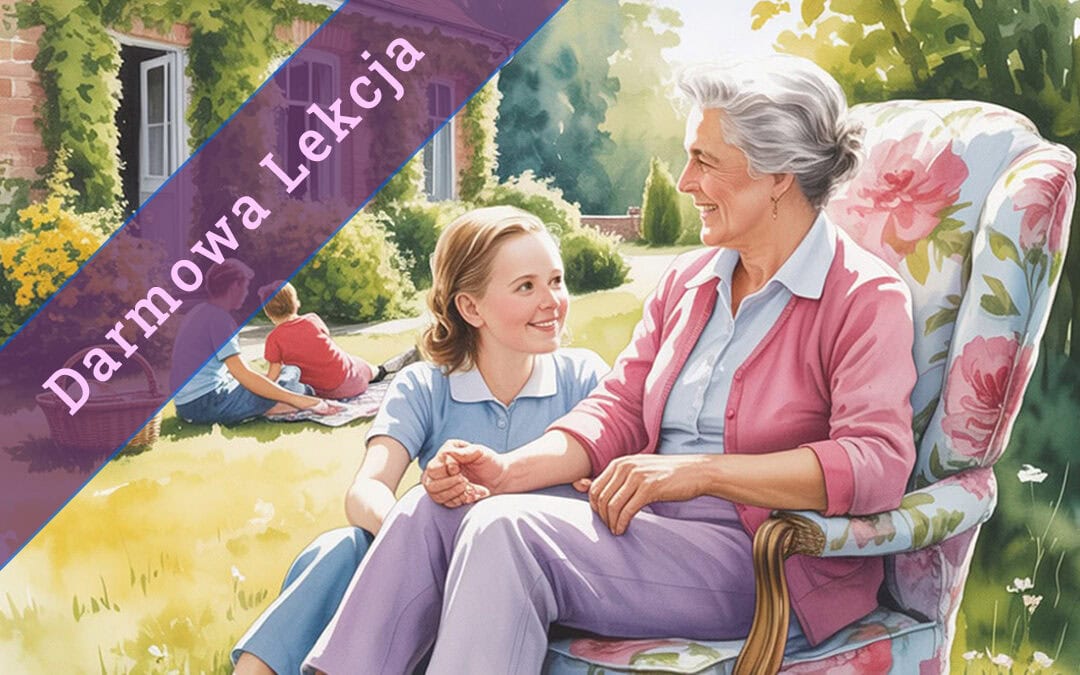
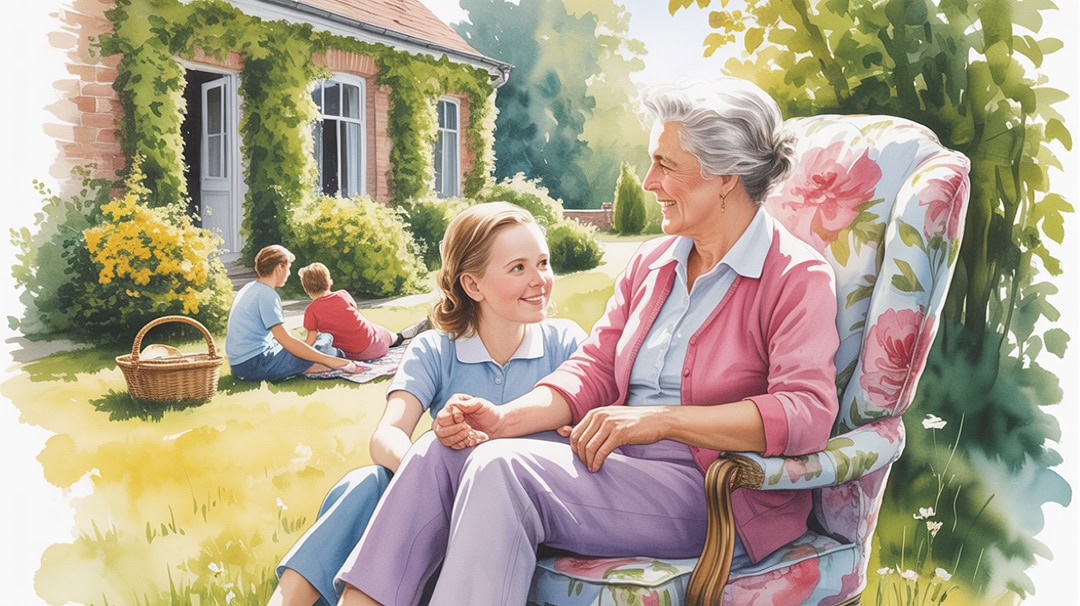
Practise speaking by describing this image

warm up

Answer the questions below. Listen to same people answering these questions. Report back or read the transcript to practise speaking.

TRANSCRIPT

I think it’s often true, but not always. Some people learn from their mistakes and become wiser, while others keep repeating the same problems. Experience helps, but reflection is what really makes someone wise. You can be old and still make poor decisions if you never stop to think. On the other hand, some young people are surprisingly wise because they read, observe, and stay curious.

Imagine you are 85 years old and your grand-daughter asks you for some life advice. What do you think you could tell her?
TRANSCRIPT

I’d probably tell her not to worry so much about what other people think. Most people are too busy thinking about themselves. I’d also tell her to take risks when she’s young—travel, try things, learn from failures. Life goes by quickly, and regrets often come from the things we didn’t do, not the ones we tried. So I would tell her to be kind, stay curious, and enjoy the journey.

There are many books people use to improve their lives. Is there any book you like coming back to for advice on your life issues?
TRANSCRIPT

Yes, for me it’s The 7 Habits of Highly Effective People by Stephen Covey. Every time I read it, I notice something new. It helps me think about what I can control and how to set better goals. I like how the book focuses on values, not just success. It reminds me that character is more important than reputation.

part one

KEY LANGUAGE

Go through the flashcards below. Make sure you understand all the words and expressions.

VIDEO

Watch the first part of the video.

DISCUSSION

How practical do you think these rules are? Select from 0 (useless) to 5 (useful). Explain your answers.

1. Don't work with a##holes.

Some people are very difficult and unpleasant to work with, even if they are talented. You can’t change them or avoid their bad energy. In the end, they will hurt you. It’s better to stay away from them.

useless
useful
2. Shortcuts are scams.

We all want quick and easy ways to succeed. But in important areas of life, shortcuts usually don’t help and can even cause problems. If you want real results, you need to take the longer, honest path.

useless
useful
3. You are not the main character in other people's lives.

We often worry about what other people think of us. But the truth is, most people are too busy thinking about themselves. So don’t be afraid to take action—others aren’t judging you as much as you think.

useless
useful
4. Don't craft a resume, build a body of work.

Your CV or LinkedIn profile shows your background, but what really matters is what you’ve made or done. People trust your real work, not just your paper qualifications.

useless
useful
5. Raw talent is overrated. Persistence is underrated.

Being naturally talented is good, but it’s not enough. If you keep trying, practicing, and moving forward, you can achieve more than someone who gives up easily.

useless
useful
6. Action beats planning.

It’s good to make plans, but the world is often unpredictable. Sometimes, the best way to learn and succeed is to take action first—even if it’s not perfect.

useless
useful
7. Cynicism isn't intelligence.

Being negative or critical doesn’t mean you’re smart. Truly intelligent people are open to new ideas, willing to learn, and ready to see things from different angles.

useless
useful
8. Move.

Exercise is one of the best things you can do. It helps your body and your brain. You don’t need to go to the gym—just walk, run, dance, or stretch every day.

useless
useful
9. Over time, you'll regret what you didn't do.

Later in life, you won’t regret the things you tried—even if they didn’t work. But you might regret not taking a chance or not doing something you wanted. So try.

useless
useful
10. Everything takes longer than expected, a concept known as Hofstede's Law.

There’s a rule called Hofstede’s Law: even if you plan carefully, things will still take more time. Be patient and give yourself extra time to finish big tasks.

useless
useful

part two

KEY LANGUAGE

Go through the flashcards below. Make sure you understand all the words and expressions.

VIDEO

Watch the first part of the video.

DISCUSSION

Now do the same with the next ten rules for life by Daniel Pink.

11. Ask for advice.

People like it when you ask for advice. They feel respected and usually give you better, more useful answers than if you just ask for “feedback.”

useless
useful
12. Simplify.

Life and work can be complicated, but it takes real skill to make things simple. Try to explain ideas clearly and remove anything unnecessary.

useless
useful
13. Luck is more important than you realize.

Success is not only about talent and hard work. Luck also plays a role. You can’t control luck, but working hard gives you more chances to get lucky.

useless
useful
14. Stop waiting for permission.

No one will give you a perfect moment to start. Don’t wait for someone to choose you or say it’s okay. If you want to do something—start. Give yourself permission.

useless
useful
15. A reputation takes decades to build, and a moment to destroy.

Your reputation is one of your most valuable things. It takes years to build but can be destroyed in one moment. Be honest and careful with your words and actions.

useless
useful
16. Focus on what you can control.

In life, many things are outside your control. But your effort, attitude, and kindness are not. Spend your time and energy on the things you can actually change.

useless
useful
17. Everything reverts to the mean.

When things are going great, they won’t always stay that way. When things are hard, they will improve. Life is like a rubber band—it stretches but then comes back.

useless
useful
18. Read more.

Reading helps you grow, understand people, and learn new things. Most people don’t read enough. Books are a simple and powerful tool for personal development.

useless
useful
19. Consistency beats intensity.

Doing something small every day is more powerful than doing a lot just once in a while. Like the tortoise in the story, steady effort wins the long race.

useless
useful
20. Treat everyone with respect.

Some people are kind to their bosses but rude to others. Don’t be like that. Respect everyone—no matter their job, status, or role. That’s real character.

useless
useful

part three

KEY LANGUAGE

Go through the flashcards below. Make sure you understand all the words and expressions.

VIDEO

Watch the third part of the video.

DISCUSSION

Discuss the next ten rules for life.

21. Mediocrity is the real threat.

Failure is not the worst thing—being average and uninspired is. Don’t settle for a boring life. Take risks and aim for something that matters.

useless
useful
22. It doesn't hurt to ask.

If you want something—a job, a chance, or even a discount—ask for it. You might hear “no,” but you’ll hear “yes” more often than you expect.

useless
useful
23. Curiosity beats certainty.

Being sure of everything can close your mind. Curiosity opens it. Ask questions, explore, and be willing to admit you could be wrong.

useless
useful
24. In the end, it's on you.

It’s great to have teachers, mentors, or friends. But if you want to achieve something, most of the work will be your responsibility. You have to do it yourself.

useless
useful
25. The most important choice you make is the people you surround yourself with.

The people around you—your friends, partner, or co-workers—affect who you become. Surround yourself with people who support you and help you grow.

useless
useful
26. Like it or not, you're in sales.

No matter what your job is, you often need to persuade, explain, or convince others. That’s selling. Learn how to do it well—it’s a key life skill.

useless
useful
27. Think positive-sum.

Many people think only one person can win. But in most situations, both sides can benefit. Try to help others succeed while you succeed too.

useless
useful
28. Take a break or you'll break.

Working non-stop is not smart. Breaks are not a waste of time—they help your brain reset. Resting is part of working well.

useless
useful
29. Spend less than you can.

Don’t spend more than you earn. Try to save money, avoid showing off, and use your money for useful things—like time, good experiences, and close relationships.

useless
useful
30. Be confident and humble.

Confidence is good, but without humility it turns into arrogance. Humility is good, but without confidence it becomes weakness. The best people have both.

useless
useful

part four

KEY LANGUAGE

Go through the flashcards below. Make sure you understand all the words and expressions.

VIDEO

Watch the fourth part of the video.

DISCUSSION 

What about the final ten pieces of advice from Daniel Pink? What do you think of them?

31. Happiness is the byproduct, not the goal.

If you chase happiness, it often disappears. Instead, focus on meaning, love, contribution and growth. When you do, happiness will come as a byproduct.

useless
useful
32. Ask more questions.

When you’re young, it’s easy to talk too much and pretend you know things. But real learning starts when you ask honest questions and listen carefully.

useless
useful
33. In the game of life, what matters is shots on goal.

You never know which idea or project will succeed. So don’t be afraid to try many things. The more attempts you make, the better your chances.

useless
useful
34. Some things that are not your fault, are your responsibility.

You may not be the one who caused the problem—but you can still help fix it. Don’t waste time blaming. Do something useful instead.

useless
useful
35. Save early and often.

Start saving money as soon as you can, even a small amount. Over time, it grows thanks to compound interest. Your future self will thank you.

useless
useful
36. If you're the smartest person in the room, you're in the wrong room.

If you’re always the smartest person in the room, you won’t grow. Choose to be with people who challenge and inspire you to be better.

useless
useful
37. When in doubt, reach out.

If you’re not sure whether to contact someone, do it. Don’t wait or overthink. Most people are happy to hear from you.

useless
useful
38. Say yes early, say no later.

When you’re young, say “yes” to explore new things and learn. As you get older, learn to say “no” to protect your time and energy.

useless
useful
39. Sleep is a superpower.

Good sleep helps your body, brain, and mood. Most people need more sleep than they think. It’s one of the best things you can do for your health.

useless
useful
40. Love wins.

Success, money, and goals are all nice—but what truly matters is love. Having people you love, and who love you, is life’s most important truth.

useless
useful
w

DISCUSSION

🎙️ Life Truths That Stick

Context: Alita and Pete are having coffee after watching Daniel Pink’s video “40 Harsh Truths I Wish I Knew in My 20s.” They each share three truths they found especially useful and discuss how those ideas connect to their own lives.

Read their dialogue. Whose views do you lean towards?

Alita:
You know what? That Daniel Pink video really hit me. I kept nodding like, “Yep. Wish I’d heard that 15 years ago.”

Pete:
Only 15? I was nodding like I was listening to my future ghost trying to warn me.

Alita:
[Laughs] Okay, philosopher. So, which truths stood out to you?

Pete:
Number ten. Hofstadter’s Law. “Everything takes longer than you expect.” I felt personally attacked.
Remember the kitchen redecoration project?

Alita:
Oh, you mean the “it’ll take one weekend, tops” kitchen makeover that took five weekends, three arguments, and one call to your dad?

Pete:
Exactly. I budgeted three hours to put up the shelves. Took me five—plus one minor injury and a crooked spice rack.

Alita:
It’s still a little crooked, by the way. But charmingly so.

Pete:
It’s got character! Anyway, it taught me that even when you plan for delays, you’re still wrong. Hofstadter was right.

Alita:
Fair. For me, the one that really landed was “Don’t wait for permission.”
In my 20s, I kept waiting for someone to say “You’re ready.” Like I needed a permission slip to take chances.

Pete:
Totally. You didn’t even apply for that leadership role last year until I practically dared you.

Alita:
I know! And now I’m leading the whole team. I’m so glad I stopped asking people for approval and just… started asking myself.

Pete:
Which ties into another one I liked: “You’re always in sales.”
It’s not just selling a product, it’s convincing your team, your manager, even convincing yourself on a Monday morning that life is good.

Alita:
[Laughs] True. You totally sold me on that awful 7am Monday meeting this week. I still don’t know how you did it.

Pete:
Pure charm and the promise of post-meeting donuts. Which brings me to another favorite: “It doesn’t hurt to ask.”
If you want something—ask. Worst case, someone says no. Best case? You get a chocolate-filled croissant.

Alita:
A life lesson and breakfast strategy. Impressive.

Pete:
And your second?

Alita:
“Consistency beats intensity.” I’ve always thought doing something once really well was enough. But I’ve realized that small daily actions—like journaling, learning, even just stretching—are way more powerful.

Pete:
That’s why you’ve stuck with your morning yoga?

Alita:
Yep. Ten minutes a day. Even when the cat walks across my mat.

Pete:
I admire that. Meanwhile, I try to cram all my health into Saturday mornings.

Alita:
[Laughs] Yes, your “Weekend Warrior” phase.

Pete:
Hey, I’m learning. Slowly. Like the tortoise.

Alita:
Well, as long as I’m not the hare who takes a nap halfway through.

Pete:
Deal. So, what’s your third truth?

Alita:
“Happiness is a byproduct, not a goal.”
When I focus on learning, contributing, being with people I love—you, obviously—happiness shows up. Not always loud, but real.

Pete:
That’s my favorite one too. Especially the part about love being the most powerful force.
And I’m not just saying that because I’m married to you.

Alita:
Mm-hmm. But it helps.

They clink coffee cups and smile. Somewhere in the background, a timer goes off. Pete mutters something about “Hofstadter’s Law striking again.”

OVER TO YOU

Discuss these questions.

BulletWhich life truth from the video do you agree with most? Why?
BulletHave you ever done something where persistence was more important than talent?
BulletDo you think it’s better to take action or to plan things carefully? Why?
BulletDo you live more by intensity or consistency? Give an example.
BulletWhat advice from this lesson would you like to pass on to your younger self?

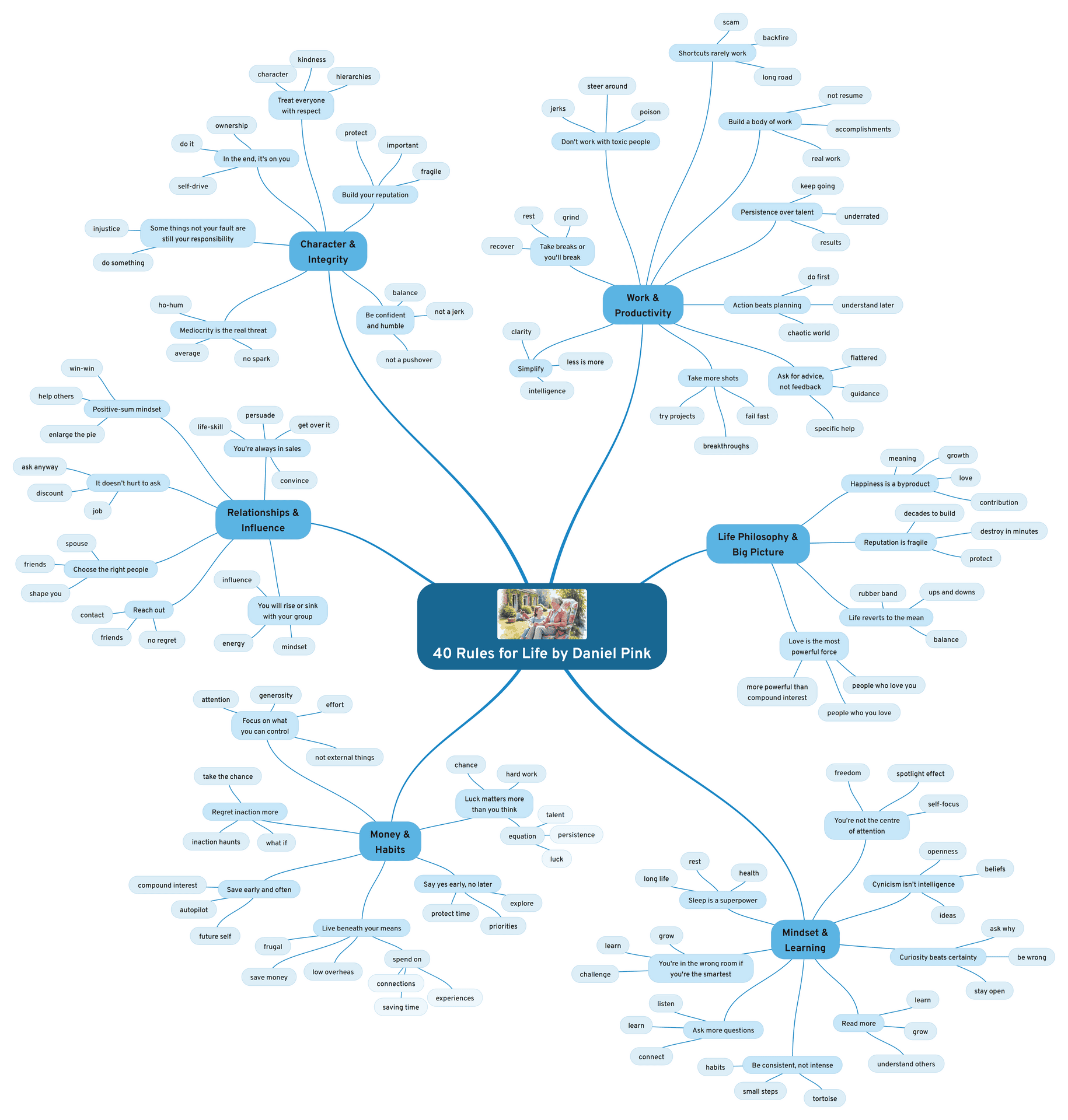
MIND-MAP

Use the mind-map to have a more in-depth discussion on these 40 rules.

lesson glossary

COMMENTS

What do you think of the ideas presented in this lesson?

Share your views and experience here.

How to Give Advice

How to Give Advice

Learn more words

THE BLUE TREE

Better
Communicator

CEF B1

CEFR B2

Upper
Intermediate

warm up

  • Are you good at giving people advice?
  • Do you like when somebody gives you unsolicited advice?
  • What can we do to help others follow our advice?

part one

key language

watch the video

COMPREHENSION

  • ⌚ 00:17 Are people generally good at giving advice?
  • ⌚ 00:56 What happens when we give advice in a bad way?
  • ⌚ 01:28 What are the three roles we need to consider when we give advice?
  • ⌚ 02:20 What is the first question we need to answer before we give advice to someone?
  • ⌚ 02:46 What should we do when someone needs social support?

part two

key language

watch the video

COMPREHENSION

  • ⌚ 03:39 What is the second question you should ask yourself before you offer advice to someone?
  • ⌚ 03:57 What is autonomy?
  • ⌚ 04:08 How do people with high autonomy react when we give them advice?
  • ⌚ 04:25 What is our role when someone is a high autonomy person?
  • ⌚ 04:39 What does it mean to be an aide?
  • ⌚ 05:35 What is a ‘boomerang effect”?

part three

key language

watch the video

COMPREHENSION

  • ⌚ 06:33 When can we become an advisor to someone?
  • ⌚ 07:40 What kind of advice can you offer to someone who is low in autonomy?
  • ⌚ 08:54 How can we tell if someone needs a friend, an aide or an adviser?

POLL

Which role is the most difficult when you offer someone advice?

×

lesson glossary

COMMENTS

How do you feel about Al’s lecture? Is this idea of a friend/aide/adviser practical? What is your experience with offering advice?

BASIC TELEPHONING LANGUAGE

BASIC TELEPHONING LANGUAGE

Sorry, but lessons on The Blue Tree work only on a computer or a tablet.

Bardzo mi przykro, ale lekcje na platformie The Blue Tree działają jedynie na komputerze lub tablecie.

Do zobaczenia na większym ekranie 🙂

Zespół The Blue Tree

Learn more words

THE BLUE TREE

Business English

CEF B1

CEFR A2

Pre-Intermediate

Practise speaking by describing this image

warm up

Answer these questions. Use the model answers to practice listening and reading.

When considering business communication, do you prefer to meet people in person, call them or write to them an email?
TRANSCRIPT

I prefer to meet people in person because it’s easier to understand each other. But if I can’t meet, I usually send an email. It gives people time to read and think. I don’t like calling much because sometimes it’s hard to hear clearly. But it can be fast if something is urgent.

TRANSCRIPT

Phones are good for quick answers. You don’t have to wait like with emails. It’s easy to ask follow-up questions. But the bad thing is that there’s no record of the call, and people might forget what you said. Also, sometimes it’s hard to understand the other person, especially if the line is bad or they speak fast.

How is business communication different today from the one before the Pandemic?
TRANSCRIPT

Before the pandemic, people met in the office more often. Now, we use video calls and send more messages online. Many people work from home, so it’s harder to talk face-to-face. But it’s also faster to connect with someone from another city or country. I think business is more digital now.

part one

Find the odd one out

Each toggle contains some telephoning language. Read and listen to these expressions. There is one expression that is not appropriate for the business context. Can you guess which one it is?

answering the phone
  • Hello, Jill Smith speaking.
  • Good morning, Top Sports Ltd.
  • Yo, who’s there?
  • Good afternoon, purchasing department, Angela Bree speaking. How can I help you?
making contact
  • I’d like to speak to Karol Wanat.
  • Push me through to your boss now.
  • Can you put me through to Mr Duckworth?
  • Could I have Marketing Department, please?
Identifying yourself
  • This is Bruce White.
  • My name’s Robert Went.
  • It’s me, don’t you recognise me?
  • It’s Bob here.
Making excuses
  • I’m sorry, he’s in a meeting.
  • I’m afraid she’s not available.
  • I’m terribly sorry, but he won’t be able to talk to you right now.
  • Stop calling him, he doesn’t want to talk to you.
Stating your purpose
  • Why haven’t you paid me yet?
  • I’m calling about your invoice.
  • I’m returning his call.
  • The reason I’m calling is that I haven’t received the money yet.
Checking understanding
  • Could you spell that?

  • Can I ask you to repeat the surname, please?
  • I didn’t get that, why can’t you speak clearly?
  • Can I read that back to you?

Asking for information
  • Could I have your name?
  • May I have your name, sir?
  • Can I take your number?
  • And your name again?
Promising action
  • I’ll make sure he gets the message.
  • I’ll pass your message to him.
  • I’ll tell her when she gets back.
  • I’ll tell him, OK, don’t sweat it.
Ending a call
  • Thank you. Goodbye.
  • Thanks for calling.
  • That’s it. I need to finish now.
  • Is there anything else?

formal vs informal

Decide if the expression on the card is appropriate for the business context or is it too informal.

PHONE CALLS

Practice reading the transcript of these short phonecalls. 

📞 Conversation 1: Asking for Someone

Receptionist: Good morning, GreenTech Ltd. How can I help you?
Caller: Hello, this is Tom Nowak. I’d like to speak to Anna Kowalska, please.
Receptionist: One moment, I’ll put you through.
Caller: Thank you.


📞 Conversation 2: Someone Is Not Available

Receptionist: Hello, HR department, Jane speaking.
Caller: Hi, this is Marek from ABC Recruitment. Could I speak to Mr. Johnson?
Receptionist: I’m afraid he’s not available at the moment.
Caller: No problem. Could you ask him to call me back?
Receptionist: Sure. I’ll pass the message.


📞 Conversation 3: Wrong Number

Receptionist: Good afternoon, Finance Department, Sarah speaking.
Caller: Hello, could I speak to David Miller, please?
Receptionist: I’m sorry, I think you have the wrong number.
Caller: Oh, I see. Sorry for the mistake.
Receptionist: No problem. Goodbye.
Caller: Goodbye.


📞 Conversation 4: Stating the Purpose

Receptionist: Purchasing department, John speaking.
Caller: Hello, this is Eva Zielińska. I’m calling about the delivery.
Receptionist: Yes, can you give me your order number?
Caller: Sure, it’s 3857.
Receptionist: Got it. I’ll check and get back to you soon.


📞 Conversation 5: Leaving a Message

Receptionist: Hello, Marketing Department.
Caller: Hi, this is Robert Smith. Can I speak to Ms. Lee?
Receptionist: I’m sorry, she’s in a meeting right now.
Caller: OK, could you tell her I called?
Receptionist: Of course. I’ll make sure she gets the message.

part two

Time for a little test. Do you remember the exact words which were used in the following telephoning expressions?

Score more than 60% and get a beautiful certificate.

Ready. Steady. GO!

1.

A: Hello, Jill Smith .
B: Hi, Jill. It's Bob here. Do you have a second?

2.

A: Can you put me to Mr Duckworth?
B: Sure, no problem.

3.

A: is Bruce White.
B. Hi, Bruce, it's Sarah here.

4.

A: I’m calling your invoice.
B: Yes, is there something wrong with it?

5.

A: Can I speak to Mr Nichols, please?
B: I’m afraid she’s not .

6.

A: May I have your , sir?
B: Of course, it's Walters, Josh Walters.

7.

A: The account number is PL5899 0000 2338 1284
B: Can I read that to you?

8.

A: Could you tell him that Mr Rogers needs to speak to him urgently?
B: I’ll make he gets the message.

9.

A: Is there anything I could help you with?
B: No, thanks, that's all.

10.

A: Is Ms Grisham in the office today?
B: Yes, she is, but she’s in a now.

DOWNLOAD

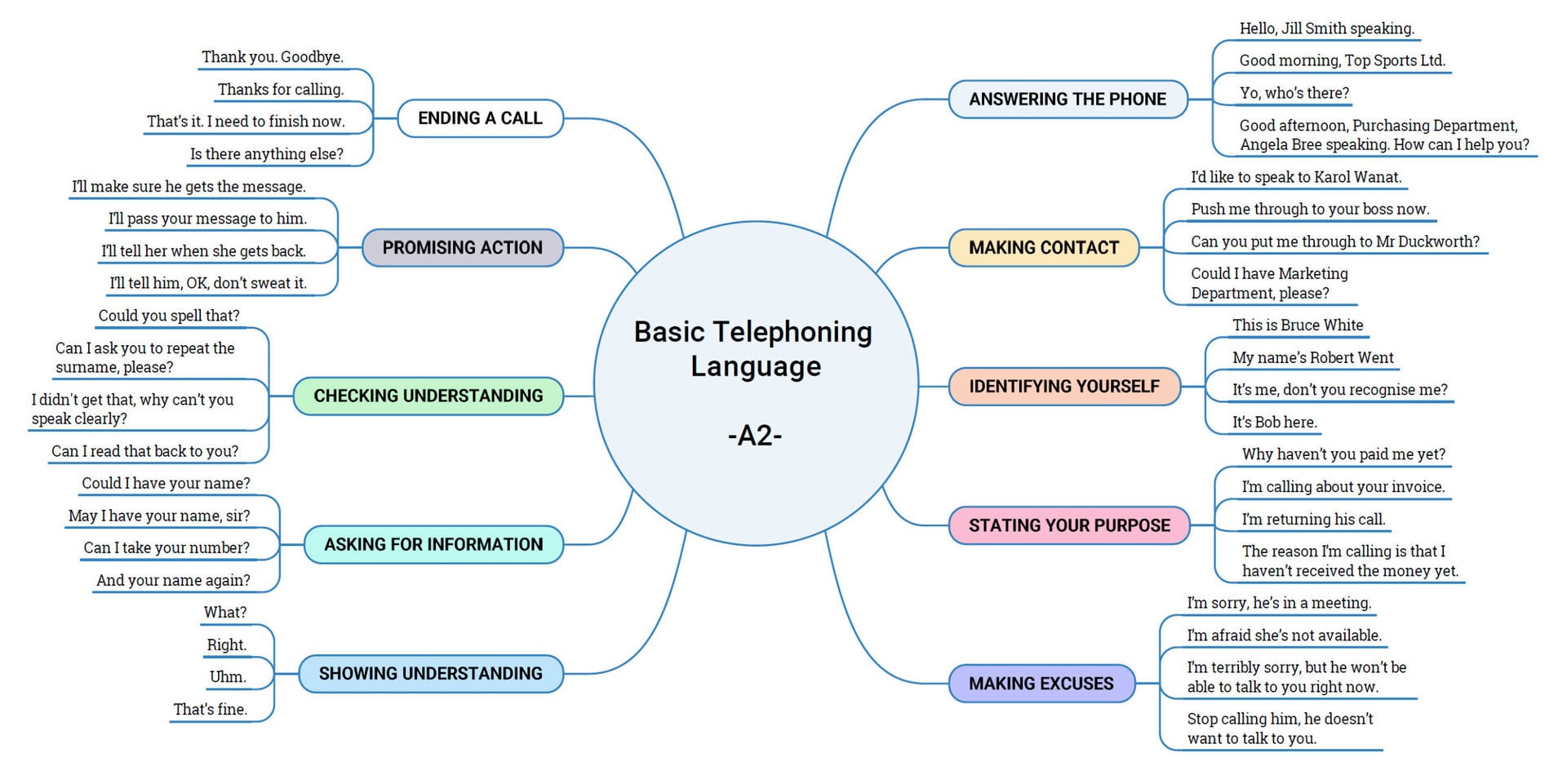
Study the mind-map below to remember the basic telephoning expressions from this lesson. 

You can also download the mind-map in a PDF format.