


Bardzo mi przykro, ale lekcje na platformie The Blue Tree działają jedynie na komputerze lub tablecie.
Do zobaczenia na większym ekranie 🙂
Zespół The Blue Tree
back to HOME > Personal Development > Personal Productivity >

THE BLUE TREE
Personal
Productivity

CEFR C1
Advanced
warm up
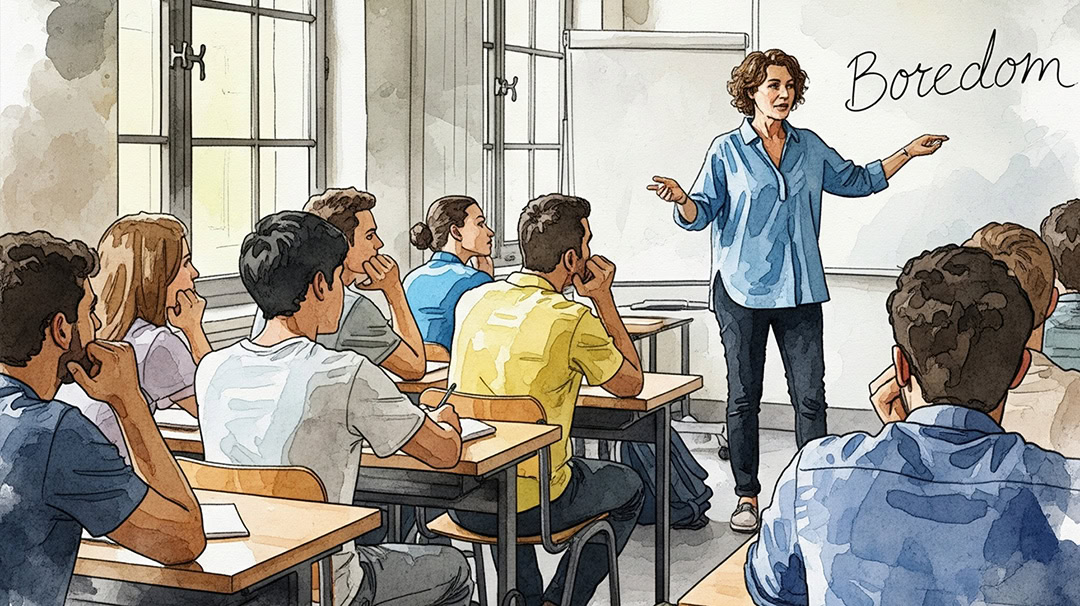
Answer the questions below. Then listen to the model answers and think how you could improve yours.
| When was the last time you felt really bored? What did you do? |
TRANSCRIPT
The last time I felt really bored was during a long bus ride last month. I had already finished my book, and my phone battery was almost dead, so I couldn’t use it. At first, I felt restless and annoyed. But then I started looking out of the window, daydreaming, and thinking about my plans for the future. Surprisingly, the time passed more quickly than I expected.
| Do you think boredom is good or bad? Why? |
TRANSCRIPT
I think boredom can be both good and bad. On the one hand, it feels uncomfortable, and people usually want to escape from it quickly, for example by checking their phone. On the other hand, boredom gives our brain time to relax and wander. Sometimes the best ideas come when we are not busy. So I believe boredom is useful if we don’t run away from it immediately.
| How much time do you spend on your phone every day? |
TRANSCRIPT
I probably spend too much time on my phone every day, maybe around four hours. I use it to check the news, scroll through social media, and chat with friends. Some of this time is important, but I know a lot of it is just a habit. I’ve noticed that when I put my phone aside in the evening, I feel calmer and sleep much better.
part one

Lecture on boredom
Read this short lecture on boredom. It is based on the video material we are going to see later in this lesson.
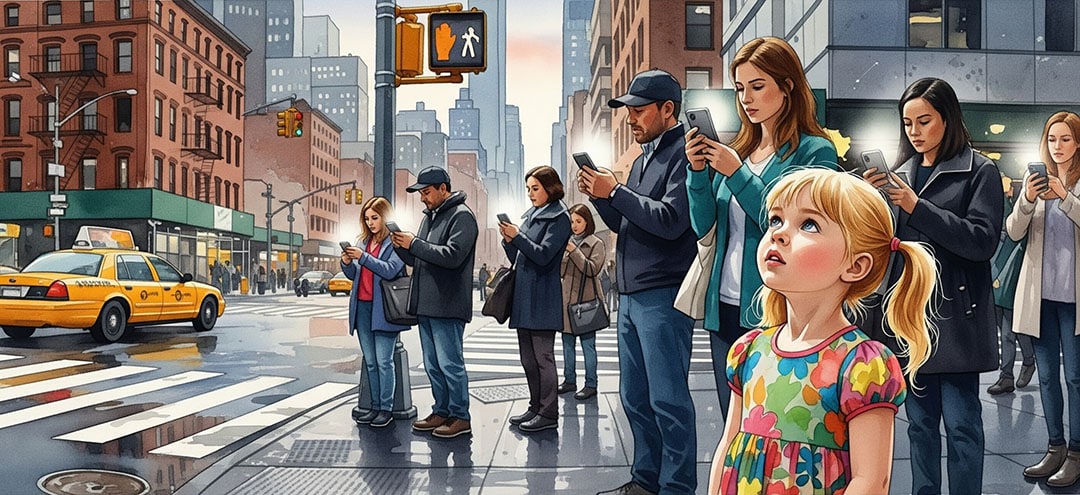
So, imagine your brain is like a very busy city. When you’re constantly on your phone, watching videos, or scrolling through social media, all the roads are full of traffic. Your brain is working hard, but it’s just reacting to things.
But what happens when you get bored? That’s when something really cool happens. The traffic clears up, and your brain’s “default mode network” kicks in. Think of this like a special highway for your deep thoughts. It’s when you can think about important life questions, get creative, and maybe even figure out what you really want to do with your life.
The problem is, we’ve gotten so used to having our phones with us that we get uncomfortable with this quiet time. There is this study where people would rather give themselves a little electric shock than just sit with their own thoughts for 15 minutes! Can you believe that?
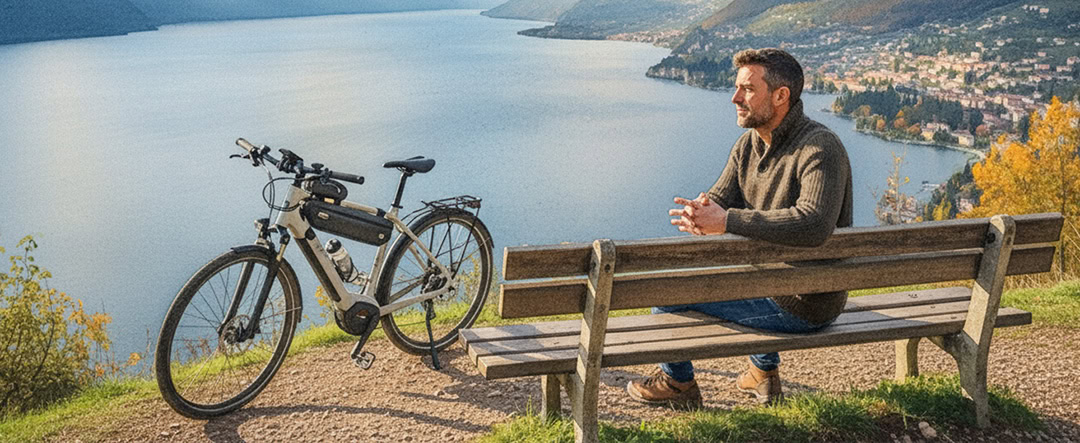
So, what’s the solution? You can try leaving your phone at home when you go to the gym, or maybe have a rule that you don’t use devices after a certain time in the evening. The idea is to give your brain a break from the constant noise and let it wander a bit.
The big takeaway here is that boredom isn’t a bad thing. It’s actually a gift that can help you feel happier and find more meaning in your life. So next time you’re bored, don’t reach for your phone. Just let your mind do its thing!

COMPREHENSION
Answer these questions about boredom.
1 How is our brain like a busy city?
2 What happens when we are bored?
3 How do people feel about this quiet time and why is it a problem?
4 What did people choose in one study not to feel bored?
5 What is the main message or “big takeaway” from this lecture?
part two
KEY LANGUAGE
Stude these words. Make sure you understand them well before you watch the video.
VIDEO
Watch the first part of the video.

COMPREHENSION
Answer these questions. Refer to the information from the video.
- ⌚ 0:06 What will we lack if we are not bored?
- ⌚ 0:26 What does being bored activate in our brain?
- ⌚ 0:44 How do people feel when the Default Mode Network is switched on?
- ⌚ 1:07 How did people react in the empty room experiment?
- ⌚ 1:29 What does our mind start to think about when it is bored?
- ⌚ 1:42 What do current generation doesn’t know about in comparison to previous ones?
part three
KEY VOCABULARY
Go through this set of flashcards.
VIDEO
Watch the second part of the video.
COMPREHENSION
Answer these questions. Refer to the information from the video.
- ⌚ 1:51 Why aren’t we even looking for these answers?
- ⌚ 2:03 How did we almost completely shut down the Default Mode Network?
- ⌚ 2:26 Is this good or bad that we have eliminated boredom?
- ⌚ 2:35 What may be a remedy for depression and anxiety?
- ⌚ 3:00 What does the speaker promise will happen if we leave our phones away?
- ⌚ 3:15 What experiment does he encourage us to do?
- ⌚ 3:39 What are the benefits of getting bored?
part four
KEY VOCABULARY
Make sure you know all the vocabulary items from these flashcards. Read the examples aloud.
VIDEO
Watch the last part of the video.
COMPREHENSION
Answer these questions. Refer to the information from the video.
- ⌚ 3:46 Does the speaker follow his own advice?
- ⌚ 3:59 What’s the No Device Policy about?
- ⌚ 4:09 Why don’t they use phones during meals?
- ⌚ 4:18 What’s the third strategy that the speaker mentioned?
- ⌚ 4:44 What does these periods of social media fasting remind him of?
- ⌚ 5:03 What do people worry about when they are disconnected?
- ⌚ 5:23 What is not an emergency?
- ⌚ 5:43 What message does he have for his kids?
POLL
Cast your vote in the poll below.
DISCUSSION
Dialogue
Read or role-play this dialogue.
Pete: (chuckling) Alita, you walk around glued to your phone as if it were an extra limb. Don’t you ever switch off?
Alita: Oh, come on, Pete. You make it sound worse than it is. But honestly, I do get a bit anxious without it. Silence feels so dull these days.
Pete: That’s exactly the point. We’re so used to constant distraction that even five minutes of peace feels tedious. I was bored to death waiting for the bus yesterday, but then I actually started thinking about some new ideas for work.
Alita: That’s interesting. When I’m fed up, I normally just scroll through social media to kill time. But I suppose boredom has its benefits—it forces the mind to wander.
Pete: Exactly. It’s not always a bad thing. Having a short attention span because of our phones makes it harder to just sit with our own thoughts.
Alita: You’re right. Maybe we should make a pact: next time we feel restless, we’ll resist the urge to check our phones straight away.
Pete: Deal. Let’s give boredom a fair chance. Who knows? It might even make life a bit more meaningful.
OVER TO YOU
Discuss these questions.
 | Pete says Alita is “glued to her phone.” Do you know anyone like that? How do you feel when you spend too much time on your phone? |
| What’s the most tedious or dull task you’ve had to do recently? Did you find a way to make it less boring? |
| Some people say they are “bored to death” during long meetings or classes. Do you think boredom in these situations can actually spark creativity, or is it just wasted time? |
| How do you usually kill time when you are waiting for something (e.g., at the bus stop, in a queue, during a commute)? |
| Alita and Pete make a promise to give boredom “a fair chance.” Would you be willing to do the same? How would you cope with the restlessness of not checking your phone? |
MIND-MAP
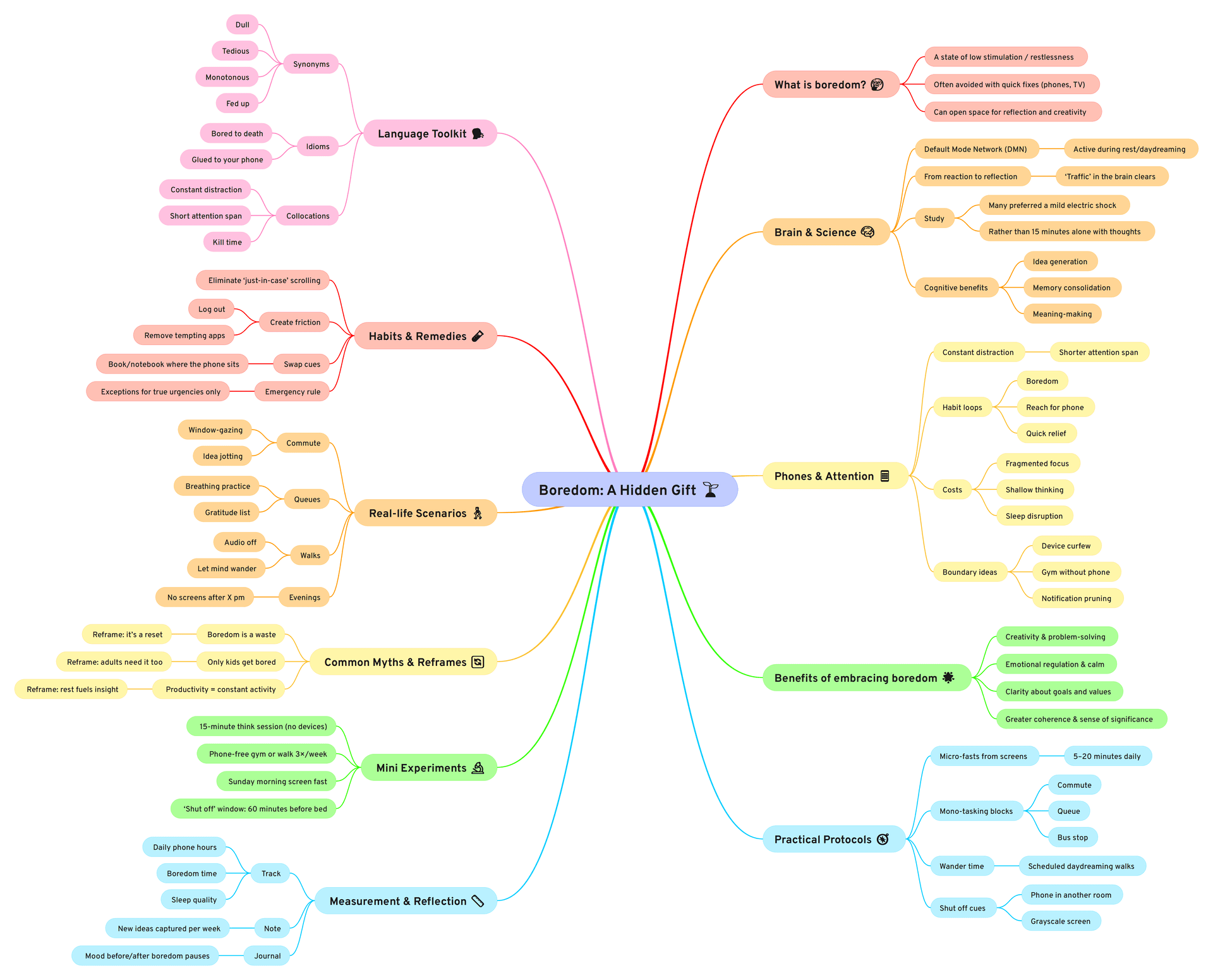
Use the mind-map below to have a more in-depth conversation about this topic.
COMMENTS
Share your views and experience here.
0 Comments