


Bardzo mi przykro, ale lekcje na platformie The Blue Tree działają jedynie na komputerze lub tablecie.
Do zobaczenia na większym ekranie 🙂
Zespół The Blue Tree
back to HOME > Learning English > Everyday English >

THE BLUE TREE
Everyday English

CEFR B1
Intermediate
part one

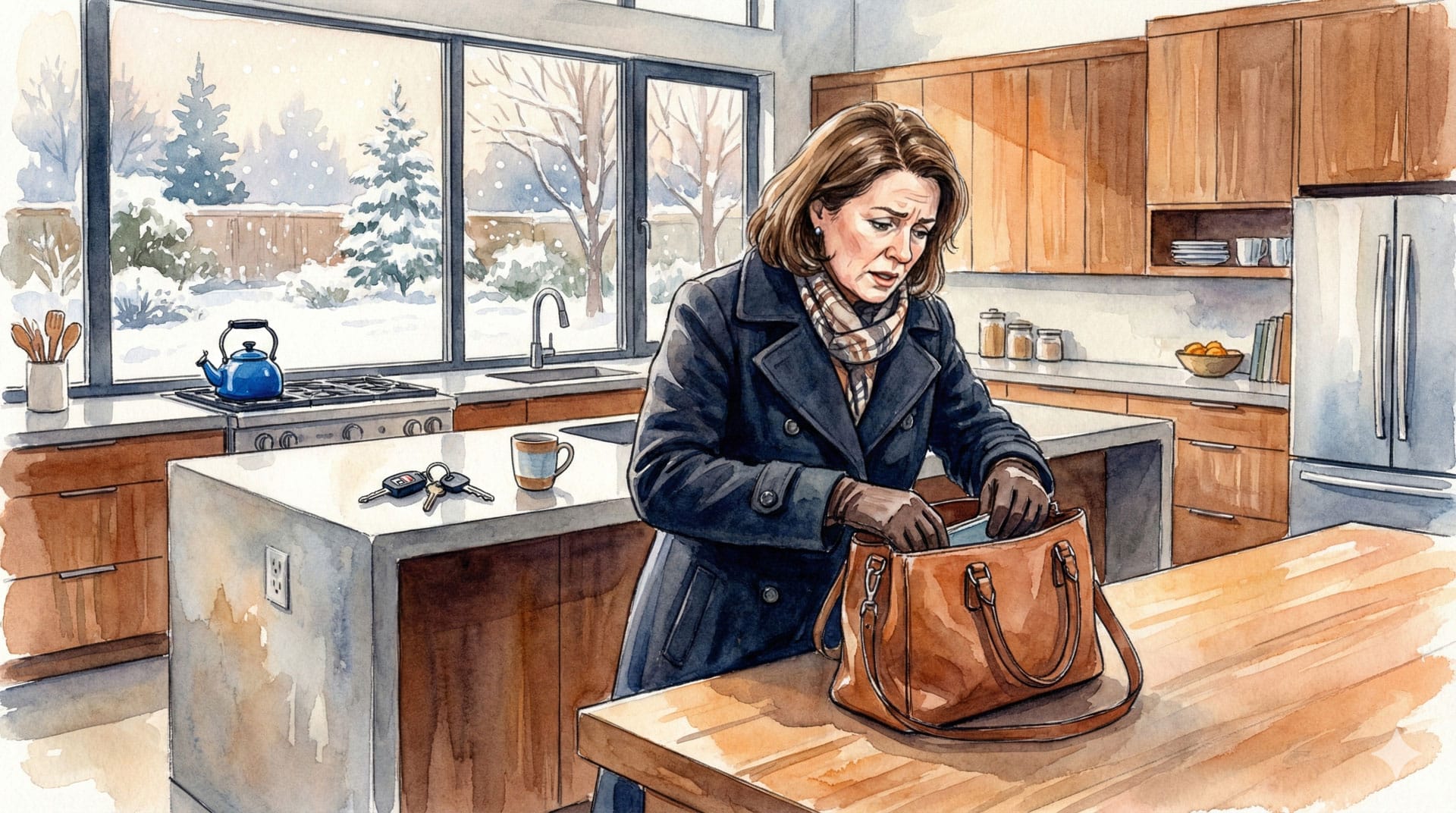
General View of Memory
Study the flashcards below.

Questions for discussion
Discuss these questions. Listen to the model answer and read the transcript.
| Do you have a good memory? |
TRANSCRIPT
I think I have quite a good memory, especially for conversations and emotional moments. I remember some situations very vividly, even small details. But when it comes to names, I sometimes struggle — the name escapes me, even if I know the person well. It’s funny because later it’s on the tip of my tongue, and then suddenly it’s coming back to me. So maybe my memory is selective rather than perfect.
| In what situations does your memory work best, and when does it usually fail you? |
TRANSCRIPT
My memory works best when I’m relaxed and genuinely interested in something. For example, I remember conversations with friends very vividly, especially if they were emotional or funny. But under pressure, my memory sometimes fails me. During exams or presentations, I can suddenly be drawing a blank, even if I revised regularly. Later, when I calm down, it’s coming back to me. I guess stress really affects how our brain filters information.
| Do you think it is possible to improve your memory through practice? |
TRANSCRIPT
Yes, I definitely think it’s possible to improve your memory through practice. Our brain works like a muscle — the more you train it, the stronger it becomes. When I revise regularly and use repetition, information stays in my head much longer. Of course, sometimes I’m drawing a blank, especially under stress, but later it’s coming back to me. So I believe patience and consistent practice really make a difference.
part two
Personal Memories
Study the flashcards below.
Questions for discussion
Discuss these questions. Listen to the model answer and read the transcript.
| What is your most pleasant memory from childhood? |
TRANSCRIPT
One of my most pleasant memories from childhood is spending long summer evenings at my grandparents’ house. I have very fond memories of playing in the garden until it got dark and then listening to stories inside. I remember it vividly — the smell of fresh grass and the warm light in the kitchen. Even now, certain songs or smells bring back memories of that peaceful time.
| Have you ever forgotten something important and gotten into trouble because of it? |
TRANSCRIPT
Yes, I have — and it still makes me cringe when I think about it. Once, I completely forgot about an important school presentation. It slipped my mind because I was busy with other things. The next morning, when the teacher called my name, I was drawing a blank. For the life of me, I couldn’t explain why I wasn’t ready. I definitely learned to write important dates down after that.
| Which types of memories stay with people the longest: emotional, surprising, painful, or joyful ones? Why? |
TRANSCRIPT
I think emotional memories stay with people the longest, especially the ones that are very joyful or very painful. When something touches us deeply, it becomes etched in our memory. Even years later, we can remember it vividly. Surprising moments are strong too, but emotions make experiences more personal. That’s why certain smells, songs, or places bring back memories immediately — because they are connected to strong feelings.

part three
Remembering Strategies
Study the flashcards below.
Questions for discussion
Discuss these questions. Listen to the model answer and read the transcript.
| When you are learning something new, what do you do to remember it better? |
TRANSCRIPT
When I’m learning something new, I try to memorise it step by step instead of all at once. I revise regularly and use repetition because it really helps me remember. I also make associations, especially visual ones, so I store information more easily. If something is very important, I write it down so I don’t forget. For me, consistency is the key to making new knowledge stay longer.
| Have you ever kept a journal to record your thoughts or important events in your life? |
TRANSCRIPT
Yes, I have kept a journal at different moments in my life, especially when I felt confused or stressed. Writing things down helped me organise my thoughts and understand my feelings better. Sometimes, when I read old entries, it brings back memories I had almost forgotten. It’s interesting how some moments are etched in my memory, while others need a small reminder from the past.
| What habits or routines help people remember information more effectively? |
TRANSCRIPT
I think regular habits make a big difference. For example, if people revise regularly and use repetition, information stays in their memory much longer. It also helps to make associations or store information visually, like using diagrams or mind maps. Writing things down and keeping track of important dates can prevent problems later. In my opinion, small daily routines are more effective than last-minute studying.
part four
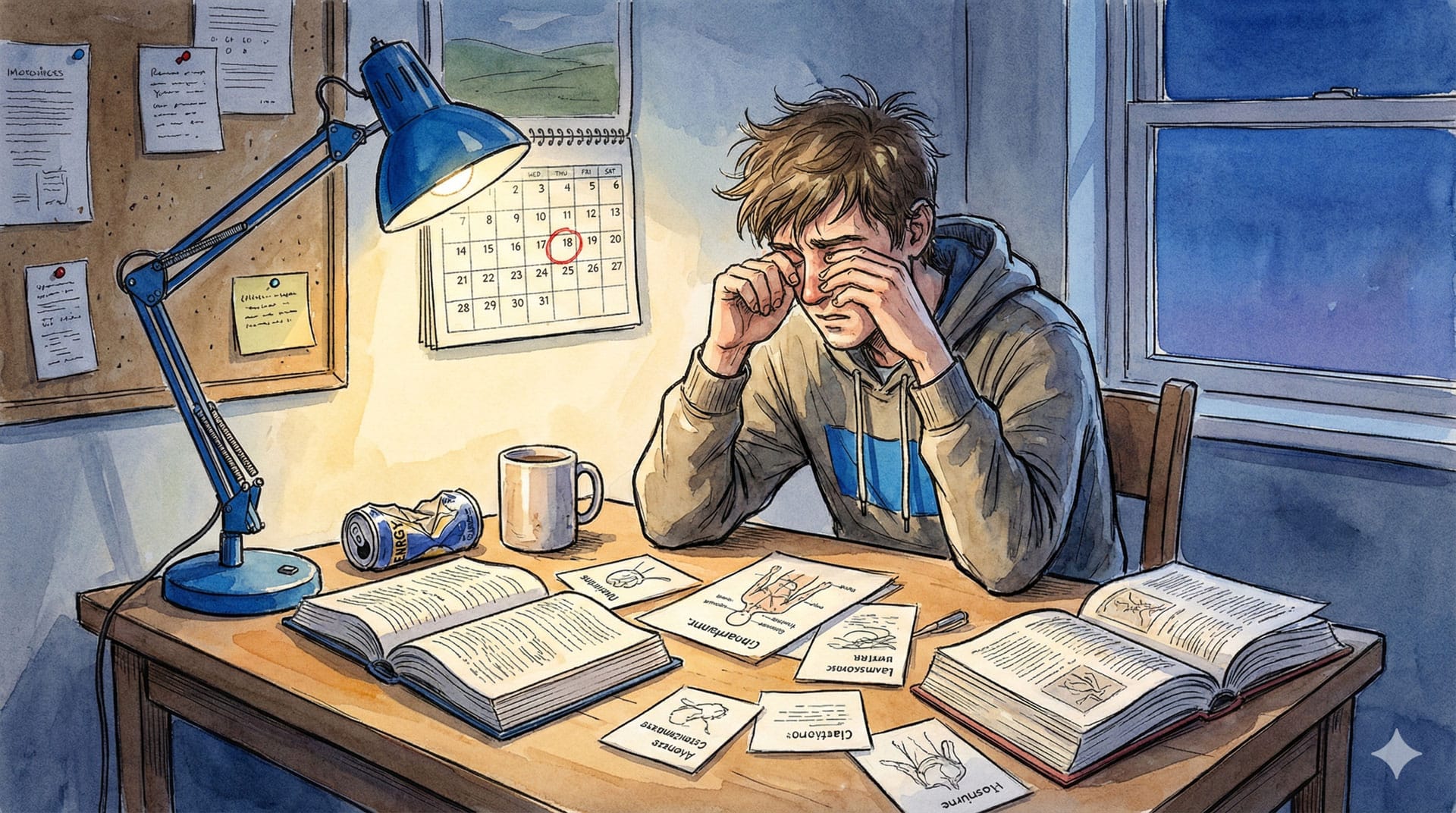
Reflective Memory
Study the flashcards below.
Questions for discussion
Discuss these questions. Listen to the model answer and read the transcript.
| Do you have any idea why we remember some things very well and forget others completely? |
TRANSCRIPT
I think we remember some things better because they are connected to strong emotions. If something is joyful, painful, or surprising, it’s etched in our memory and stays with us for years. On the other hand, everyday details often fade over time because our brain filters information and keeps only what seems important. Memory is selective, so we don’t store everything — only what really matters to us.
| How does modern technology influence the way people remember things today? |
TRANSCRIPT
I think modern technology has changed the way we remember things a lot. Today, we don’t always try to memorise information because we know we can find it online in seconds. Sometimes we just store information digitally instead of in our heads. At the same time, constant notifications can create a short attention span, which makes it harder to focus deeply. Our brain filters information differently when we are always distracted.
| Many people believe that forgetting can be as important as remembering. Why might this be true? |
TRANSCRIPT
I think forgetting can be just as important as remembering because our brain cannot keep everything. If we remembered every small detail, we would feel overwhelmed. Sometimes forgetting is a coping mechanism, especially after painful experiences. It helps us move forward instead of living in the past. Also, when some memories fade over time, we can focus more on what really matters in the present.

COMMENTS
Submit your views and opinions below.
0 Comments