FUNCTIONS:

Agreeing

Disagreeing

Hesitating

Introducing your opinion

Asking for opinions

Expressing preferences

Asking for clarification

Expressing likelihood

Speculating, guessing

Advice and recommendations

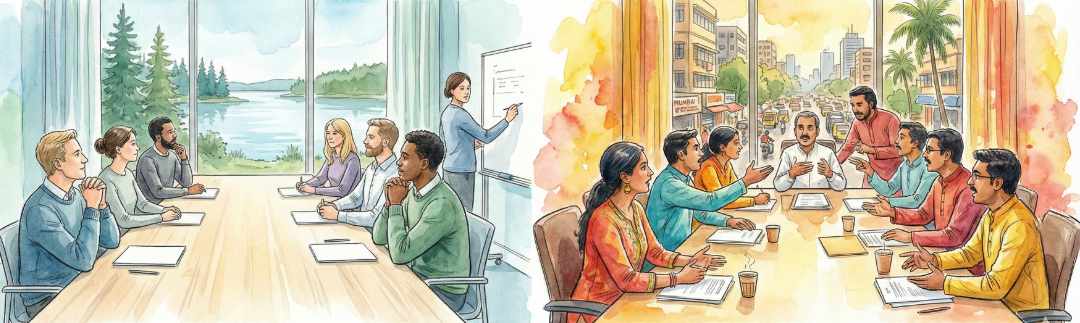
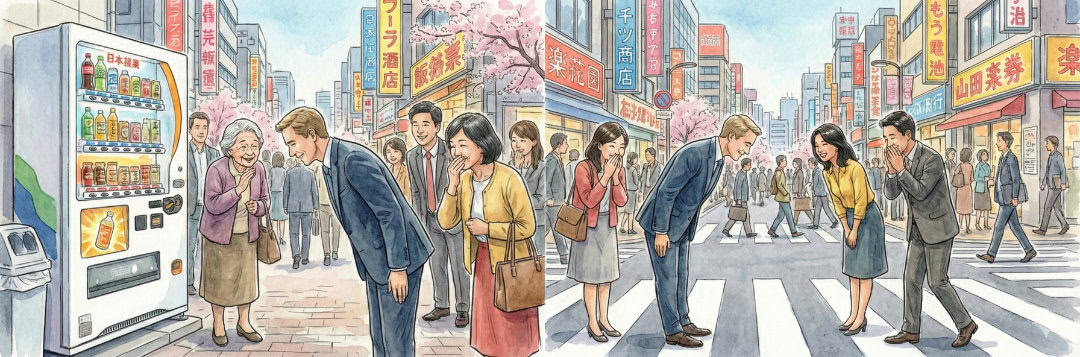
Describing a picture

Agreeing

I think you’re right

I would go along with the idea

I completely agree with you

That makes perfect sense

You have a point there

Absolutely, that’s spot on!

I couldn’t agree more

Disagreeing

That’s not how I see it

I couldn’t agree less

You must be kidding

That’s a ridiculous idea, don’t you think?

With all due respect, I must disagree

I’m afraid I can’t see it that way

No way, that’s nonsense!

Hesitating

I’m in two minds about it

I have some reservations regarding that

I’m not entirely convinced

There’s something that gives me pause

While I’m not entirely opposed, I do have some doubts

Introducing your opinion

To my mind

I reckon

In my opinion

As I see it

It seems to me

I would argue

From my point of view

Asking for opinions

Don’t you think …?

What’s your attitude to …?

What’s your opinion of …?

Are you in favour of …?

What’s your position as regards …?

You don’t support …, do you?

Expressing preferences

I prefer…

I would rather…

My preference would be…

I tend to favour…

If I had to choose, I would…

I lean towards…

I am inclined to…

I’m a big fan of…

I really enjoy…

I’m into…

I absolutely love…

I’m crazy about…

I’m fond of…

It’s right up my alley

It’s my thing

I can’t get enough of…

It appeals to me

It’s growing on me

I wouldn’t miss it for the world

I’m not a big fan of…

I don’t really enjoy…

I’m not into…

I can’t stand…

I’m not fond of…

It’s not my cup of tea

It doesn’t do anything for me

I’m sick of…

It gets on my nerves

It puts me off

I’d rather not…

It leaves me cold…

Asking for clarification

Could you please elaborate on that?

Would you mind explaining that further?

I’m not quite sure I understand. Could you clarify?

Could you provide more details?

Can you expand on that point?

Expressing likelihood

“It’s a foregone conclusion that…”

“There’s no doubt in my mind that…”

“I am almost certain that…”

“It’s highly likely that…”

“Chances are that…”

“I wouldn’t be surprised if…”

“It’s possible that…”

“There’s a chance that…”

“It’s unlikely that…”

“I doubt that…”

Speculating, guessing

“It seems to me that…”

“My gut feeling is that…”

“From what I gather…”

“If I were to guess…”

“It would appear that…”

“I reckon that…”

“I suspect that…”

“In all likelihood…”

“There’s a distinct possibility that…”

“It’s plausible that…”

Advice and recommendations

“You might want to consider…”

“Perhaps you could try…”

“If I were you, I would…”

“One thing you could do is…”

“Have you thought of…”

“May I suggest…”

“It might be beneficial to…”

“Consider this approach…”

“Why not give this a go…”

“If it were up to me, I’d…”

Describing a picture

“In the foreground…”

“In the background…”

“In the center of the image…”

“On the left side of the picture…”

“On the right side of the picture…”

“At the top of the picture…”

“At the bottom of the picture…”

“The picture depicts…”

“The image illustrates…”

“The photograph shows…”

“One can see…”

“Notice how…”

“This scene captures…”

“This photograph highlights…”

DICTIONARY

Add new and interesting words from this lesson to your English dictionary.

Store your words and expressions in this handy dictionary. You can create groups and play games based on your entries. There is also a practical importing feature.

You must log in to see content.

Sorry, but lessons on The Blue Tree work only on a computer or a tablet.

Bardzo mi przykro, ale lekcje na platformie The Blue Tree działają jedynie na komputerze lub tablecie.

Do zobaczenia na większym ekranie 🙂

Zespół The Blue Tree

Learn more words

THE BLUE TREE

Culture

CEF B1

CEFR B2

Upper
Intermediate

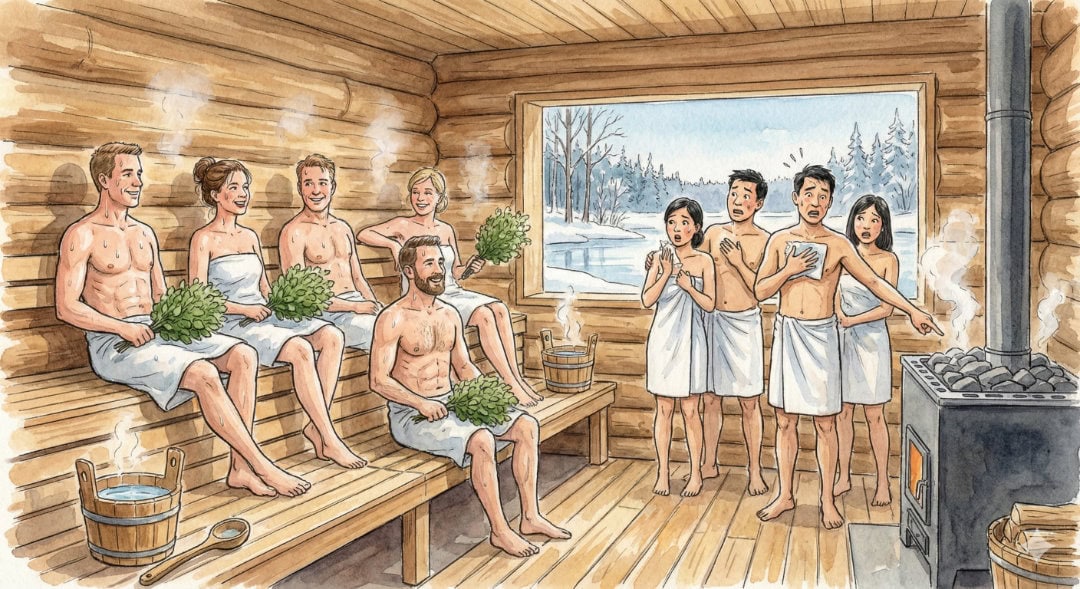
Practice speaking by describing this image

warm up

Answer the questions below. Then listen to some model answers.

TRANSCRIPT

Yes, I have. When I first worked with a team in Germany, people expected them to be extremely serious and strict about rules. In reality, they were very friendly and had a great sense of humour. They were organised, yes, but not cold at all. It taught me that stereotypes may contain a small truth, but they never describe the whole person.

What strategies can help us show respect and tolerance when working with colleagues from different cultures?
TRANSCRIPT

For me, the key is curiosity. I try to ask questions instead of making assumptions. I also observe how people communicate—some are direct, while others are more diplomatic. Listening carefully and not interrupting helps a lot. And finally, I always check my tone, because what feels normal in one culture may sound rude in another. Small adjustments can make cooperation much smoother.

Should people adapt their behaviour when working abroad, or stay true to their usual style? Why?
TRANSCRIPT

I think we should find a balance. When we work abroad, it’s respectful to adjust to local expectations—things like punctuality, communication style, or meeting etiquette. But we shouldn’t pretend to be someone else. If we adapt too much, we lose our authenticity, which is also important in business. So for me, it’s about being flexible but still keeping your own values and personality.
part one

READING

Read a short article about diversity and tolerance and discuss the questions that follow.

Diversity and Tolerance in International Business

When people talk about cultural differences, they often use simple examples: “Americans are outgoing and informal,” or “British people are reserved.” Many of us feel that there is a grain of truth in these ideas. But as soon as we say them aloud, we immediately remember that reality is far more complicated. Age, personal background, education, family values, region, and personality can all influence how someone behaves.

So what’s the real point?
The main message is that our way is not the only way. Other cultures may communicate, plan, negotiate, or make decisions differently. It doesn’t mean they are wrong. It simply means that people learn different habits and expectations from the society around them.

In an international business environment, this awareness becomes extremely useful. When we meet colleagues or clients from other countries, the first step is to observe and listen. Notice how they speak—do they get straight to the point, or do they build a bit of small talk first? Do they prefer written communication, or do they like a quick call? Do they expect clear decisions from the leader, or do they want every voice to be heard?

We do not have to change who we are. Nobody expects us to throw away our personality or forget our customs. But it does help to be flexible. For example:

  • If your colleague comes from a culture with strict punctuality, be on time—even five minutes early.
  • If your client prefers indirect communication, avoid being too blunt.
  • If your team values open discussion, speak up and share your ideas.
  • If your partner prefers a relationship-based style, invest time in getting to know them—maybe over coffee or a longer lunch.

These small adjustments are not about pretending or “putting on a mask.” They show that we understand differences and that we care about cooperation. In return, we also have the right to expect the same respect from others.

In short, successful international business depends on both tolerance and curiosity. When we stay open-minded and willing to learn, we build trust more easily. And trust, as many leaders will tell you, is the real foundation of effective teamwork across cultures.

towarzyski, otwarty

powściągliwy, skryty

ziarnko prawdy

świadomość

przechodzić prosto do sedna

bezpośredni do granic, obcesowy, zbyt szczery

odezwać się, zabrać głos, mówić otwarcie

 chętny, gotowy (coś zrobić)

DISCUSSION

Answer these questions about the article and your own experience.

BulletWhy does the article say that stereotypes contain “a grain of truth”?
BulletWhat are some signs you can observe to understand how someone prefers to communicate?
BulletWhy does the article argue that we don’t need to change our personality when working internationally? 
BulletWhich of the practical examples (punctuality, indirect communication, building relationships, etc.) do you find most useful in your work? Why?
BulletWhat does the text say about flexibility and cooperation?

NATIONAL IDIOSYNCRACIES

Listen to some people talking about times when they experienced some quirk traditions and customs on their travel or business trips.

For each person, answer these questions:

1. Which nationality are they talking about?

2. What’s the quirk about? 

part two

GET TO KNOW YOURSELF

Do the poll below. Learn about your preferences in 18 different cultural dimentions. 

NATIONAL DIFFERENCES

When we talk about cultural differences, experts often compare opposite behaviours or values and show where different countries sit on this scale. Below is a simple version of some common cultural contrasts. Many of them are connected to each other. Remember, these descriptions are neutral — they don’t say that one way is better or worse. They simply help us understand how people from different cultures might think or behave.

1. Outgoing / Informal vs Private / Reserved

  • Outgoing / Informal: People share their thoughts and feelings easily, even with acquaintances.

  • Private / Reserved: People open up slowly and usually only with close friends or family.

outgoing / informal
private / reserved
2. Live to Work vs Work to Live

  • Live to Work: Career success is a big part of life and identity.

  • Work to Live: Work is important, but enjoying life and reducing stress comes first.

live to work
work to live
3. Order vs Flexibility

  • Order: Rules must be followed because they keep society functioning well.

  • Flexibility: Rules can be bent when the situation, people, or common sense requires it.

order
flexibility
4. Hierarchical vs Democratic

  • Hierarchical: Clear direction from leaders is needed; authority guides the team.

  • Democratic: Everyone’s voice matters and decisions should be shared.

Hierarchical
Democratic
5. Loose Time vs Strict Time

  • Loose Time: Deadlines are flexible; being a bit late is not a big issue.

  • Strict Time: Deadlines must be respected; being late means failing.

Loose Time
Strict Time
6. Formal Names vs Informal Names

  • Formality: People use titles like Mr., Doctor, or Professor when addressing others.

  • Informality: People quickly switch to first names, even with superiors.

Formal Names
Informal Names
7. Expressive Body Language vs Restrained Body Language

  • Expressive: People gesture, move, and show feelings openly in conversations.

  • Restrained: People use subtle expressions and avoid too much physical contact.

Expressive Body Language
Restrained Body Language
8. Large Personal Space vs Close Personal Space

  • Large Personal Space: People prefer more distance when talking.

  • Close Personal Space: People stand closer and feel it’s natural.

Large Personal Space
Close Personal Space
9. Self-Determination vs Fatalistic

  • Self-Determination: People believe they shape their own lives through choices.

  • Fatalistic: People believe life is controlled by destiny, God, or outside forces.

Self-Determination
Fatalistic

10. Personal Fulfilment vs Group Fulfilment

  • Personal Fulfilment: Individual effort and achievement are valued.

  • Group Fulfilment: Harmony and group needs come before individual goals.

Personal Fulfilment
Group Fulfilment
11. Merit vs Standing

  • Merit: Respect is earned by hard work and achievements.

  • Standing: Respect is given based on age, status, or social position.

Merit
Standing
12. Relationship vs Task

  • Relationship: Good personal connection leads to good work.

  • Task: Good work comes first; personal connection may develop later.

Relationship
Task
13. Welcoming Risk vs Avoiding Risk

  • Welcoming Risk: “Go for it!” Trying new things is exciting.

  • Avoiding Risk: “Better safe than sorry.” It’s safer to avoid uncertain outcomes.

Welcoming Risk
Avoiding Risk
14. Innovative vs Traditional

  • Innovative: New ideas and change are exciting and positive.

  • Traditional: If something works well, there’s no need to change it.

Innovative
Traditional
15. Open Disagreement vs Subtle Disagreement

  • Open Disagreement: Debate is healthy; direct discussion leads to better decisions.

  • Subtle Disagreement: People avoid embarrassing others and use polite hints to disagree.

Open Disagreement
Subtle Disagreement


Well done! You're almost there!

16. Multi-tasking vs Linear Tasking

  • Multi-tasking: People handle several tasks at the same time.

  • Linear Tasking: People focus on one task, finish it, then move on.

Multi-tasking
Linear Tasking
17. Lunch is a Snack vs Lunch is a Pleasure

  • Lunch is a Snack: A quick bite — business continues without interruption.

  • Lunch is a Pleasure: A long lunch is a moment to relax and build relationships.

Lunch is a Snack
Lunch is a Pleasure
18. Pride in Your Country vs Foreign is Best

  • Pride in Your Country: People strongly value their own culture and achievements.

  • Foreign is Best: People believe things from abroad are usually better.

Pride in Your Country
Foreign is Best

PEOPLE AROUND US

Use the poll above to describe some people you interact with. How similar or different are they to you?

COMMENTS

Share your views and experience here.

0 Comments

Submit a Comment