


Bardzo mi przykro, ale lekcje na platformie The Blue Tree działają jedynie na komputerze lub tablecie.
Do zobaczenia na większym ekranie 🙂
Zespół The Blue Tree

THE BLUE TREE
Opinions

CEFR B2
Upper
Intermediate
part one

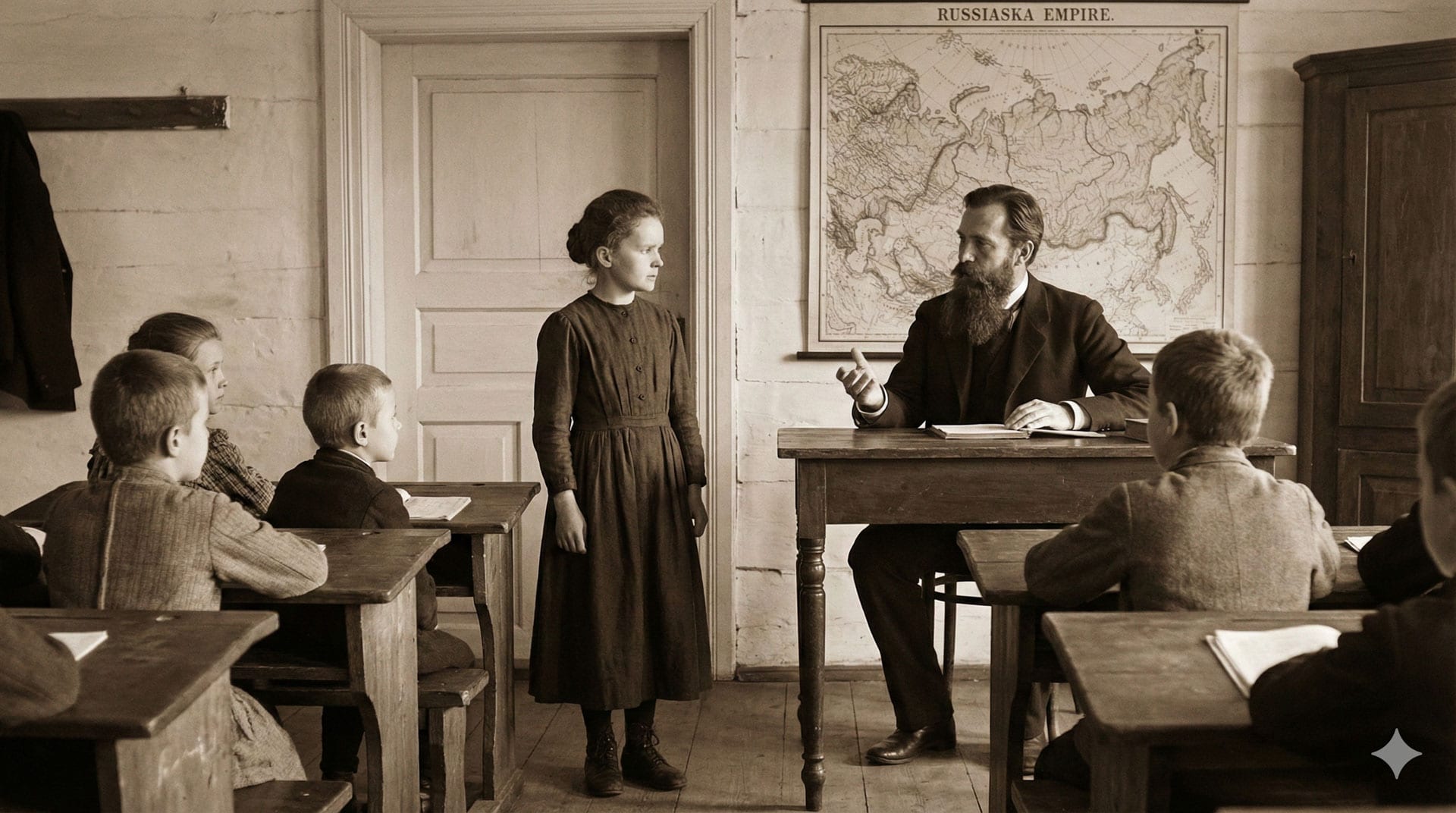
Poland under Russian Tzar
What did those times require to maintain our national identity?
Is there a lesson for us these days?

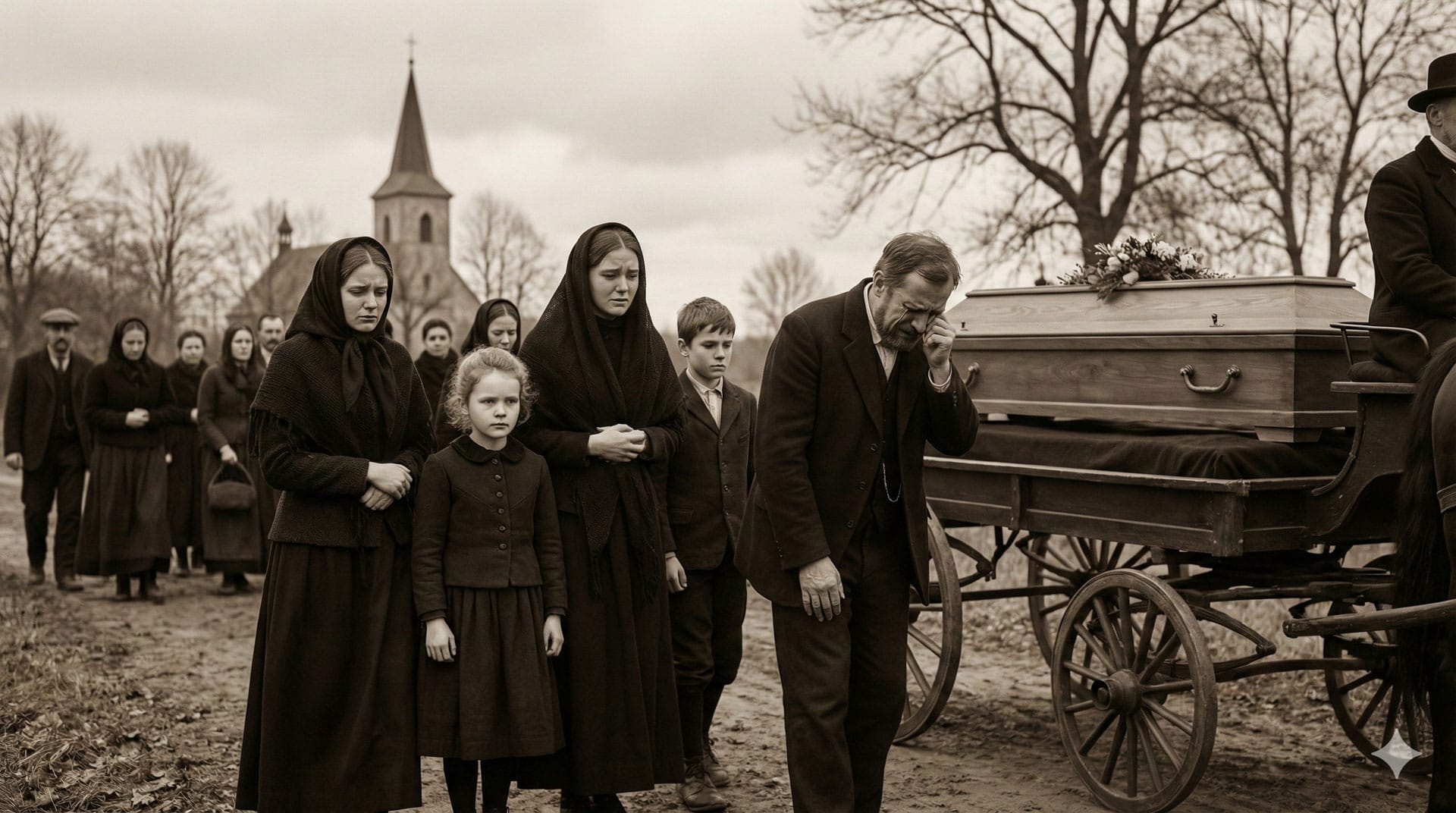
Losing their mother
What effect can a loss of a parent have on children?
How can such an event affect relationships among siblings?

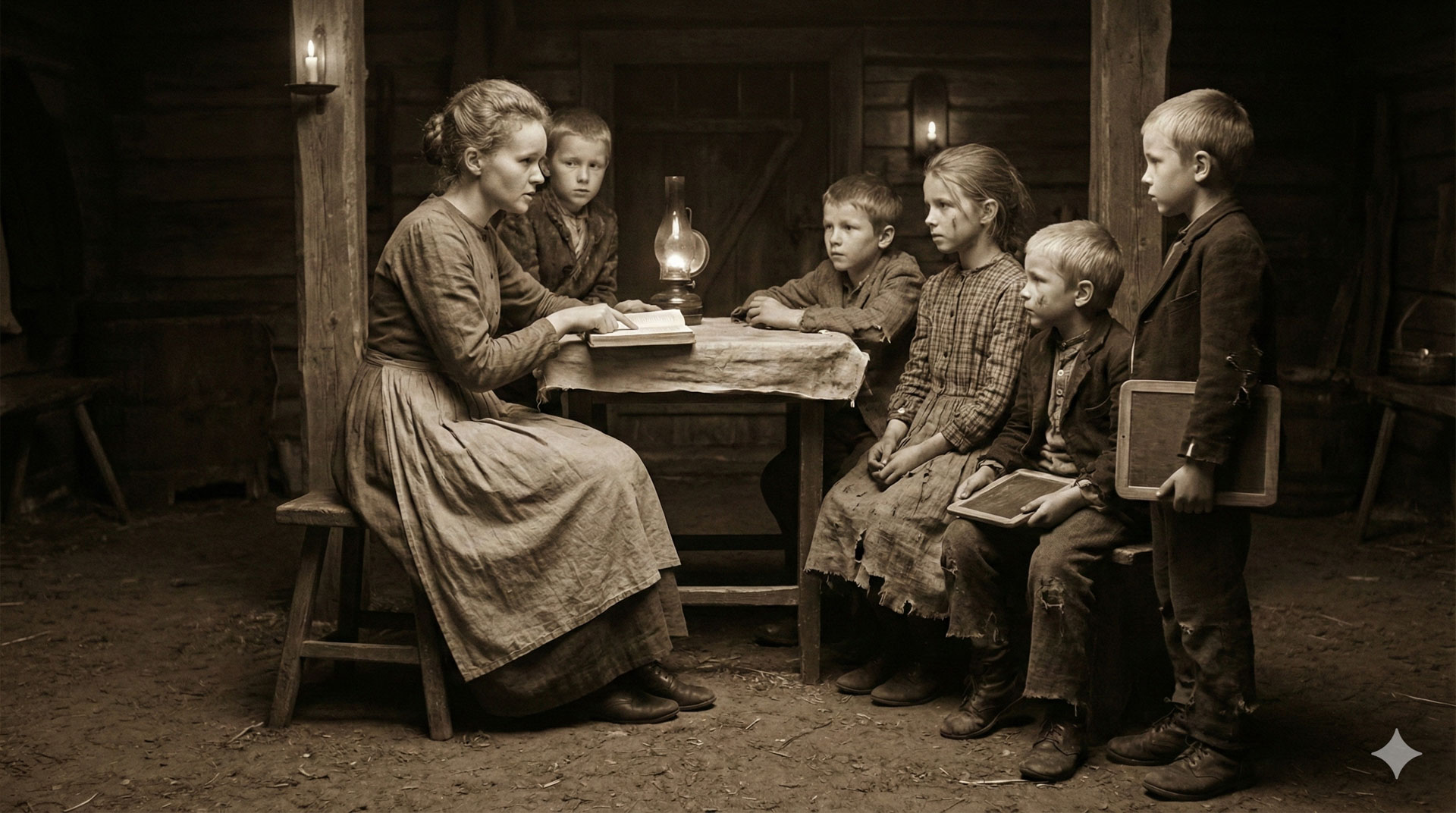
As a governess in Sztuki
What example did Marie set for us when it comes to having a service-oriented attitude?
Have you ever considered getting involved in voluntary work or a non-profit organisation?

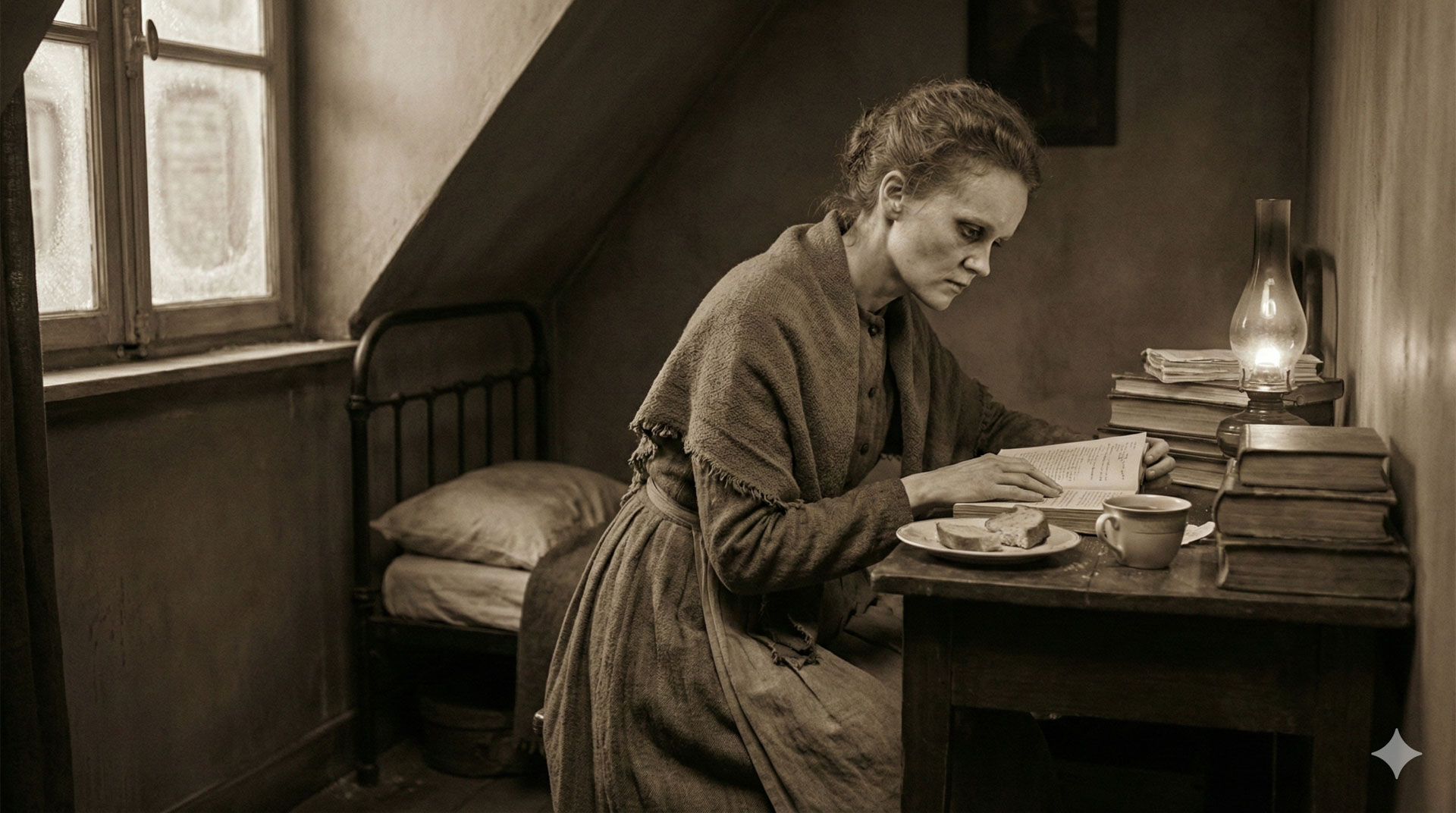
First year at the Sorbonne
Think of something that caught your attention so completely that you couldn’t stop thinking about it or doing it. What was it?
How can staying in the flow state be harmful, and what can one do to maintain balance?

Meeting Pierre
Do you believe in love at first sight? Is love more powerful than reason?
What makes relationships stronger: complementing each other or having a lot in common?

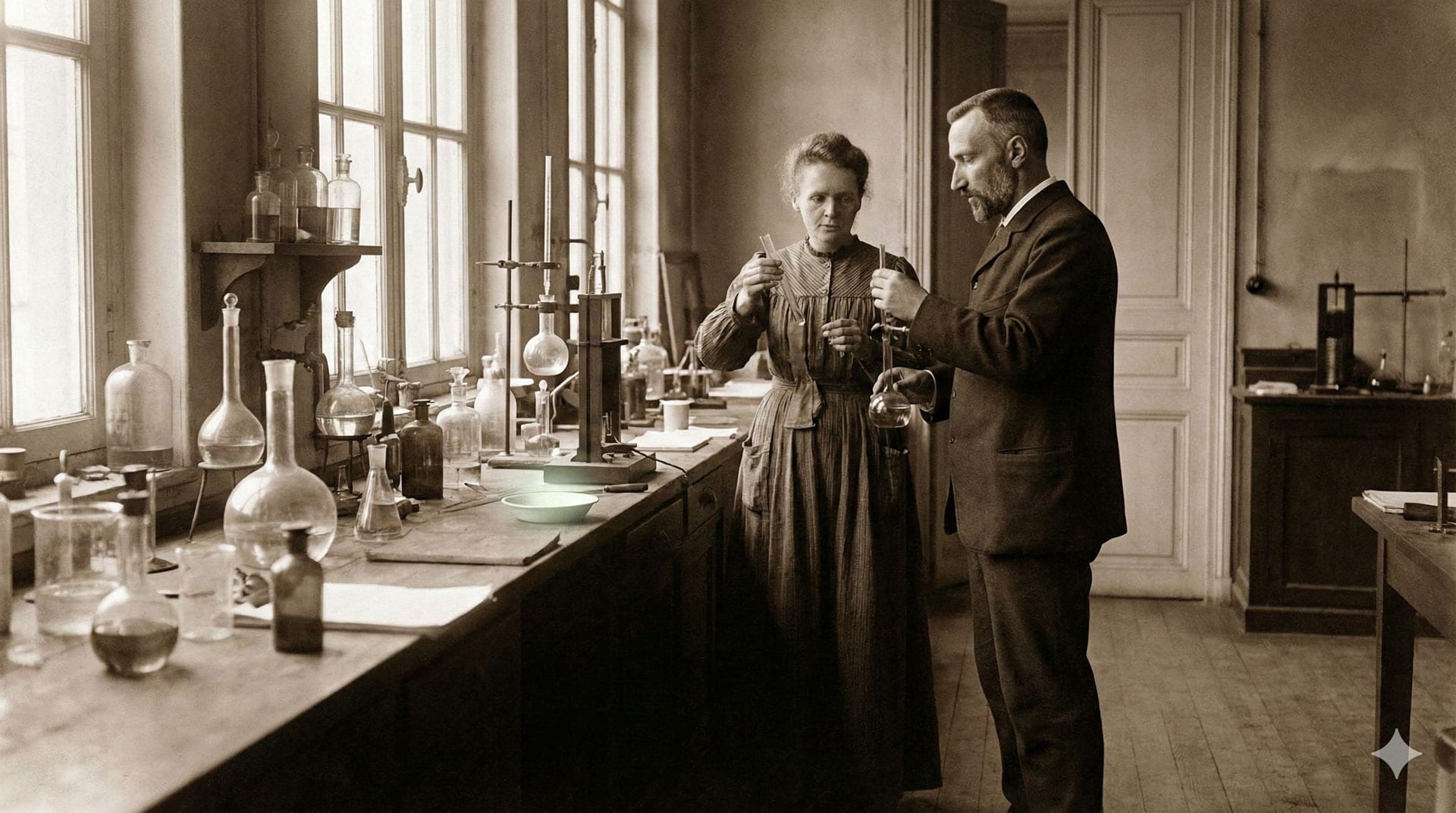
Working together
What challenges lie in working closely with your partner?
How important is it for you to take credit for the work you have done?

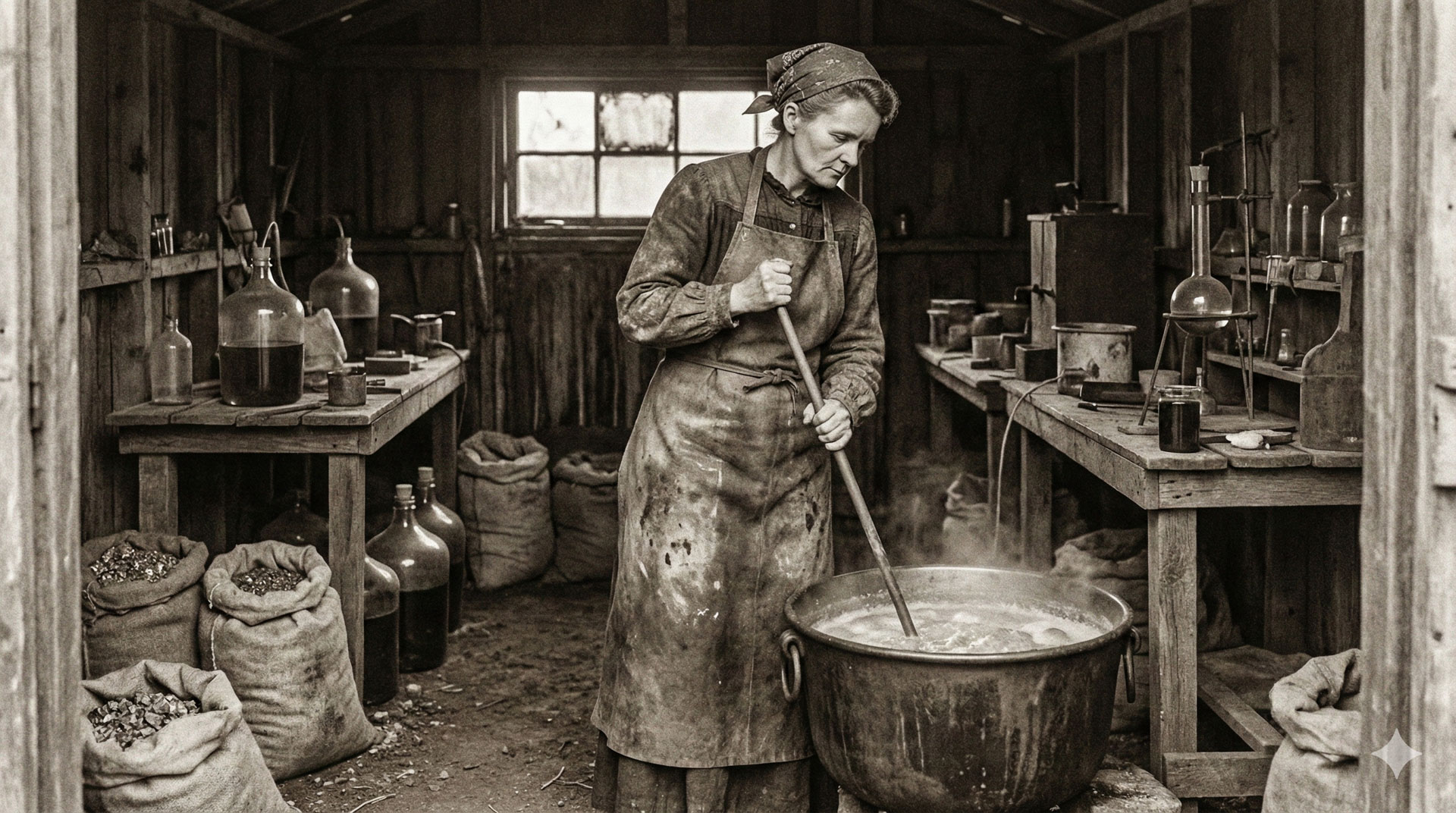
Shabby laboratory
What qualities do you think they needed to develop to persist in their project?
What is more important in achieving success: talent or grit?

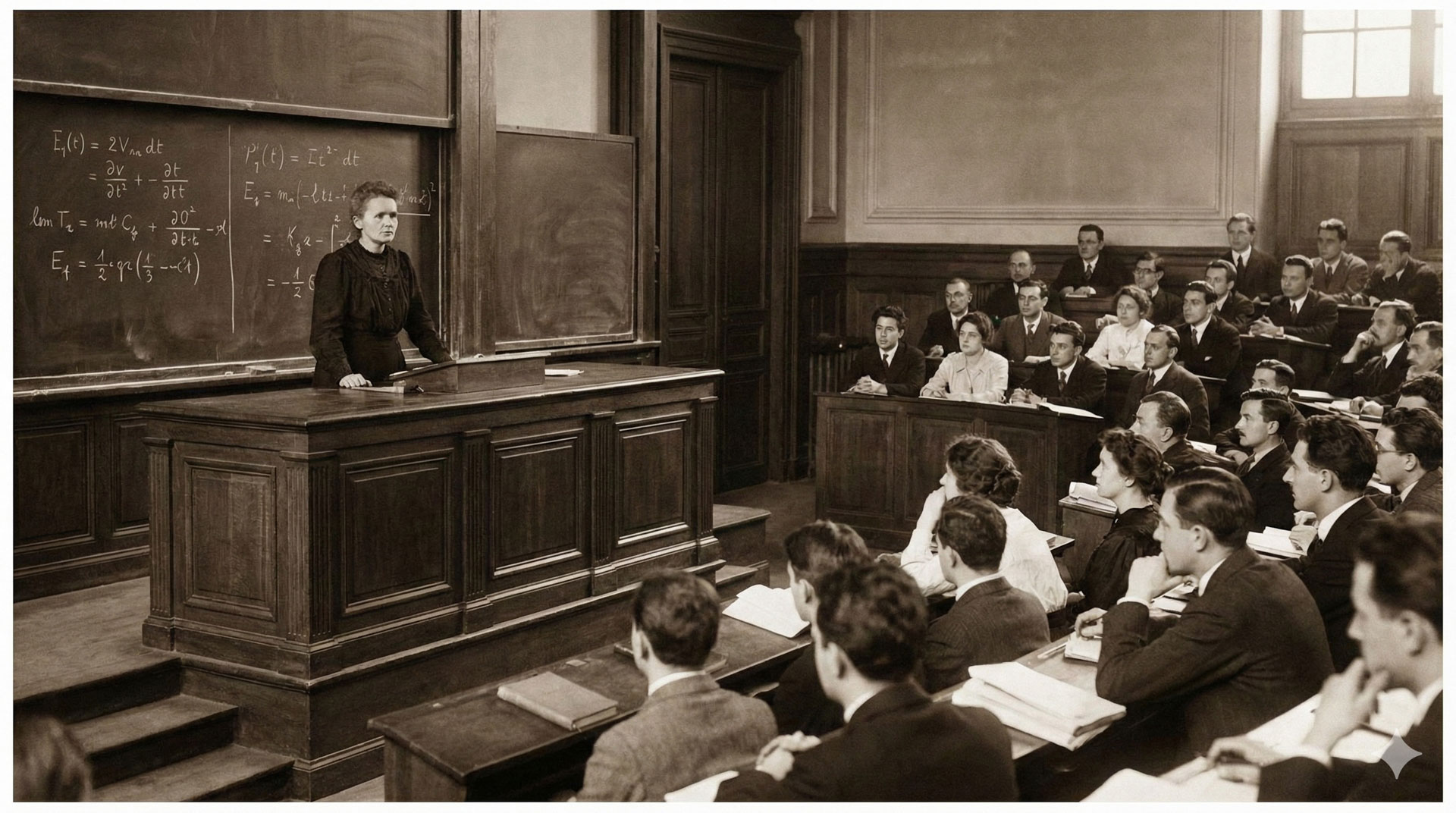
First lecture as a lecturer at Sorbonne
In Marie’s time, it was particularly hard for women to have the same influence as men. Have things changed?
Why do you think it is so difficult for us to put merit above status?

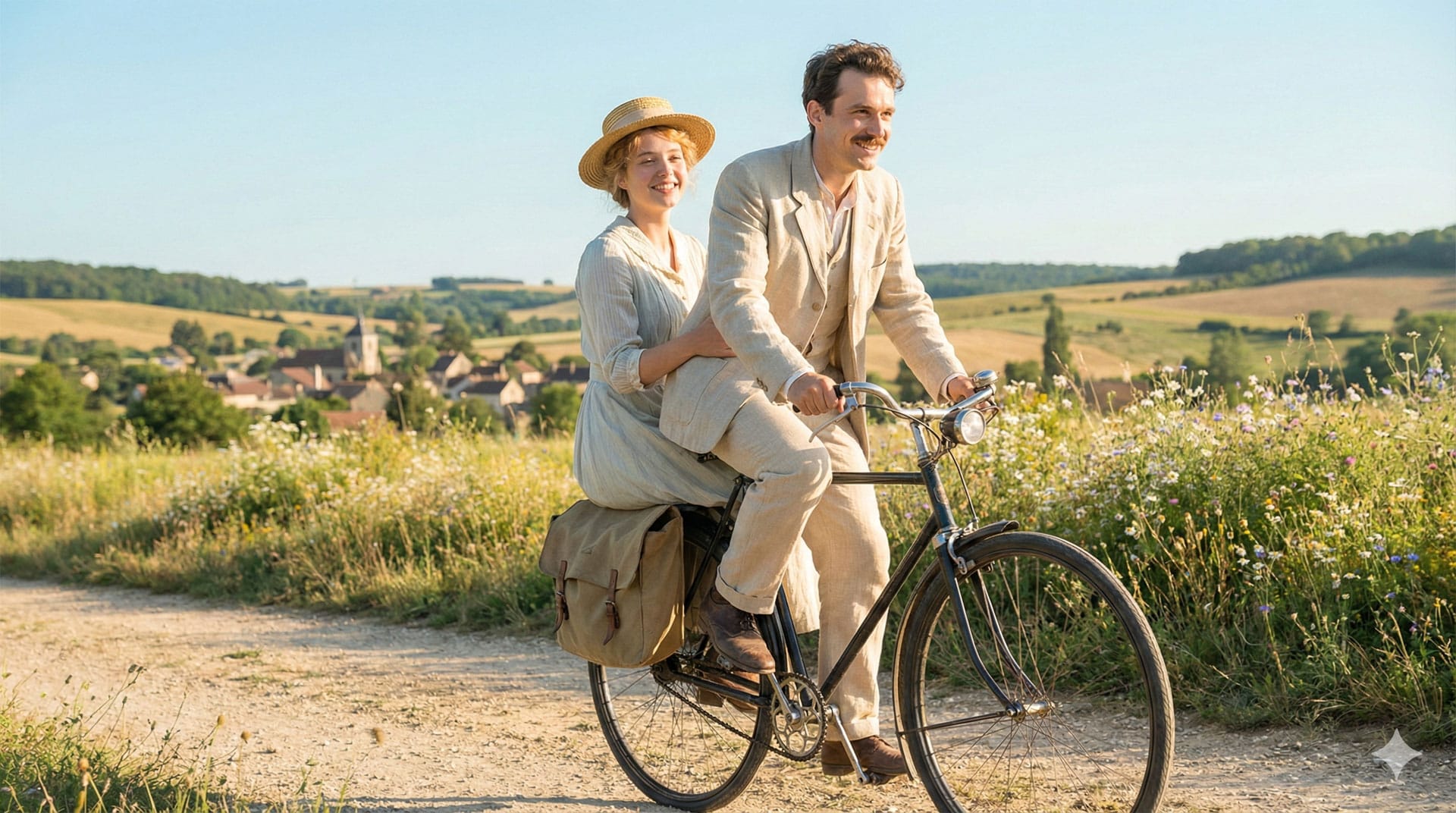
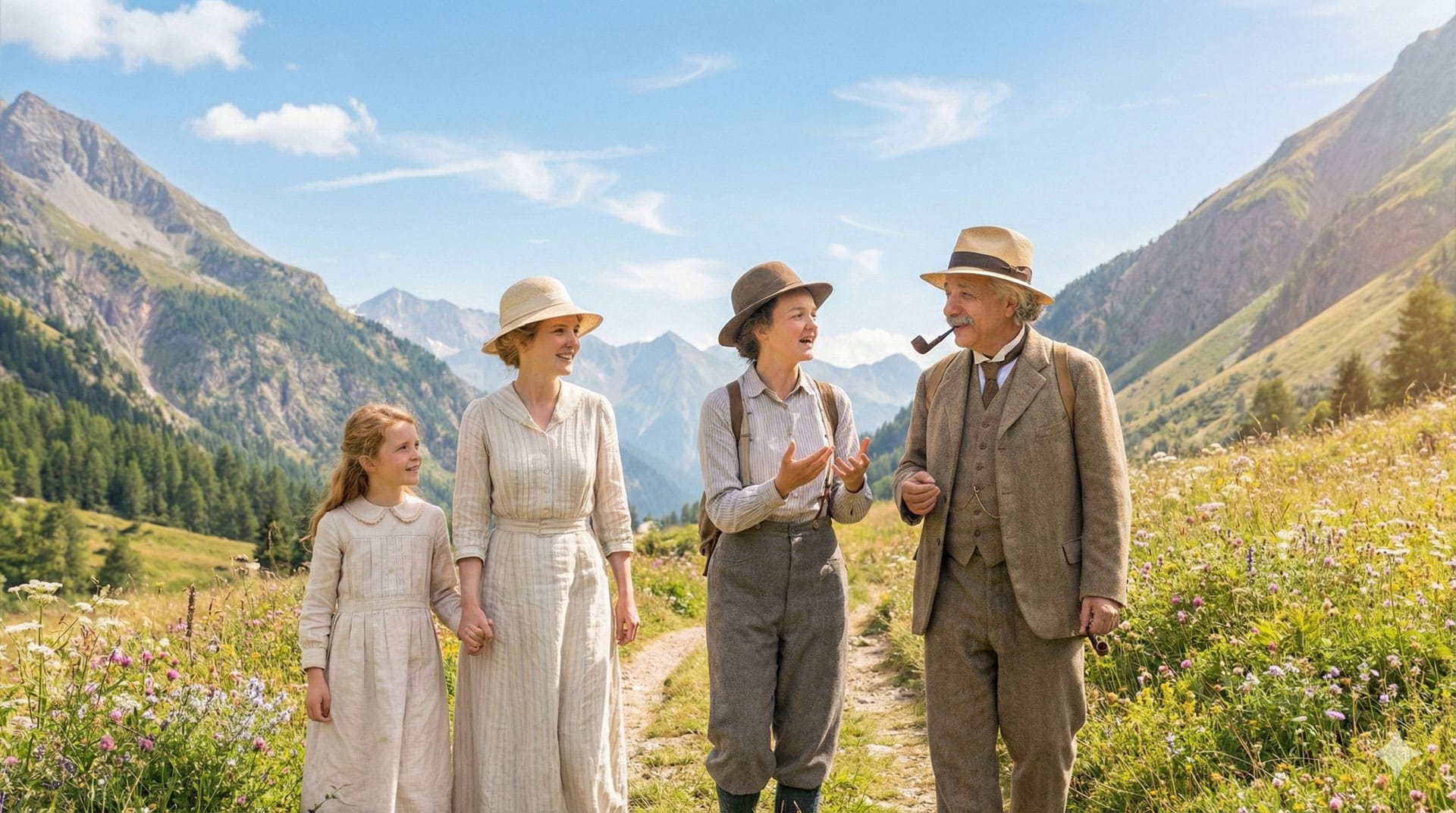
Hiking with Einstein
What effect can meeting or learning about famous or great people have on young people?
Did you look up to anybody when you were younger?

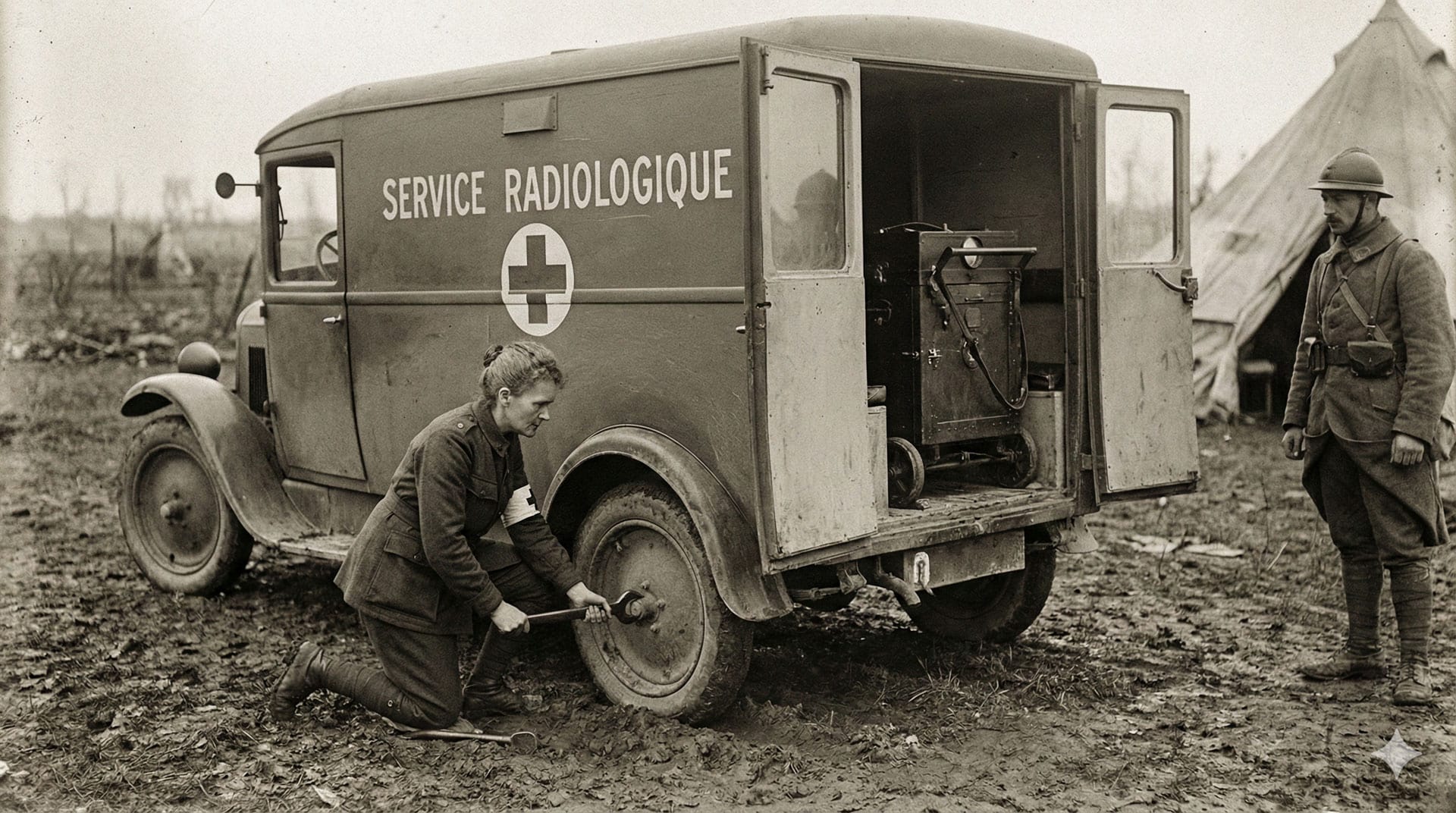
LITTLE CURIES
What prompts people to sacrifice so much in times of hardship or adversity?
What does it teach us?
How can we prepare ourselves in the time of peace and abundance to better handle difficult times?

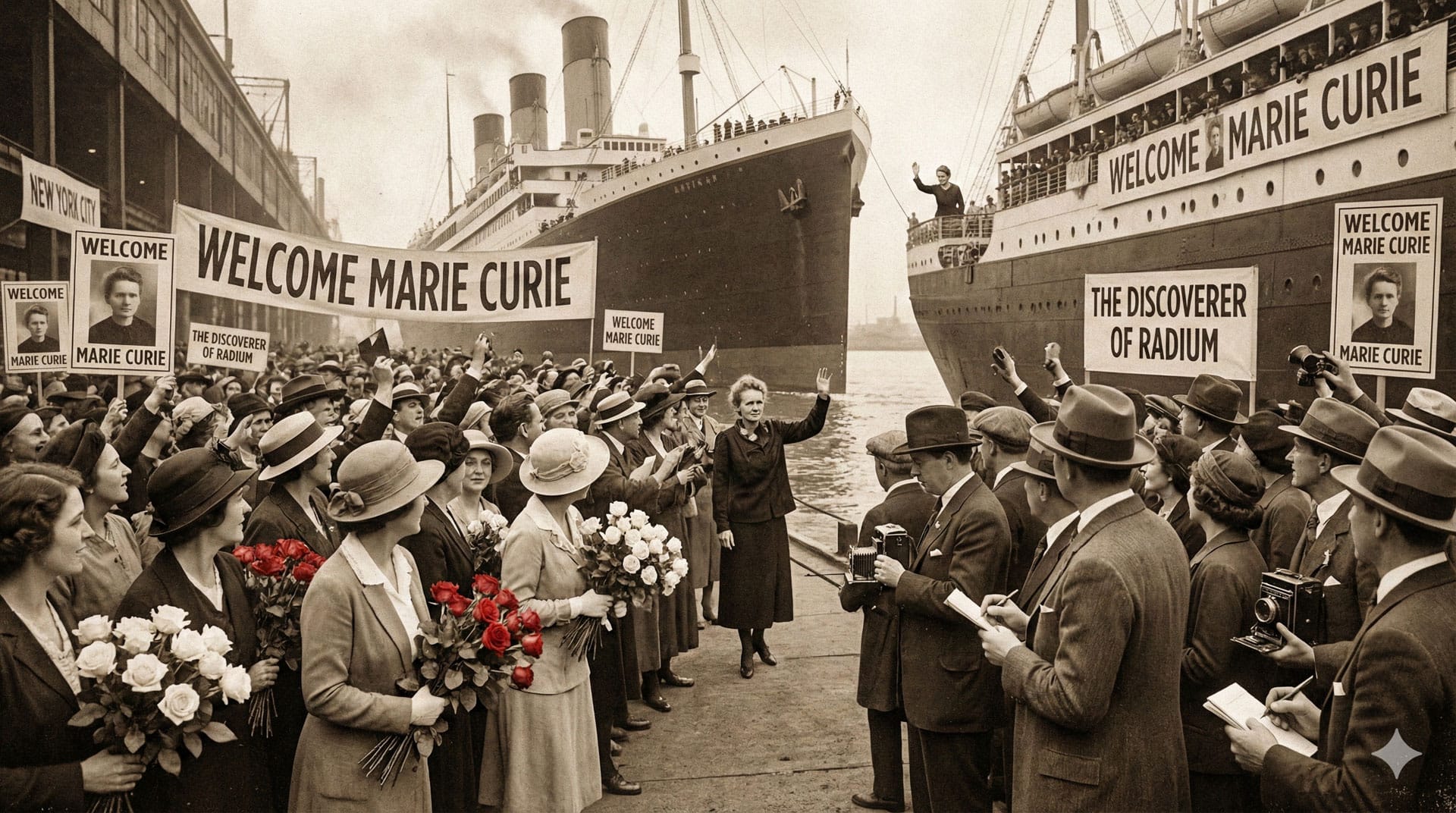
Visiting America
How should one handle fame? Why do so many people fail to maintain balance when they become famous?
Curies believed in being less curious about people and more curious about ideas. Do you subscribe to this idea? Why or why not?

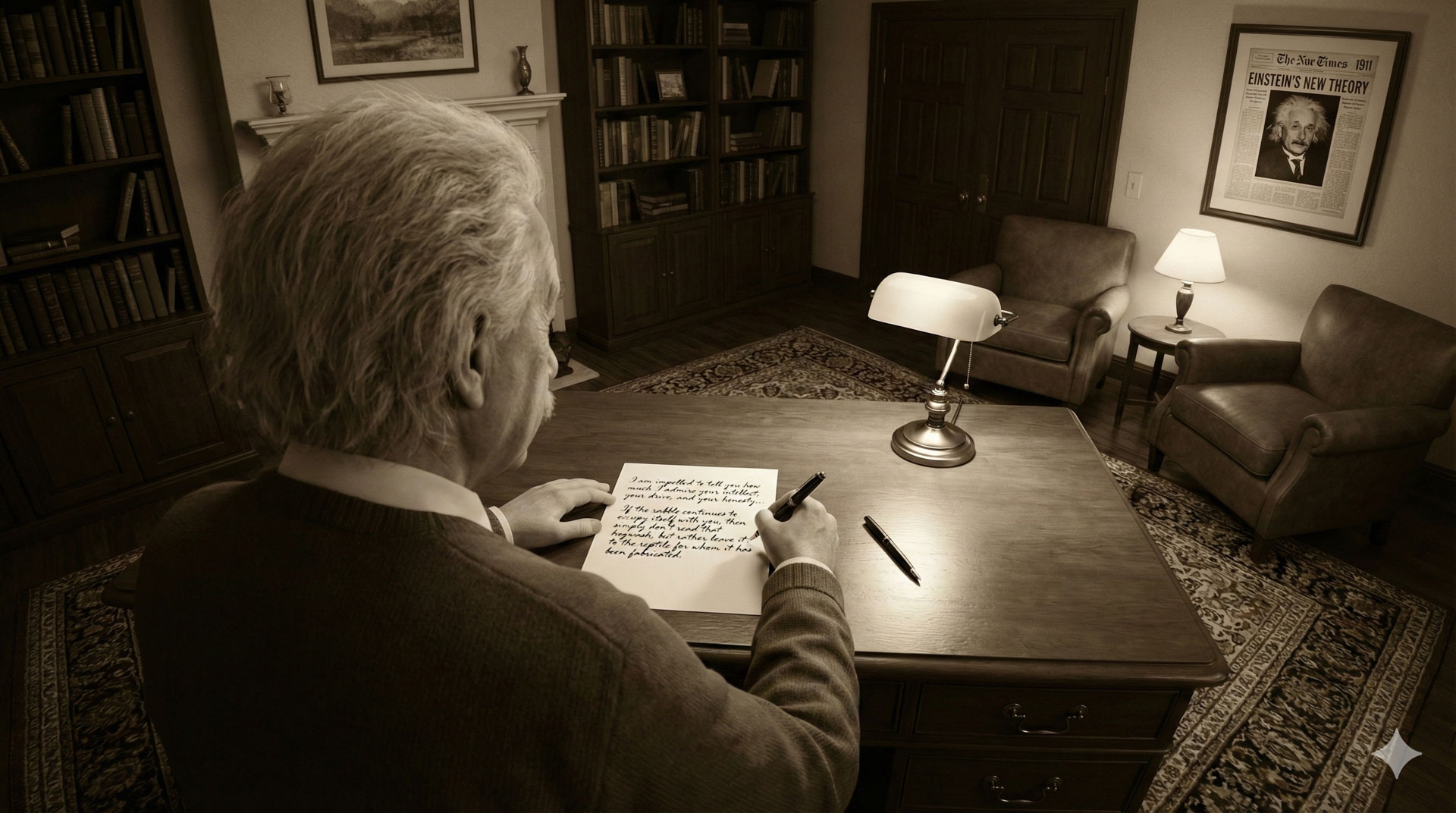
Marie’s affair with Paul Langevin
Why are people so quick to judge others, even if they don’t know all the facts?
What does it mean to think critically? How important is it to know how to think critically these days?

Enjoyable summers at L’Arcouest “Sorbonne Plage”
What’s the value of making sure you get enough rest and relaxation?
Do you agree that people have a problem with resting these days?
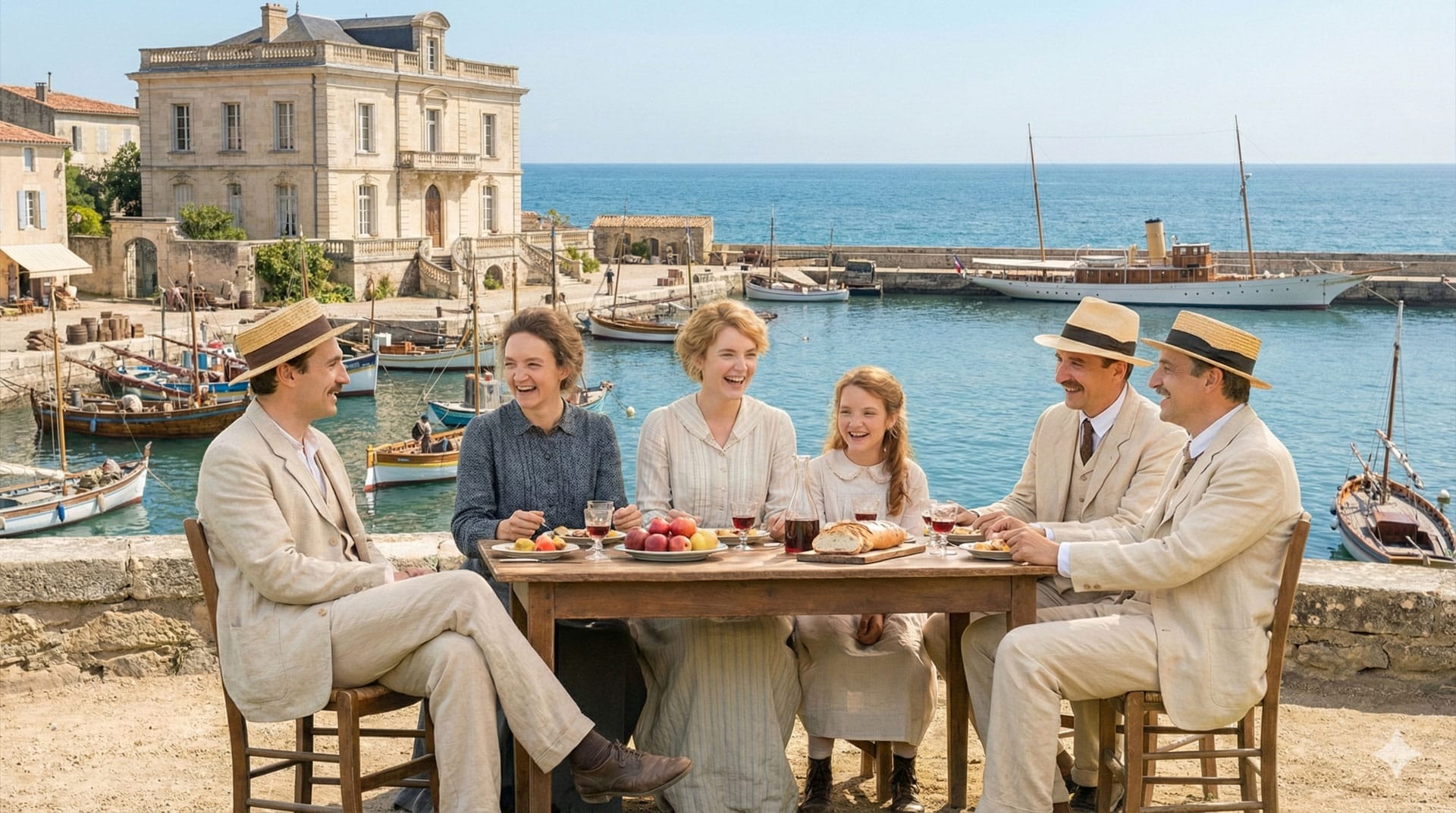

The Laboratory Director
How do you feel about passing on the knowledge and experience you have accumulated to the new generation?
Is it important to you that someone will continue the work you are doing?
part two
What a great woman!
Read or role play this dialogue.
Alita:
You know, the more I read about Marie Curie, the more I feel… quietly impressed. Not in a dramatic way, but in this deep, steady way.
Pete:
Same here. What gets me is how much she endured without turning bitter. Losing her mother so young, growing up under Russian rule in Poland — that alone could have broken someone.
Alita:
Exactly. And yet, instead of giving up, she worked as a governess to support her sister’s education. That sense of duty really stands out to me. She postponed her own dreams so someone else could move forward.
Pete:
That’s true. For me, though, the moment that really defines her is when she arrived in Paris and started studying at the Sorbonne. Imagine being poor, often hungry, struggling with the language — and still staying completely focused on learning.
Alita:
Yes, and she didn’t just study. She threw herself into her work so deeply that she sometimes forgot about her own health. It’s inspiring, but also a little worrying, don’t you think?
Pete:
Definitely. It shows passion, but also the cost of it. Another thing I admire is how she worked with Pierre. Their partnership feels very balanced — no competition, no ego, just shared purpose.
Alita:
And after Pierre’s death, she didn’t retreat into the background. Giving her first lecture at the Sorbonne as a woman must have taken incredible courage. I can’t imagine the pressure.
Pete:
What amazes me is that even fame didn’t seem to change her. When she visited America and became a global celebrity, she still believed science should focus on ideas, not people.
Alita:
Yes — and yet she also knew how to rest. Those summers in L’Arcouest, walking, swimming, spending time with other scientists… that side of her feels very human to me.
Pete:
So, in a way, she mastered both extremes: total dedication and quiet withdrawal. That balance might be her greatest lesson.
Alita:
I agree. Her life shows that greatness isn’t about one heroic moment — it’s about a series of choices, made consistently, even when no one is watching.
Pete:
And maybe that’s why her story still resonates. It doesn’t feel unreachable. It feels… demanding, but possible.
OVER TO YOU
Discuss these questions.
 | Scientific progress often comes at a personal cost. What kinds of sacrifices do you think scientists and innovators are most likely to make, and do you believe these sacrifices are always justified? |
| Many of the technologies we rely on today exist because of long, uncertain research. Why do you think society sometimes takes scientific progress for granted? |
| In popular culture, celebrities often receive more attention than scientists. What does this say about the values of modern society, and should this balance change? |
| Some discoveries bring great benefits but also create new ethical challenges. How should scientists, governments, and the public share responsibility for the consequences of scientific progress? |
| Curiosity and the desire to understand the world have driven human progress for centuries. Do you think curiosity is still valued today, or has it been replaced by the search for quick results and recognition? |
COMMENTS
Which story from Marie’s life touched you the most?
Share your composition here.
0 Comments