FUNCTIONS:

Agreeing

Disagreeing

Hesitating

Introducing your opinion

Asking for opinions

Expressing preferences

Asking for clarification

Expressing likelihood

Speculating, guessing

Advice and recommendations

Describing a picture

Agreeing

I think you’re right

I would go along with the idea

I completely agree with you

That makes perfect sense

You have a point there

Absolutely, that’s spot on!

I couldn’t agree more

Disagreeing

That’s not how I see it

I couldn’t agree less

You must be kidding

That’s a ridiculous idea, don’t you think?

With all due respect, I must disagree

I’m afraid I can’t see it that way

No way, that’s nonsense!

Hesitating

I’m in two minds about it

I have some reservations regarding that

I’m not entirely convinced

There’s something that gives me pause

While I’m not entirely opposed, I do have some doubts

Introducing your opinion

To my mind

I reckon

In my opinion

As I see it

It seems to me

I would argue

From my point of view

Asking for opinions

Don’t you think …?

What’s your attitude to …?

What’s your opinion of …?

Are you in favour of …?

What’s your position as regards …?

You don’t support …, do you?

Expressing preferences

I prefer…

I would rather…

My preference would be…

I tend to favour…

If I had to choose, I would…

I lean towards…

I am inclined to…

I’m a big fan of…

I really enjoy…

I’m into…

I absolutely love…

I’m crazy about…

I’m fond of…

It’s right up my alley

It’s my thing

I can’t get enough of…

It appeals to me

It’s growing on me

I wouldn’t miss it for the world

I’m not a big fan of…

I don’t really enjoy…

I’m not into…

I can’t stand…

I’m not fond of…

It’s not my cup of tea

It doesn’t do anything for me

I’m sick of…

It gets on my nerves

It puts me off

I’d rather not…

It leaves me cold…

Asking for clarification

Could you please elaborate on that?

Would you mind explaining that further?

I’m not quite sure I understand. Could you clarify?

Could you provide more details?

Can you expand on that point?

Expressing likelihood

“It’s a foregone conclusion that…”

“There’s no doubt in my mind that…”

“I am almost certain that…”

“It’s highly likely that…”

“Chances are that…”

“I wouldn’t be surprised if…”

“It’s possible that…”

“There’s a chance that…”

“It’s unlikely that…”

“I doubt that…”

Speculating, guessing

“It seems to me that…”

“My gut feeling is that…”

“From what I gather…”

“If I were to guess…”

“It would appear that…”

“I reckon that…”

“I suspect that…”

“In all likelihood…”

“There’s a distinct possibility that…”

“It’s plausible that…”

Advice and recommendations

“You might want to consider…”

“Perhaps you could try…”

“If I were you, I would…”

“One thing you could do is…”

“Have you thought of…”

“May I suggest…”

“It might be beneficial to…”

“Consider this approach…”

“Why not give this a go…”

“If it were up to me, I’d…”

Describing a picture

“In the foreground…”

“In the background…”

“In the center of the image…”

“On the left side of the picture…”

“On the right side of the picture…”

“At the top of the picture…”

“At the bottom of the picture…”

“The picture depicts…”

“The image illustrates…”

“The photograph shows…”

“One can see…”

“Notice how…”

“This scene captures…”

“This photograph highlights…”

DICTIONARY

Add new and interesting words from this lesson to your English dictionary.

Store your words and expressions in this handy dictionary. You can create groups and play games based on your entries. There is also a practical importing feature.

You must log in to see content.

Sorry, but lessons on The Blue Tree work only on a computer or a tablet.

Bardzo mi przykro, ale lekcje na platformie The Blue Tree działają jedynie na komputerze lub tablecie.

Do zobaczenia na większym ekranie 🙂

Zespół The Blue Tree

Body language in presentations
Learn more words

THE BLUE TREE

Better
Communicator

CEF B1

CEFR C1

Advanced

warm up

Answer the questions below. Then listen to the model answers and think about how you could improve yours.

Do you pay attention to speaker’s body language?
TRANSCRIPT

Yes, I definitely pay attention to a speaker’s body language. It gives me a sense of how confident or passionate they are about what they’re saying. Even if their words are great, if their body language is closed off or they seem nervous, it’s hard to stay fully engaged. I think body language is a big part of the overall message.

How important is presenter’s body language during a presentation?
TRANSCRIPT

A presenter’s body language is extremely important during a presentation. It can either enhance the message or distract the audience. Good body language shows confidence and keeps the audience interested. Things like open gestures, eye contact, and standing tall can make a big difference in how the message is received. It also helps to build trust with the audience.

How do you approach this topic during your presentations?
TRANSCRIPT

When I’m giving a presentation, I try to focus on my posture and making natural gestures that align with what I’m saying. I also make sure to maintain eye contact with different parts of the audience. For me, it’s about staying aware of how I’m presenting myself so I come across as approachable but also confident. If my body language is off, I think it could undermine the whole presentation.

part one

KEY LANGUAGE

Go through the flashcards below. Make sure you understand all the words and expressions.

VIDEO

Watch the first part of the video.

COMPREHENSION

Answer these questions. Refer to the information from the video.

  • What are Deborah’s credentials as regards the topic of presentations?
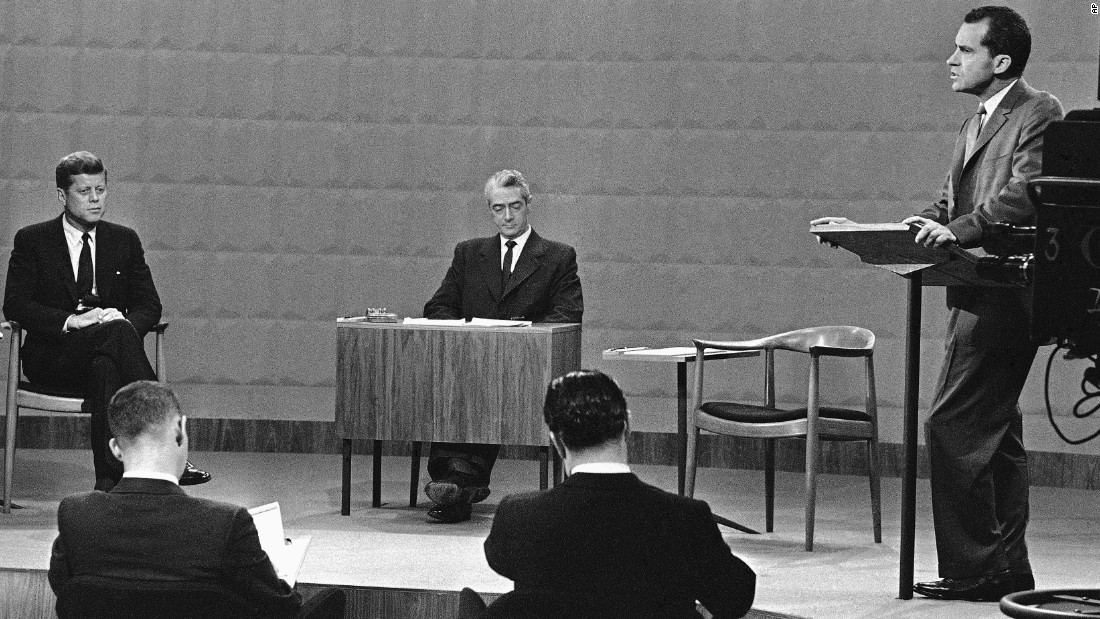
  • How did the first televised presidential debate illustrate the importance of body language?
  • Do you think body language carries so much weight that it may sway voters one way or the other?
  • What does Deborah say about the effect our body language can have on the audience?
  • Do you support her opinion that the audience mimics the body language of the speaker?

part two

KEY LANGUAGE

Go through the flashcards below. Make sure you understand all the words and expressions.

VIDEO

Watch the second part of the video.

COMPREHENSION

Answer these questions. Refer to the information from the video.

  • What are the five areas of body language?
  • What advice does Deborah offer as regards posture?
  • Which of these tips would you like to practise next time you present?

part three

KEY LANGUAGE

Go through the flashcards below. Make sure you understand all the words and expressions.

VIDEO

Watch the third part of the video.

COMPREHENSION

Answer these questions. Refer to the information from the video.

  • What are some of the dos and don’ts of body movement and gestures?
  • Deborah repeats the word ‘purposeful’ a lot. What does she mean by it?
  • Which of these suggestions you would like to incorporate in your own public speaking?

part four

KEY LANGUAGE

Go through the flashcards below. Make sure you understand all the words and expressions.

VIDEO

Watch the fourth part of the video.

COMPREHENSION

Answer these questions. Refer to the information from the video.

  • What is good eye-contact about?
  • What’s your own experience as regards keeping eye contact with the audience?
  • What is the most important facial expression?
  • How should we dress for a presentation?

POLL

Take part in the survey.

Coming Soon
Which of these body language factors has the biggest impact during a presentation?
Total Votes : 2

lesson glossary

Body language in presentations

COMMENTS

Share your views and experience here.

0 Comments

Submit a Comment

THE END OF THE LESSON

Świetnie! Lekcja ukończona!

Pamiętaj, żeby dodać lekcję do zrobionych.

W ten sposób zapiszesz lekcję w swojej historii nauki. Możesz ją sprawdzić z poziomu swojego profilu.

[wp_customcalendar_single]