




Bardzo mi przykro, ale lekcje na platformie The Blue Tree działają jedynie na komputerze lub tablecie.
Do zobaczenia na większym ekranie 🙂
Zespół The Blue Tree
back to HOME > Learning English > Everyday English >

THE BLUE TREE
Everyday English

CEFR B1
Intermediate


warm up
Answer the questions below. Listen to some model answers. Read the transcript or report what you heard.
| Do you find it easy to change your opinions on anything? |
TRANSCRIPT
Changing my opinions definitely feels easier on some topics than others. I find it quite natural to update my views on things like film recommendations or travel destinations — they’re low stakes. But when it comes to values or beliefs I’ve held for years, the process feels much slower and more uncomfortable. I think that’s normal. Real change in perspective usually needs a meaningful experience or a genuinely compelling argument to get started.
| What influences your opinions the most: personal experience, word-of-mouth, or something else? |
TRANSCRIPT
For me, personal experience is by far the strongest influence. When I’ve actually lived through something — managing a project, dealing with a difficult situation at work — my view of it is much harder to shake than if I’d simply read about it. That said, I’ve noticed that trusted people in my life can gradually shift my thinking too, especially when their experience clearly differs from mine.
| Many people today mistake an opinion for a fact. Why is that, in your opinion? |
TRANSCRIPT
I think part of the reason is that we’re constantly surrounded by confident voices — on social media, in the news, in everyday conversation — that present opinions as settled truths. When something is repeated often enough and with enough certainty, it starts to feel factual. There’s also a deeper issue: distinguishing opinion from fact requires a certain amount of critical thinking, and that skill isn’t really something most people are taught systematically.

POLL
Complete this survey by expressing your opinion.
There are always three options:
➡️ when you agree
➡️ when you are not sure
➡️ when you disagree.
Pay special attention to the language used to express these three functions.

1. All modern architecture is absolutely awful.
A. I couldn’t agree more.
B. I’m afraid I can’t agree with that idea.
C. I agree up to a point.
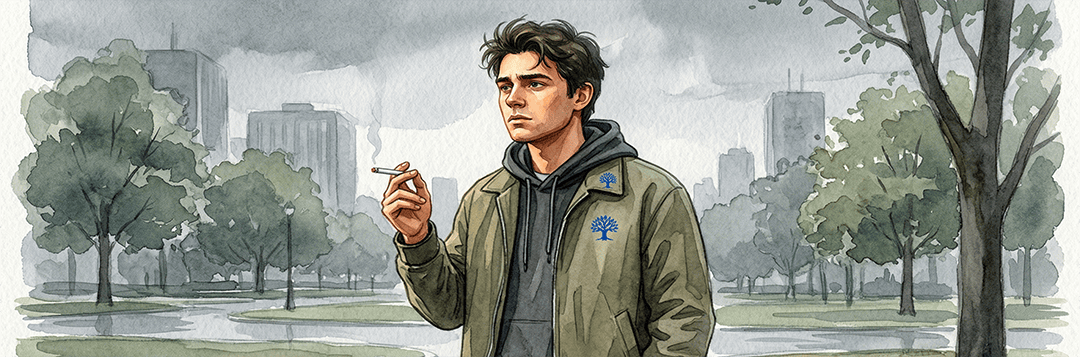
2. Smoking should be banned from all public places.
A. I quite agree.
B. I couldn’t agree less.
C. I think that’s going a bit too far.
3. Computers cause unemployment.
A. That’s exactly how I feel.
B. Nonsense. That’s not true at all.
C. You could be right, but…
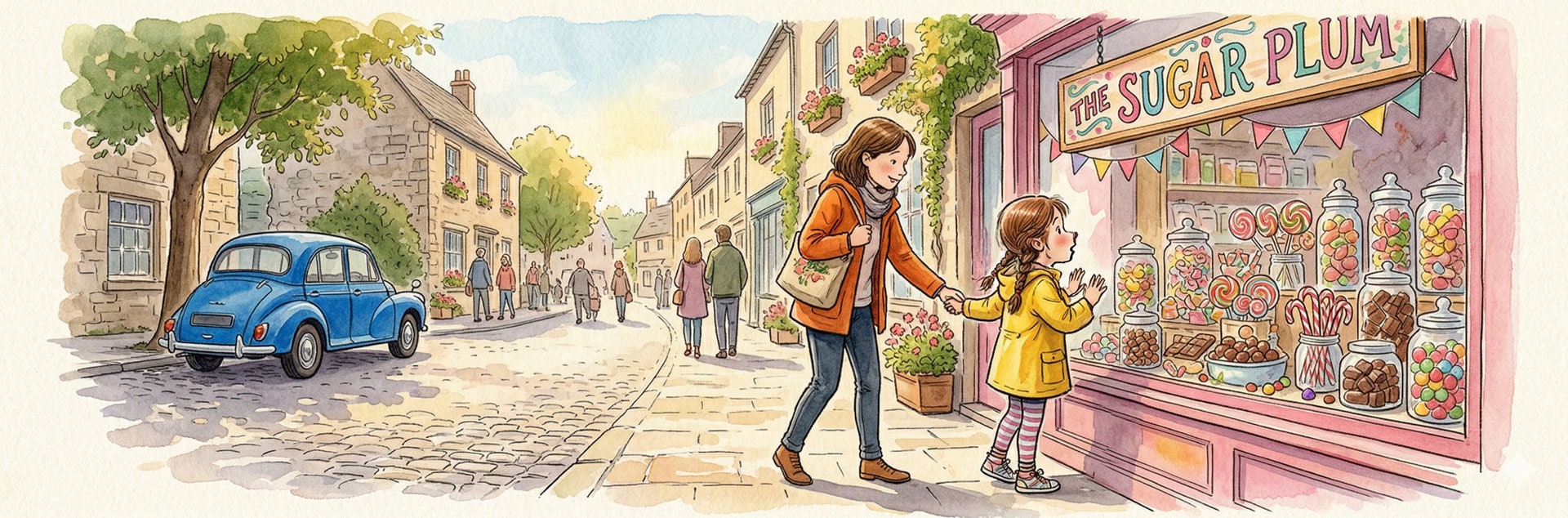
4. Everyone knows that sweets are bad for your teeth, so they should be taxed much more heavily.
A. Yes, you have a point there.
B. I can’t accept that.
C. I don’t think it’s as simple as that.
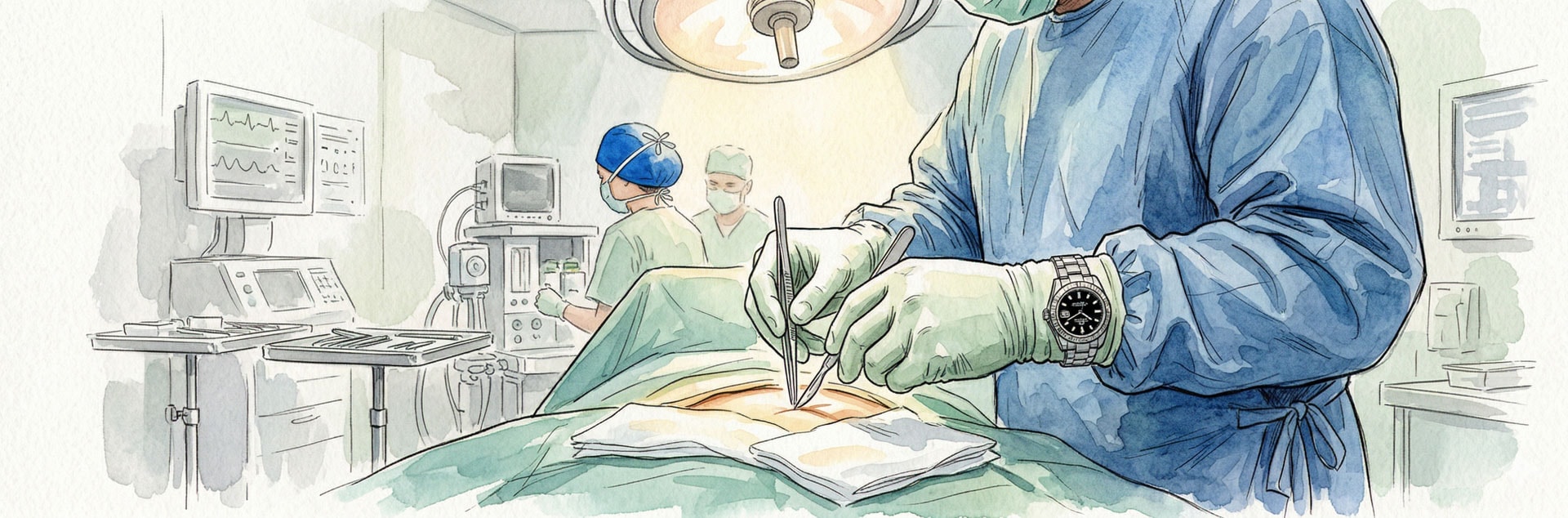
5. Doctors earn far too much money.
A. I’d go along with that.
B. I’m afraid I disagree completely.
C. Possibly, but…

6. It’s a waste of money trying to explore space.
A. Exactly. I couldn’t have put it better myself.
B. In my opinion, that’s out of the question.
C. I agree to some extent.

7. Going and lying on a beach all day is not a real holiday.
A. Basically, I think it’s right.
B. It’s total rubbish!
C. It’s a bit one-sided.
8. We should work or study six days a week.
A. I entirely agree with you.
B. I am afraid that’s not how I see it.
C. On the other hand…

STUDY SECTION

HOW TO AGREE
Learn how to agree. Listen to and read the expressions below.
| I’d go along with that. | |
| Yes, I agree completely | |
| That’s exactly how I feel. | |
| Yes, you have a point there. | |
| I couldn’t agree more. | |
| I entirely agree with you. | |
| Exactly, I couldn’t have put it better myself. | |
| Basically, I think you are right. |

HOW TO EXPRESS RESERVATIONS AND DOUBTS
Learn these phrases. Listen to them and read them aloud.
| Possibly, but … | |
| I agree up to a point. | |
| I agree to some extent | |
| I think that’s going a bit too far. | |
| I don’t think it’s as simple as that. | |
| You could be right, but … |

HOW TO EXPRESS DISAGREEMENT
Now study the language for diagreeing with somebody.
| That’s out of the question | |
| I’m afraid I disagree completely | |
| I’m afraid I can’t agree with that idea. | |
| I am afraid that’s not how I see it. | |
| Nonsense. That’s not true at all. | |
| That’s a ridiculous idea. | |
| I couldn’t agree less. | |
| It’s total rubbish! | |
| I think it misses the point. |

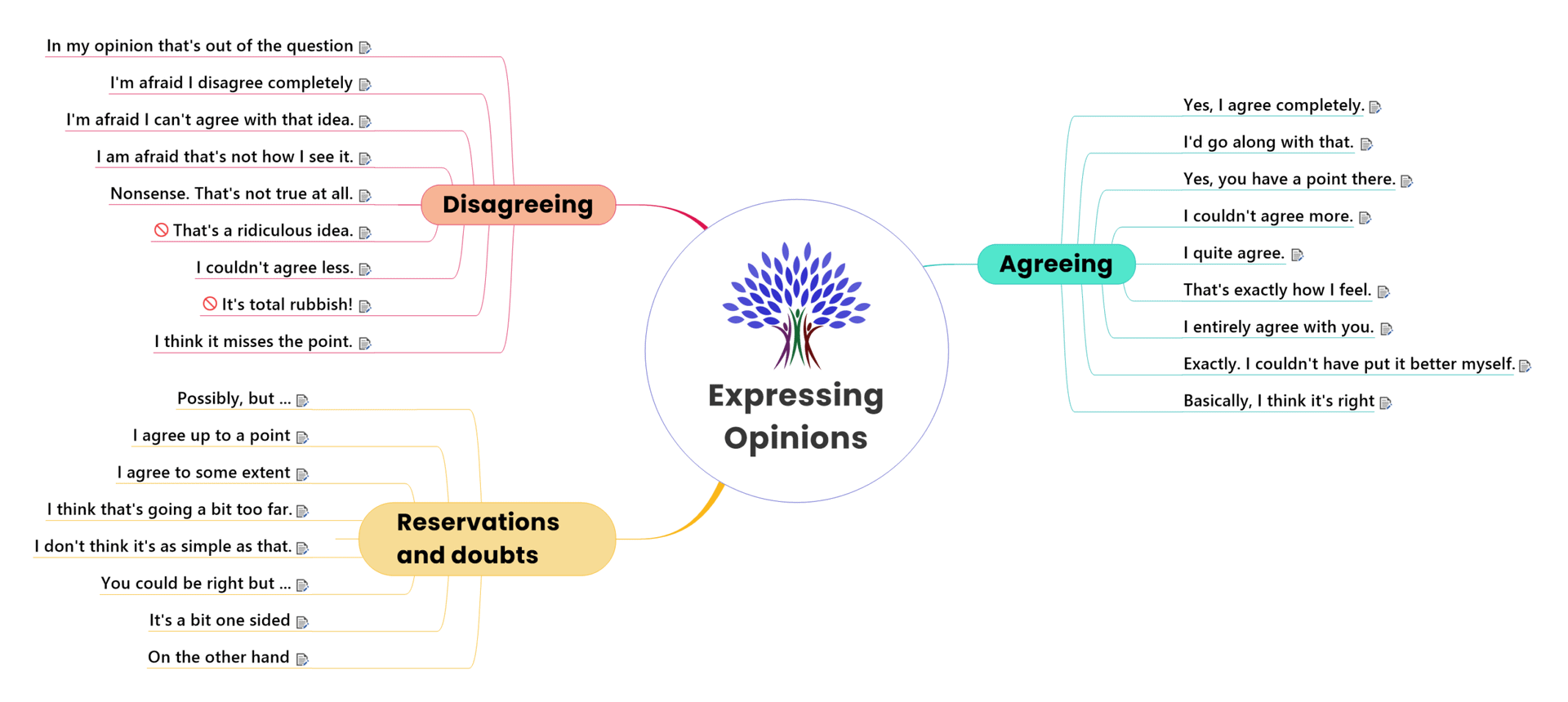
MIND-MAP
Use this mind-map to study these expressions.

PRACTICE
FLASHCARDS
Play this flashcard game. Move the expression of opinion to the correct category.
DELIBERATE PRACTICE
It’s time for some Deliberate Practice! Fill in the sentences in these short dialogues with exactly the same words as presented above.
Score more than 80% and get a beautiful certificate. Remember to download it, as you can win prizes for it. 🎁


PRODUCTION
WHAT’S YOUR OPINION ON …
Deal the cards below and express your opinion using the language from this lesson.
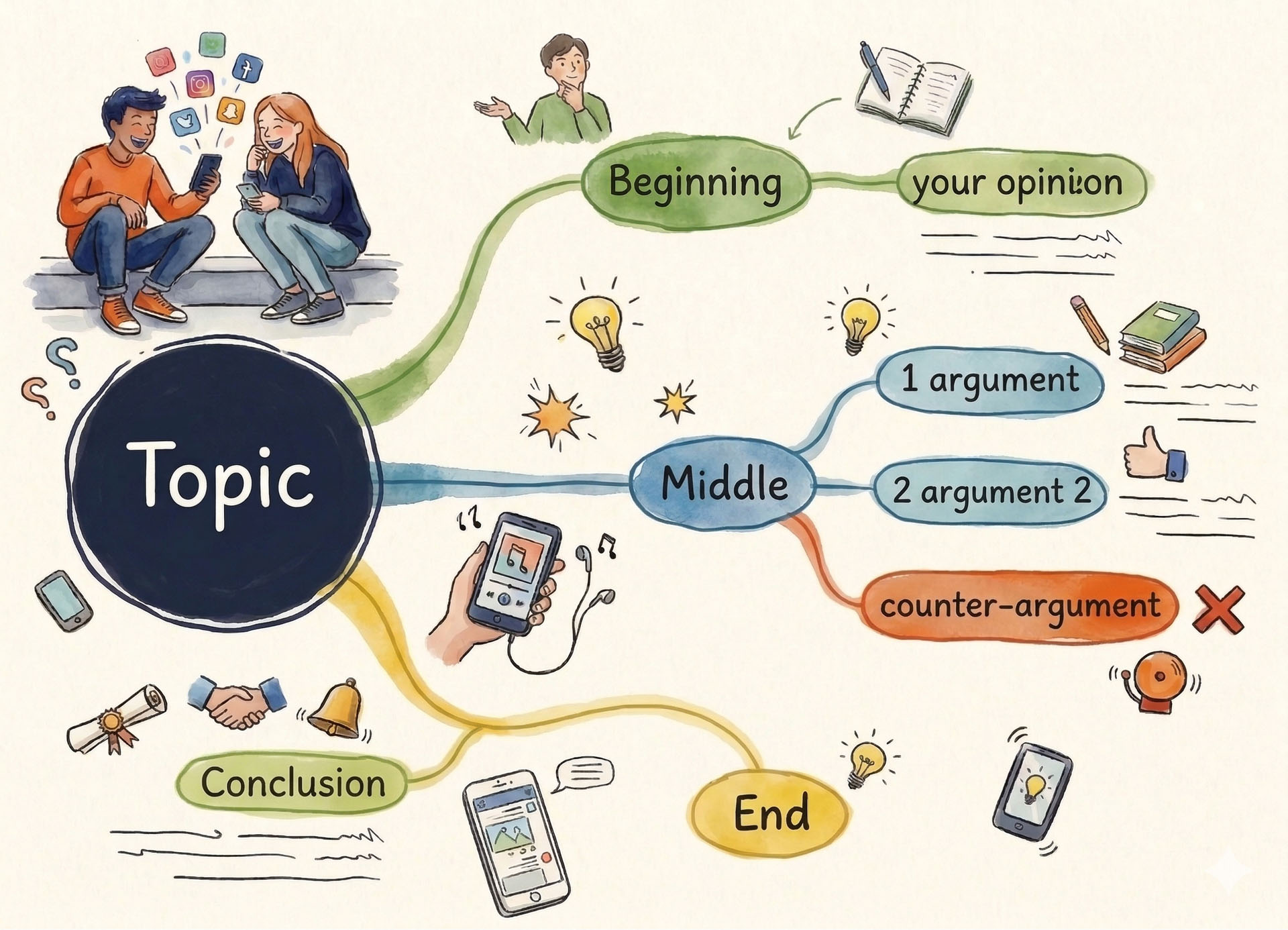
STRUCTURED OPINION
Use the template below to present your opinion on a sample topic from the cards.
COMMENTS
Post your answers to these questions here.
0 Comments