


THE BLUE TREE
Business English

CEFR B1
Intermediate

warm up
Answer the questions below. Listen to some sample answers. Report back what you heard or read the trascript
| Are you good with money? |
TRANSCRIPT
I think I’m quite good with money, but there’s always room for improvement. I try to save a little each month and set goals for bigger things I want to buy. For example, I saved up to buy a new laptop instead of using my credit card. I also try to avoid buying things I don’t really need, though sometimes I give in if I see a big sale. It’s easy to feel like I’m getting a good deal, but then I realize I didn’t need the item after all. I could be better at planning for the future, but overall, I feel proud of how I handle my money.
| What’s the best advice you follow as regards managing personal finances? |
TRANSCRIPT
The best advice I follow for managing my personal finances is to always spend less than I earn. I make sure to pay myself first by putting a bit of money into my savings every month, no matter what. This helps me build a safety net for emergencies. I also try to plan ahead and avoid impulse buying. For example, if I want something expensive, I wait a week to see if I still want it. This advice has really helped me stay on track with my money and feel more secure.
| What has been the most irrational financial decision you have ever made? |
TRANSCRIPT
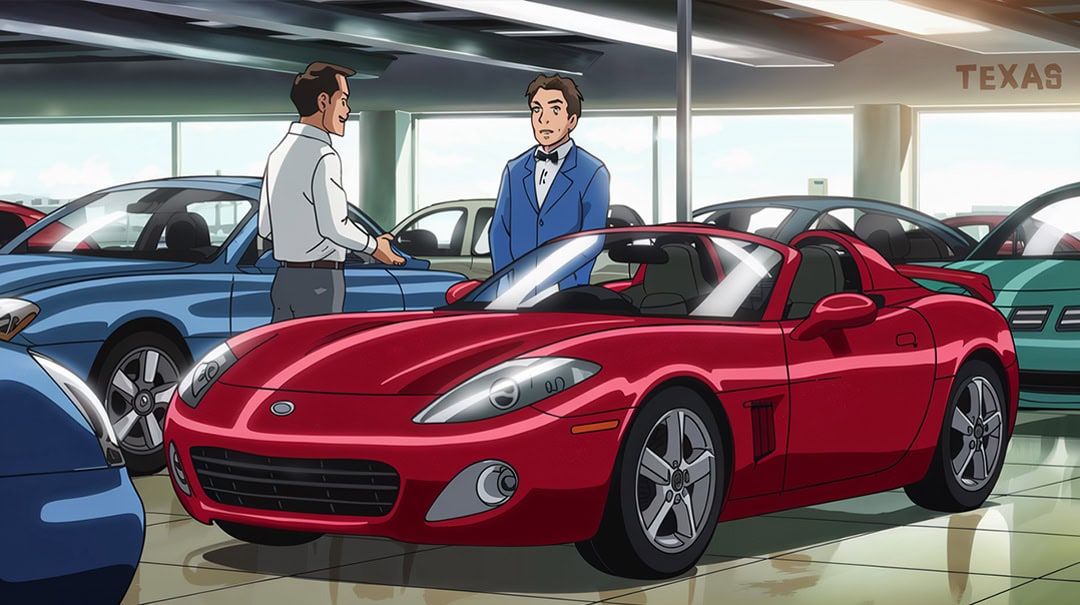
The most irrational financial decision I ever made was buying a used car that looked perfect on paper. It had low mileage, a good price, and even some nice features I really wanted. I didn’t check it properly before buying it, though, and after a few weeks, problems started popping up. The engine had issues, the brakes needed replacing, and it turned out the car had been in a big accident before. I spent so much on repairs that I could have almost bought a new car. I learned my lesson—to never rush into a big purchase without a full check.

part one

KEY LANGUAGE
Go through the flashcards below. Make sure you understand all the words and expressions.

VIDEO
Watch the first part of the video.

COMPREHENSION
Answer these questions. Refer to the information from the video.
- ⌚ 0:23 Who is Penny and what do we know about her attitude to money?
- ⌚ 0:35 What did economists think about the general population for more than a hundred years?
- ⌚ 0:55 Who is Richard Thaler and what is he famous for?
- ⌚ 1:02 What is his field of research called?
- ⌚ 1:20 What did Thaler find out about people, money and emotions?
part two
KEY LANGUAGE
Go through the flashcards below. Make sure you understand all the words and expressions.
VIDEO
Watch the second part of the video.
COMPREHENSION
Answer these questions. Refer to the information from the video.
- ⌚ 1:44 What is the first scenario with the Pokemon card about?
- ⌚ 2:05 What is the second scenario about?
- ⌚ 2:21 Why is this irrational behaviour?
- ⌚ 2:32 How would imaginary Penny approach this problem?
- ⌚ 2:42 What is the endowment effect?
- ⌚ 2:45 When do we experience this effect?
part three
KEY LANGUAGE
Go through the flashcards below. Make sure you understand all the words and expressions.
VIDEO
Watch the third part of the video.
COMPREHENSION
Answer these questions. Refer to the information from the video.
- ⌚ 3:01 Why do they have to sit through a movie they don’t like?
- ⌚ 3:15 Have you ever been in a similar situation with a movie or the pop-corn?
- ⌚ 3:30 What is this fallacy called?
- ⌚ 3:39 What is the Mental Balancesheet about?
- ⌚ 4:07 How do retailers exploit this fallacy?
part four
KEY LANGUAGE
Go through the flashcards below. Make sure you understand all the words and expressions.
VIDEO
Watch the fourth part of the video.
COMPREHENSION
Answer these questions. Refer to the information from the video.
- ⌚ 4:28 Explain the two situations about the headphones and the laptop?
- ⌚ 4:28 Would YOU take the walk?
- ⌚ 4:37 How would many people answer these questions and why is it really one question not two?
- ⌚ 4:45 Which scenario would most people say YES to?
- ⌚ 4:53 What’s the definition of Transaction Utility?
- ⌚ 5:12 Which example illustrates the use of this fallacy in stores?
- ⌚ 5:21 What effect can it have on some shoppers?
- ⌚ 5:31 What is the most important thing to consider in any purchase?
part five
KEY LANGUAGE
Go through the flashcards below. Make sure you understand all the words and expressions.
VIDEO
Watch the fifth part of the video.
COMPREHENSION
Answer these questions. Refer to the information from the video.
- ⌚ 5:36 If you won a 100 pln on a lottery scratcher, what would YOU do with the money?
- ⌚ 5:47 How would most people spend it and what is usually their thinking like?
- ⌚ 5:56 What is Mental Accounting?
- ⌚ 6:09 What rule does Mental Accounting violate?
- ⌚ 6:28 When can Mental accounting be useful?
- ⌚ 6:47 What did the researchers find about people spending money on gas?
- ⌚ 7:07 Why do these fallacies exist?
- ⌚7:15 How can knowing about these fallacies help us?
POLL
Cast your vote in the poll below.
DISCUSSION
SHARING OUR OWN MISTAKES
Alita and Pete are sharing some stories from their lives when they fall prey to these fallacies.
Read (role play) their dialogue.

Alita: So, Pete, what did you think of that video? I thought I was pretty good with money, but now I’m not so sure! Turns out, I’ve made most of those mistakes myself.
Pete: Oh, same here! I always thought I was smart with my cash, but apparently, I’ve been doing mental accounting all my life. I even have a separate “pizza fund,” like somehow pizza money is different from regular money. What about you?
Alita: Oh, I’m definitely guilty of that, too. My “weekend treat” money is somehow totally different from my “bills” money. And don’t even get me started on my “coffee fund.” I need that one like my life depends on it!
Pete: I get it! You know, I’ve also been burned by the sunk cost fallacy. I once sat through an entire 3-hour movie—about cheese-making—just because I’d paid for the ticket. I kept thinking, “It has to get better.” Spoiler alert: it didn’t.
Alita: Oh no! But hey, I’m no better. Last year, I bought this “vintage” lamp at a yard sale. I thought it would be perfect for my living room. I spent hours restoring it, only to realize it looked terrible. Now it just sits in my closet, taking up space. I can’t bring myself to throw it away—I mean, I worked so hard on it!
Pete: Haha, we’re a pair! And don’t even get me started on the endowment effect. Once I own something, it suddenly becomes priceless. Like, I have this old, ratty mug I’ve had since college. If you offered me a hundred dollars for it, I’d still say no. It’s my special mug, even though it leaks sometimes.
Alita: That’s hilarious! You know, I had my own little “endowment effect” moment last month. I accidentally wore my favorite shoes during a rainstorm. They were soaked and ruined, but instead of tossing them, I kept them! They have this, like, emotional value now. They’ll probably never see daylight again, but they’re still in my closet.
Pete: And let’s not forget transaction utility! I bought a whole case of energy drinks once because they were on sale. Do I even like energy drinks? Not really. But they were half off! Now they’re just cluttering my pantry.
Alita: Ha! You’re not alone. Last week, I bought a “buy one get one free” deal on cucumbers. Why do I need two giant bags of cucumbers? I had cucumber in everything for days—cucumber smoothies, cucumber sandwiches, you name it. I think I’m done with cucumbers for a while.
Pete: Oh, we’re hopeless! But at least we know we’re not alone. And maybe, just maybe, we’ll avoid these mistakes next time.
Alita: Here’s hoping! But hey, if I see another “special offer,” all bets are off.
DISCUSSION QUESTIONS
Discuss the questions below. Refer to the information from the video and your own life experience.
- Have you ever spent money on something you didn’t really need? Why did you buy it, and did you regret it later?
- Why do you think people find it hard to let go of things they already own, even if they don’t use them?
- Can you think of a time when you kept spending on something even though it wasn’t worth it? What happened?
- How do you decide when something is a good deal or just a way to spend extra money?
- What advice would you give someone who wants to be better with their money?
LESSON GLOSSARY
Check out the language from this lesson.
FREE PRACTICE
Share a personal story about managing money. It can be about the most rational or irrational purchase or financial decision you have ever made.
Write your answer in the comments below or send it to your teacher.
COMMENTS
Share your views and opinions here.
0 Comments